

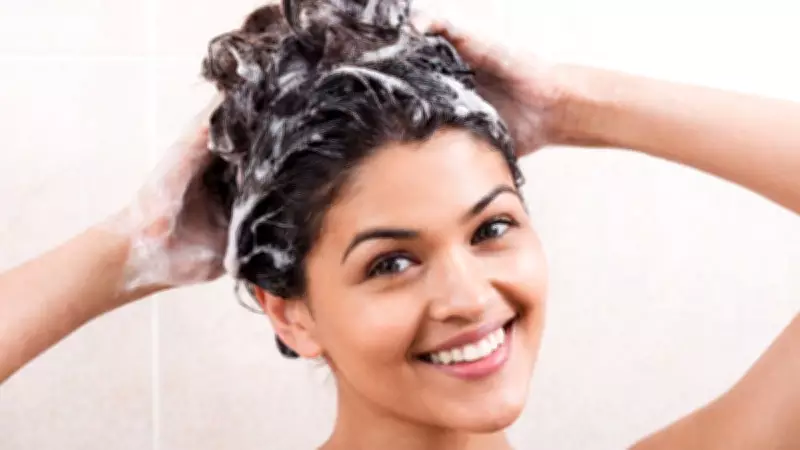
The Hidden Culprit: How Hard Water Damages Your Hair
Hard water, a common issue in many households, is often overlooked as a major cause of hair fall and breakage. This type of water contains high levels of dissolved minerals, primarily calcium and magnesium, which can wreak havoc on your hair's health over time. Understanding the mechanisms behind this damage is crucial for anyone struggling with unexplained hair problems.
What Makes Hard Water So Harmful?
The primary minerals in hard water—calcium and magnesium—create a film on the hair shaft. This mineral buildup prevents moisture from penetrating the hair cuticle, leading to dryness and brittleness. Additionally, these minerals react with the ingredients in shampoos and conditioners, reducing their effectiveness and leaving residues that weigh hair down.
Key Signs Your Hair Is Suffering from Hard Water
- Excessive Hair Fall: Notice more hair than usual in your shower drain or brush.
- Increased Breakage: Hair snaps easily, especially when wet or combed.
- Dull and Lifeless Appearance: Lack of shine and vibrancy despite regular care.
- Difficulty Styling: Hair becomes harder to manage and style effectively.
- Scalp Issues: Dryness, itchiness, or flakiness may develop over time.
Proven Solutions to Combat Hard Water Damage
- Install a Water Softener: A whole-house or showerhead water softener can remove minerals, providing softer water for washing.
- Use Chelating Shampoos: These specialized shampoos contain ingredients like EDTA that bind to minerals and wash them away.
- Apple Cider Vinegar Rinse: A diluted rinse helps dissolve mineral buildup and restore hair's natural pH balance.
- Filtered Shower Heads: Affordable attachments can filter out many hard water minerals during showers.
- Deep Conditioning Treatments: Regular use of hydrating masks or oils can counteract dryness caused by mineral deposits.
Long-Term Hair Care Strategies
Beyond immediate fixes, adopting a consistent hair care routine is essential. Limit the use of heat styling tools, as hard water-damaged hair is more susceptible to heat damage. Incorporate leave-in conditioners or serums to provide ongoing protection. For severe cases, consulting a dermatologist or trichologist can provide personalized treatment plans, including professional chelating treatments or prescription products.

By addressing hard water issues proactively, you can significantly reduce hair fall and breakage, leading to healthier, stronger hair. Regular monitoring and adjustments to your hair care regimen based on water quality changes are key to maintaining optimal hair health in the long run.

