Hydration vs Moisturizing: The Critical Distinction for Skin Health
In the realm of skincare, a common misconception prevails that moisturizing alone suffices for maintaining healthy skin. However, Dr. Panduranga K. R., Principal Scientist in Personal Care Research and Development at Himalaya Wellness, emphasizes that hydration plays an equally vital role, a distinction often overlooked by many individuals.
Understanding the Fundamental Difference
Dr. Panduranga clarifies the core difference between these two essential skincare processes. "Moisturizing primarily functions to seal the skin's surface, thereby reducing water loss and preventing dryness," he explains. In contrast, "Hydration actively increases the water content within the skin cells and layers, ensuring they remain supple and functional." This internal water balance is crucial for overall skin vitality.
He elaborates that well-hydrated skin exhibits several beneficial characteristics:

- It appears plumper and more radiant, reducing the visibility of fine lines.
- It feels noticeably softer and smoother to the touch.
- It operates more effectively as a protective barrier against environmental aggressors like pollution, harsh weather conditions, and potential irritants.
Conversely, a lack of adequate hydration can lead to undesirable outcomes. "Dehydrated skin often looks dull, feels tight and uncomfortable, and may develop a rough texture," Dr. Panduranga notes. He warns that "Over time, chronic dehydration can significantly weaken the skin's natural barrier function, increasing sensitivity and making the skin more prone to issues like redness and irritation."
Key Ingredients for Optimal Hydration
Given the importance of hydration, Dr. Panduranga advises consumers to select skincare products that specifically support this internal process, not just surface-level moisturizing. He highlights several powerful natural ingredients renowned for their hydrating properties.
Aloe Vera: Dr. Panduranga identifies aloe vera as a cornerstone ingredient for hydration. "Aloe vera possesses a high inherent water content and contains water-binding nutrients that help the skin retain moisture effectively," he says. "Additionally, it supports the skin's natural repair mechanisms, promoting overall skin health. Regular application can leave the skin feeling deeply soothed, calm, and refreshed."
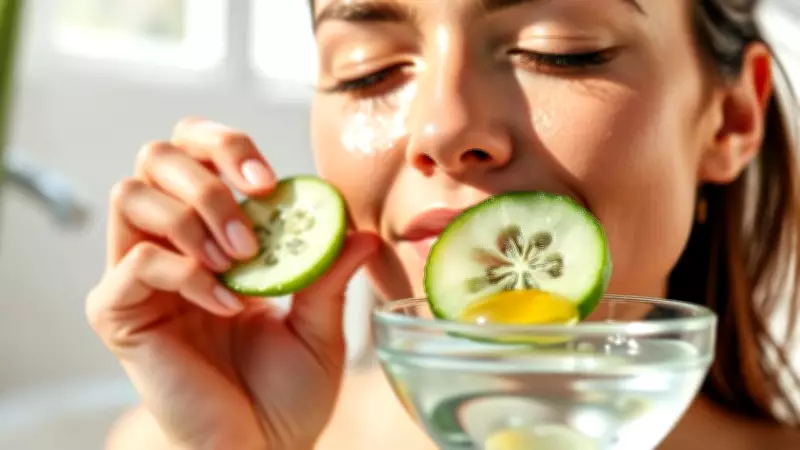
Cucumber: Another excellent hydrator is cucumber. "Cucumber is exceptionally rich in water and packed with beneficial antioxidants," Dr. Panduranga points out. "It helps to calm inflammation and replenish moisture in tired, stressed, or sun-exposed skin without leaving a heavy or greasy residue, making it ideal for various skin types."
Vitamin E: This antioxidant plays a dual role in skin care. "Vitamin E protects the skin from oxidative damage caused by environmental factors like UV rays and pollution," explains Dr. Panduranga. "Simultaneously, it aids in reducing transepidermal water loss by fortifying the skin's lipid barrier, thereby helping to lock in essential hydration."
The Path to Resilient Skin
In his concluding remarks, Dr. Panduranga underscores the non-negotiable nature of hydration in a daily skincare regimen. "Hydration is not an occasional luxury but a daily essential for maintaining skin health," he asserts. "Incorporating ingredients like aloe vera, cucumber, and Vitamin E into your routine can help build and maintain healthy, resilient, and glowing skin over the long term, complementing the effects of moisturizers." This holistic approach ensures the skin remains protected, nourished, and vibrant from the inside out.