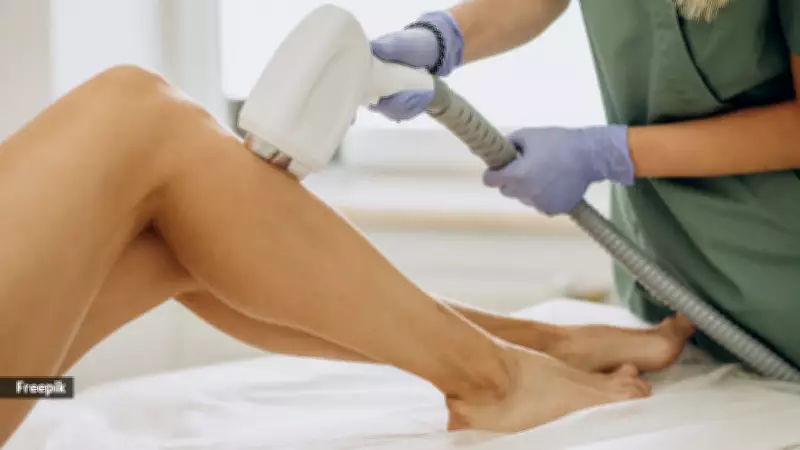
Dermatologist Issues Warning About Laser Hair Removal Side Effect: Increased Hair Growth
Laser hair removal has become one of the most popular cosmetic procedures worldwide, celebrated for its ability to provide long-term reduction of unwanted hair and minimize the need for frequent shaving or waxing. However, a recent warning from dermatologists highlights that this treatment doesn't always deliver the expected results and can sometimes produce the opposite effect.
What Is Paradoxical Hypertrichosis?
Dr. Abigail Waldman, a board-certified dermatologist, recently took to social media to discuss a phenomenon called paradoxical hypertrichosis. This condition occurs when laser hair removal treatment actually stimulates hair growth rather than reducing it. According to Dr. Waldman, "Paradoxical hypertrichosis is possible after using laser hair removal. This is more common on the face than it is on the body."
Dr. Archana Lakshman, consultant dermatologist and cosmetologist at GVG Invivo Hospital, explains this rare reaction in more detail. "Paradoxical hypertrichosis is a rare phenomenon where fine, thin hair in the treated area becomes thicker or denser instead of reducing," she states. "It is believed to occur when the laser energy is insufficient to completely destroy the hair follicle but still stimulates it, triggering hair growth."

How Common Is This Reaction?
While the possibility of increased hair growth might sound alarming to those considering laser treatments, dermatologists emphasize that this reaction is relatively uncommon. Dr. Lakshman notes that "this reaction is uncommon and is estimated to affect only a small percentage of patients undergoing laser hair removal."
The reassuring aspect is that when paradoxical hypertrichosis does occur, it can typically be addressed in subsequent laser sessions. With proper adjustments to treatment parameters, dermatologists can bring this unwanted side effect under control.
Who Is Most at Risk?
Certain individuals may be more susceptible to experiencing increased hair growth following laser sessions. According to Dr. Lakshman, those with specific characteristics face higher risks:
- Darker skin types
- Fine facial hair
- Hormonal conditions such as polycystic ovarian syndrome (PCOS)
"Areas with fine vellus hair, such as the face or neck, are more prone compared to coarse hair on the body," notes the expert. Additionally, using inappropriate laser technology or incorrect parameters for a person's specific skin and hair combination can increase the likelihood of this paradoxical reaction.
Preventive Measures and Solutions
Dermatologists recommend several strategies to minimize the risk of paradoxical hair growth:
- Cooling techniques: Dr. Waldman emphasizes that "cooling the skin, before and after laser, can help reduce this unwanted side effect. A lot of lasers actually have cooling inside the laser. But make sure that if it doesn't, then you are cooling with ice before and after laser hair removal, especially on the face."
- Professional assessment: Dr. Lakshman advises undergoing treatment with a board-certified dermatologist who uses the correct laser type and energy settings after a thorough assessment of your skin and hair characteristics.
- Adherence to protocols: Sticking to the recommended number of sessions and avoiding unregulated clinics is equally important for achieving optimal results while minimizing risks.
If paradoxical growth does occur despite preventive measures, dermatologists have several options. "The dermatologist may adjust the laser parameters or recommend alternative treatments such as electrolysis or prescription topical therapies to gradually reduce the new hair growth," concludes Dr. Lakshman.
Important Considerations for Patients
While laser hair removal remains an effective treatment for most people seeking long-term hair reduction, this warning serves as an important reminder that individual responses can vary. Factors such as low fluence settings or using the wrong wavelength for a person's hair and skin type can contribute to unwanted side effects.

Patients considering laser hair removal should consult with qualified dermatologists who can properly assess their skin type, hair characteristics, and medical history before proceeding with treatment. This personalized approach helps ensure the best possible outcomes while minimizing potential risks.
Disclaimer: This article is based on information from dermatology experts and public domain sources. Always consult your healthcare practitioner before starting any cosmetic treatment or skincare routine.