

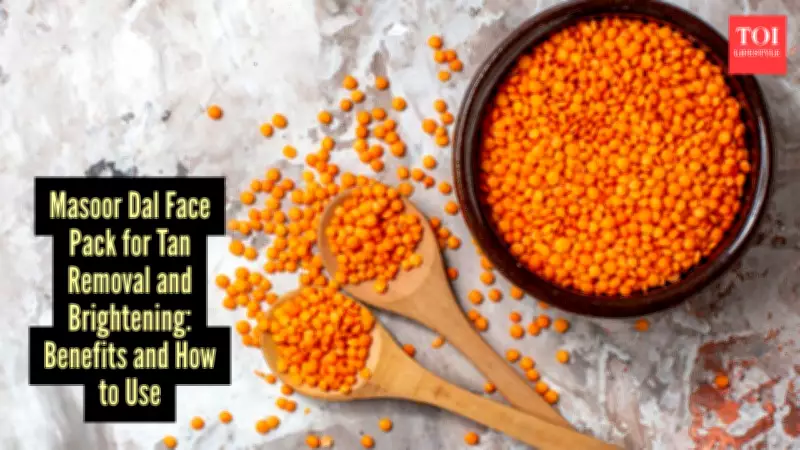
Long before expensive toners and serums, skincare staples included Indian kitchen ingredients that helped women attain glowing and healthy natural skin. One such beauty secret is the humble masoor dal (red lentil), known for its gentle exfoliating properties and a traditional skincare routine in some Indian homes for generations. Let’s see how to make and correctly use this on the skin.
What is a Masoor Dal Face Pack?
A masoor dal face pack is made by grinding soaked or dried masoor dal into a fine paste, which includes many other super ingredients. People usually add honey, milk, yoghurt, turmeric, and rose water to the mixture, which is then applied to the face and neck for exfoliating the skin, cleansing it, and also for overall nourishment, without the inclusion of any chemicals.
Benefits of Masoor Dal Face Pack
A masoor dal face pack naturally exfoliates dead skin cells, unclogs the pores, and reveals fresher-looking skin. It also helps reduce tanning when combined with lemon juice or milk, as it improves the overall appearance of sun-induced pigmentation over time. People dealing with excess oil can also apply this paste, which absorbs excess oil from the skin’s surface without stripping away all moisture, making it useful for oily and combination skin types.

How to Make This Face Pack
To make this face pack at home, you will need 2 tablespoons of masoor dal and some rose water. Start by soaking the masoor dal overnight and then blend it into a smooth paste the very next morning. Add water or rose water and then evenly apply this on your face and neck. Leave it for half an hour, then gently rinse your face with lukewarm water. Try this twice a week and see the change in a month or two.
Any Potential Side Effects?
Although applying the paste is generally considered safe, if you experience redness, irritation, dryness, or any allergic reactions, consider performing a patch test before applying it on your entire face. But if you have active eczema, rosacea, severe inflamed acne, damaged skin, or known lentil allergies, then you should contact a doctor first before using this homemade natural remedy.

