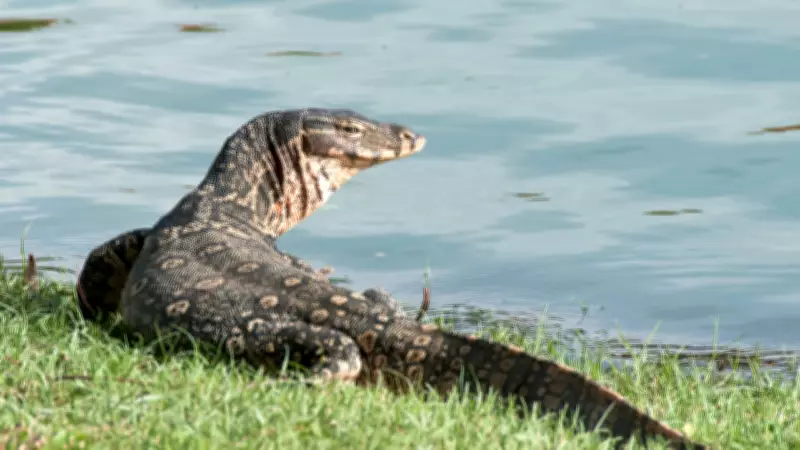
A sudden rustle near the garden wall. A long tail disappearing under shrubs. Heavy claw marks near a water source. For many people living near wetlands, rivers, or warm tropical regions, spotting a Nile monitor lizard can feel like stepping into a wildlife documentary.
The Nile monitor lizard is one of the largest lizards in Africa. It is known for its muscular body, powerful tail, sharp claws, and remarkable intelligence. These reptiles can grow over six feet long and are excellent swimmers and climbers. In some places, they are admired as fascinating creatures of nature. In others, they are feared because of their size and sudden appearances near homes.
But here is the important truth: Nile monitor lizards usually do not hunt humans. Most encounters happen because the animal is searching for easy food, cool shelter, or water sources around homes and gardens.

So, why do Nile monitor lizards enter gardens, are they truly dangerous, and how can homeowners keep them away safely? The answers are often simpler than expected.
Why Nile Monitor Lizards Come Near Homes
Nile monitor lizards are opportunistic survivors. They go where food and comfort are easy to find. Many modern gardens unknowingly become perfect hiding spots for them. Fish ponds, pet food bowls, compost piles, fallen fruits, poultry areas, garbage bins, and dense shrubs can all attract these reptiles. In warmer regions, they are also drawn toward cool shaded spaces under decks, wood piles, or abandoned corners.
Unlike snakes that usually hide quietly, Nile monitors are active explorers. They investigate their surroundings constantly and remember locations where food was previously found. One surprising reason they enter residential spaces is water. These lizards love staying close to ponds, drainage canals, fountains, and swimming pools because they are strong swimmers and use water to regulate body temperature.
In some areas, urban growth has also reduced their natural habitats. Wetlands and riverbanks are disappearing, so wildlife slowly moves closer to human settlements. The result is an uncomfortable overlap between nature and neighbourhoods.
Are Nile Monitor Lizards Dangerous?
The sight of a giant lizard can easily trigger panic. Their forked tongues, muscular tails, and fast movements make them appear aggressive. But wildlife experts often explain that Nile monitors prefer escape over confrontation. That said, they are still wild animals and should never be approached casually.
If cornered or threatened, a Nile monitor can bite, scratch, or whip its tail in self-defense. Their claws are strong enough to injure pets, and smaller animals like birds, eggs, fish, or rodents may become prey. Children should especially be kept at a distance because curious behaviour can stress the reptile and provoke defensive reactions.
However, stories portraying these reptiles as “man-eaters” are greatly exaggerated. Most incidents happen when humans attempt to capture, touch, or trap them improperly. In many ways, Nile monitor lizards behave like cautious survivors rather than aggressive invaders. They are intelligent enough to avoid unnecessary fights.
Small Garden Habits That Attract Them
Many homeowners focus only on removing the animal after spotting it. But the real solution often lies in removing the invitation. Open garbage bins are one of the biggest attractions. Leftover meat scraps, fish waste, and food remains can pull reptiles into residential spaces quickly. Outdoor pet feeding areas can create the same problem.
Dense overgrown gardens also provide ideal hiding areas. Thick shrubs close to walls, stacked debris, abandoned pipes, and wood heaps offer cool shelter during hot afternoons. Even decorative ponds may attract Nile monitors because they often contain fish, frogs, or insects. One overlooked factor is fallen fruit. Rotting fruit attracts insects and rodents, which then attract larger predators like monitor lizards.
Wildlife experts often say that nature follows the food chain quietly. Remove one attraction, and several others disappear naturally. A cleaner garden does not only look better. It also becomes less appealing to unexpected wildlife visitors.

Humane Ways to Keep Nile Monitor Lizards Away
The safest approach is prevention, not confrontation. Strong fencing around poultry areas, fish ponds, and compost sections can reduce access. Garden mesh with buried edges may help stop reptiles from digging underneath. Motion-activated lights or sprinklers can also discourage visits because these lizards prefer calm and predictable spaces.
Homeowners should trim heavy vegetation near walls and remove unnecessary clutter where reptiles can hide. Garbage bins must stay tightly sealed, especially during warmer months. Another important step is avoiding direct feeding of wildlife. Some people intentionally feed large reptiles out of curiosity, but this teaches the animal to associate humans with food. Over time, this increases future encounters.
If a Nile monitor repeatedly appears near a property, wildlife authorities or trained animal rescue professionals should handle the situation. Attempting to catch one without experience can become dangerous for both humans and the animal. In situations involving wildlife, calm decisions matter more than fearful reactions.
Learning to Respect Wildlife Without Inviting It Home
One of the strangest realities of modern life is that humans continue expanding into spaces once ruled by wildlife. Encounters with reptiles, birds, and wild mammals are becoming more common across the world. That does not mean every animal near a home is a threat.
Nile monitor lizards play an important ecological role. They help control rodents, insects, and smaller pest populations in natural environments. Removing them entirely from ecosystems would create different environmental problems. The challenge is balance.
Homes should remain safe and comfortable, but wildlife should also be handled responsibly. Fear often grows from misunderstanding. Once people learn why these reptiles appear and how predictable their behaviour actually is, panic usually fades. A well-maintained garden, secured waste, and respectful distance are often enough to prevent repeated visits. And sometimes, the smartest way to deal with wildlife is not through force, but through understanding.
Disclaimer
This article is intended for informational purposes only. Nile monitor lizards are wild animals and should never be approached, handled, or provoked. Local wildlife laws may vary by region. In case of repeated sightings or safety concerns, contact licensed wildlife rescue authorities or animal control professionals for assistance.