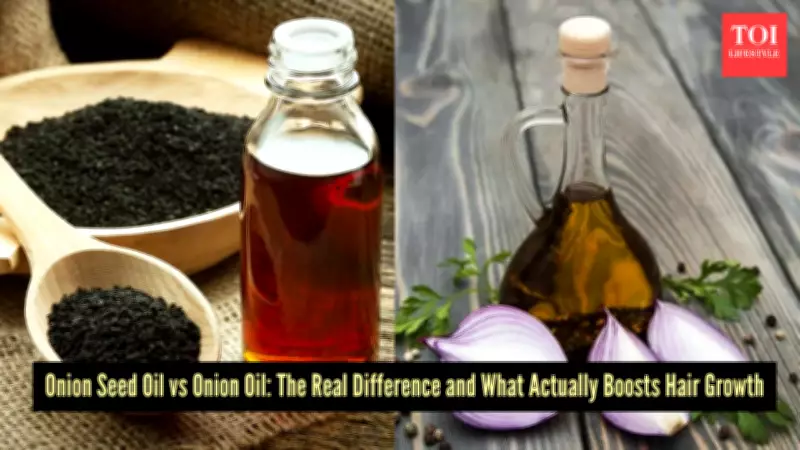
Onion Seed Oil vs Onion Oil: Which Is Better for Hair Growth?
In the post-COVID era, the beauty industry experienced a significant shift with the rise of K-beauty products, which combined scientific formulations with natural ingredients. However, after five years, the Indian market is witnessing another transformation as more consumers embrace natural ingredients and DIY habits. From homemade face masks to traditional hair oils, people are increasingly turning to nature's remedies for their beauty routines, seeking solutions that are gentle yet effective. Among these natural options, onion seed oil and onion oil have gained popularity for hair growth, sparking debates about which one is superior. This article explores their differences, benefits, and proper usage to help you make an informed choice.
What Is Onion Seed Oil?
Onion seed oil, also known as kalonji oil or black seed oil, is extracted from the seeds of the Nigella sativa plant, commonly referred to as kalonji. Despite its name, it does not originate from onion bulbs and lacks the characteristic onion smell. This nutrient-dense oil is typically cold-pressed to preserve its beneficial properties. Rich in vitamins and minerals, it is primarily used to address hair loss and dandruff issues while strengthening hair roots. Additionally, it enhances shine and serves as an effective scalp treatment, promoting overall hair health without harsh chemicals.
What Is Onion Oil?
Onion oil is directly derived from onion bulbs through methods like steam distillation or cold-pressing. It is renowned for its high sulphur content, along with potassium and antioxidants, which play a crucial role in hair care. This oil stimulates the scalp, reduces hair breakage, strengthens follicles, and prevents hair fall. By improving blood circulation and adding shine, it also offers antifungal and antibacterial benefits. Often blended with carrier oils such as coconut or almond oil, onion oil enhances hair quality and supports robust growth, making it a staple in natural hair care routines.

How to Use Onion Seed Oil Properly
Using onion seed oil correctly is essential to avoid scalp irritation. Always apply it to a clean, dry scalp to prevent buildup. Warm a few drops of the oil and focus on massaging it into the scalp, avoiding the hair lengths. Remember the principle of less is more and gently massage for 5-10 minutes to boost blood circulation without causing friction. It is advisable to dilute onion seed oil with carrier oils like castor, coconut, or almond oil and limit usage to once a week. While it is not a direct hair growth oil, it excels in scalp treatment, aiding in regrowth and reducing inflammation and dandruff.
How to Use Onion Oil Effectively
Onion oil is celebrated for promoting hair growth and minimizing hair fall by enhancing scalp blood circulation. Its sulphur content nourishes hair follicles, while its antioxidant properties protect against damage. To use it effectively, apply a small amount—no more than two spoons—to a dry scalp to avoid clogging follicles. Dilute it with a carrier oil, massage gently for 10-15 minutes, and leave it on for about two hours before rinsing thoroughly. Consistent use over 3-4 weeks can lead to noticeable improvements in hair strength, reduced breakage, and healthier hair quality.
Which Is Better for Hair Growth?
Both onion oil and onion seed oil offer distinct benefits for hair care, but they function differently. Onion oil, with its rich sulphur content, strengthens keratin proteins and improves scalp circulation, making it ideal for promoting new hair growth and reducing hair fall. In contrast, onion seed oil focuses on enhancing hair density and stimulating dormant follicles, supporting regrowth rather than initiating new growth. It also helps reduce scalp inflammation and dandruff. Ultimately, the choice depends on your specific hair concerns: opt for onion oil for growth and fall reduction, and onion seed oil for scalp health and density improvement.