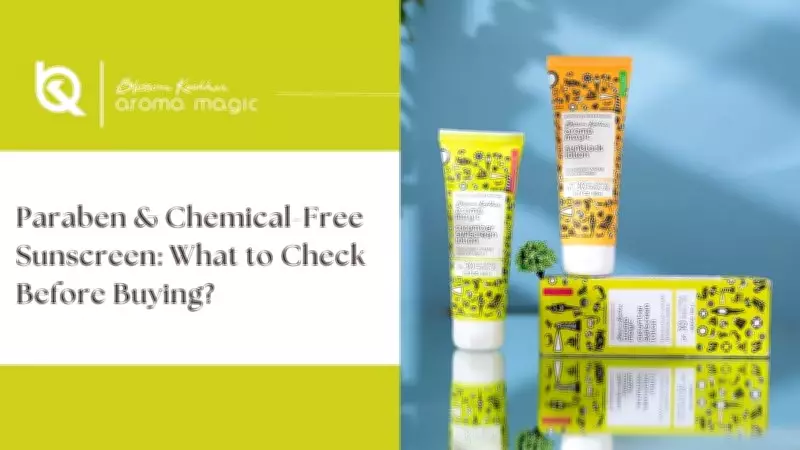
Understanding the Importance of Paraben-Free and Chemical-Free Sunscreens
In today's beauty and skincare market, consumers are increasingly prioritizing products that are not only effective but also safe for long-term use. Sunscreens, a crucial component of daily skincare routines, have come under scrutiny for their ingredient lists. The demand for paraben-free and chemical-free sunscreens has surged, driven by growing awareness of potential health risks associated with synthetic additives. This article explores the key factors to consider before purchasing such sunscreens, ensuring you make an informed choice for optimal skin health.
What Are Parabens and Chemicals in Sunscreens?
Parabens are a group of synthetic preservatives commonly used in cosmetics and personal care products, including sunscreens, to prevent bacterial growth and extend shelf life. However, studies have linked parabens to hormonal disruptions and skin irritation, prompting many to seek alternatives. Chemical sunscreens, on the other hand, contain active ingredients like oxybenzone and avobenzone, which absorb UV radiation and convert it into heat. While effective, these chemicals can sometimes cause allergic reactions or penetrate the skin, raising concerns about systemic absorption.
Key Factors to Consider Before Purchase
When shopping for paraben-free and chemical-free sunscreens, it's essential to evaluate several aspects to ensure you're getting a product that meets your needs without compromising safety.

Always check the label for a clear list of ingredients. Look for sunscreens that explicitly state "paraben-free" and "chemical-free" or use mineral-based active ingredients like zinc oxide or titanium dioxide. These minerals sit on the skin's surface, reflecting UV rays without being absorbed, making them a safer option for sensitive skin.
2. SPF and Broad-Spectrum ProtectionEnsure the sunscreen offers broad-spectrum protection, which guards against both UVA and UVB rays. An SPF of 30 or higher is recommended for daily use, but higher SPF doesn't always mean better protection—focus on consistent application and reapplication every two hours.
3. Skin Type CompatibilityConsider your skin type when selecting a sunscreen. For oily or acne-prone skin, opt for non-comedogenic formulas that won't clog pores. Dry skin may benefit from moisturizing ingredients like hyaluronic acid or glycerin in paraben-free options.
4. Certifications and TestingLook for products with certifications from reputable organizations, such as dermatologist-tested or hypoallergenic labels. These indicate that the sunscreen has undergone rigorous testing to minimize the risk of adverse reactions.
5. Environmental ImpactChemical sunscreens have been linked to coral reef damage, so choosing mineral-based, paraben-free options can be more eco-friendly. Check for labels like "reef-safe" to support environmental sustainability.
Benefits of Paraben-Free and Chemical-Free Sunscreens
Opting for these sunscreens can offer numerous advantages, including reduced risk of skin irritation, allergies, and long-term health concerns. They are often gentler on the skin, making them suitable for children, pregnant women, and individuals with sensitive conditions like eczema or rosacea. Additionally, mineral-based formulas provide immediate protection upon application, unlike some chemical sunscreens that require time to become effective.
Common Misconceptions and Tips
Many believe that paraben-free and chemical-free sunscreens are less effective, but this is a myth. Mineral sunscreens with zinc oxide or titanium dioxide offer robust protection when applied correctly. To maximize benefits, apply a generous amount—about a shot glass full for the body—and don't forget areas like the ears and neck. Store sunscreens in a cool, dry place to maintain efficacy, and replace them annually as ingredients can degrade over time.

In conclusion, selecting the right sunscreen involves careful consideration of ingredients, protection levels, and personal skin needs. By prioritizing paraben-free and chemical-free options, you can enjoy effective sun protection while minimizing potential risks. Always consult with a dermatologist for personalized advice, especially if you have specific skin concerns or conditions.