

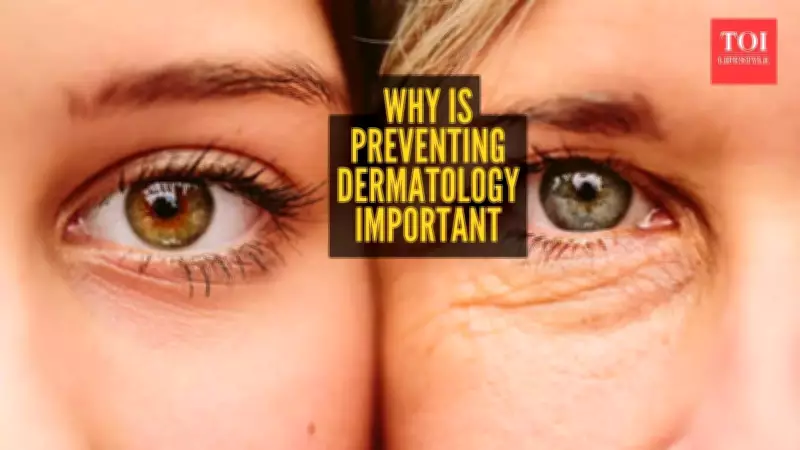
The Silent Beginning of Skin Aging: Why Your 20s Matter More Than You Think
Most individuals begin to worry about their skin only when the first stubborn fine lines appear or pigmentation marks refuse to fade. However, by the time these visible signs emerge, the underlying damage has been accumulating silently for years. Skin does not suddenly deteriorate at age 40; it responds to the cumulative effects of your habits since your early 20s.
Expert Insights from a Dermatology Specialist
Dr. Abhishek Pilani, Founder of Assure Clinic and a specialist in MD Dermatology, Hair Transplant, and Restoration, provides crucial guidance on age-appropriate skin care. He emphasizes that proactive measures taken decades earlier can significantly influence skin health and appearance later in life.
The Deceptive Resilience of Your 20s
Your twenties present a misleading picture of skin invincibility. During this decade, skin typically remains firm, elastic, and highly forgiving. You might skip sleep, neglect sunscreen, rely on caffeine, and still see your complexion bounce back quickly. This resilience stems from peak collagen levels, rapid cell turnover, and a robust skin barrier.

Unfortunately, this often fosters a false sense of security. The reality is that damage from sun exposure, pollution, stress, and poor lifestyle choices accumulates gradually. These factors do not announce themselves loudly; they whisper, building up over time to manifest later as premature aging.
Daily Sunscreen: Essential Long-Term Insurance
Applying daily sunscreen is far more than a cosmetic suggestion; it represents critical long-term insurance for your skin. Ultraviolet (UV) exposure is responsible for the majority of premature aging signs, including uneven skin tone, fine lines, dullness, and loss of firmness.
Many people who struggle with pigmentation in their late 30s can trace the origin back to unprotected sun exposure during their 20s. Establishing the sunscreen habit early creates a visible, positive difference in skin health decades later.
Protecting Your Skin Barrier in Your 20s
This decade is also crucial for safeguarding your skin's natural barrier. Over-exfoliating, frequently switching products, or chasing fleeting beauty trends can weaken skin rather than enhance it. A consistent routine focused on gentle cleansing, adequate hydration, and minimal yet effective products typically outperforms complicated regimens over the long term.
Entering Your 30s: Subtle Shifts Require Strategic Care
By the time you reach your 30s, changes become subtle but undeniable. Collagen production begins to slow, recovery from breakouts takes longer, and skin may appear less radiant, particularly under stress. This phase calls for strategic adjustments rather than panic.
Introducing antioxidants like vitamin C can help combat environmental stressors. When used correctly, retinoids support collagen production and refine skin texture gradually. Hydration becomes more intentional, serving not just for a healthy glow but also to maintain skin elasticity.
Preventive dermatology in your 30s focuses less on dramatic procedures and more on preserving the skin quality you already possess.
The Overlooked Role of Lifestyle Factors
Lifestyle plays a far more significant role in skin aging than many acknowledge. Chronic stress disrupts hormonal balance and impairs skin repair mechanisms. Irregular sleep reduces the skin's overnight regenerative capacity. Diets high in sugar contribute to collagen breakdown through glycation, gradually undermining skin firmness over years.
Regular exercise, sufficient water intake, and avoiding smoking are not merely general health recommendations; they are tangible investments in your skin's future appearance.
Dispelling the Biggest Anti-Aging Misconception
The most common misconception about anti-aging is that it begins with corrective treatments. In truth, it starts with consistency. Individuals who appear to age slowly typically aren't undergoing extreme procedures; they simply initiated good habits early, maintained them consistently, and protected their skin before visible damage occurred.

Preventive Dermatology: Respecting Your Skin's Memory
Preventive dermatology is less about fearing wrinkles and more about respecting biological processes. Your skin retains memories—of every sun-drenched summer without protection, every period of neglect, and every positive habit cultivated. The choices you make in your 20s and 30s quietly determine how much intervention you'll require later in life.
The fundamental truth remains clear: it is always easier to preserve healthy skin than to repair significant damage.





