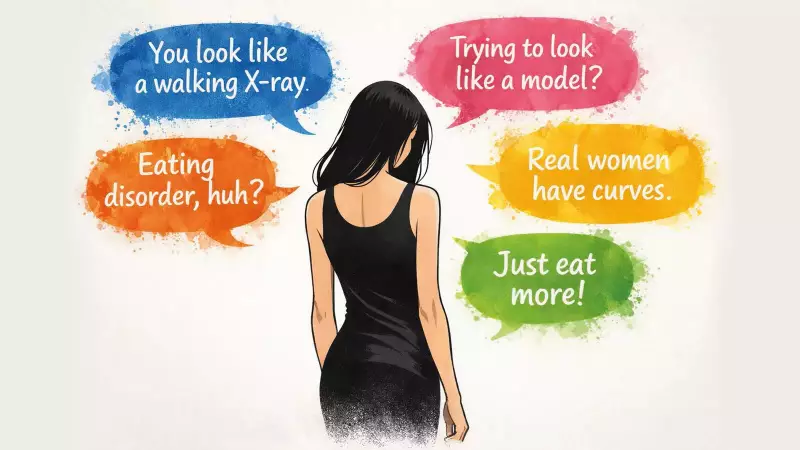
The Unseen Bias: Why Thin Shaming Gets a Free Pass in Society
In contemporary discussions about body positivity and acceptance, a glaring double standard persists: while fat shaming is rightly condemned as harmful and discriminatory, thin shaming often escapes similar scrutiny, receiving what many describe as a "free pass" in societal discourse. This imbalance raises critical questions about why certain body types are deemed acceptable targets for criticism while others are protected by growing awareness and advocacy movements.
The Cultural Context of Body Image Criticism
Historically, societal attitudes toward body weight have been shaped by complex factors, including media portrayals, health narratives, and cultural ideals. In many societies, thinness has been associated with beauty, success, and discipline, leading to a perception that comments on slim bodies are less damaging or even complimentary. However, this overlooks the psychological impact of unsolicited remarks about one's physique, regardless of size.
Media and entertainment industries have long perpetuated stereotypes, often glorifying extreme thinness while simultaneously mocking it in contexts like the term "toothpick" or "twiggy." This duality creates a confusing landscape where thin individuals may face ridicule for their natural body shape, yet such criticism is rarely labeled as shaming in the same way as comments toward larger bodies.

Health Misconceptions and Societal Biases
A key factor in this double standard is the widespread misconception that thinness equates to perfect health, while larger bodies are automatically deemed unhealthy. This oversimplification ignores genetic diversity, metabolic differences, and individual health circumstances. Thin shaming often masquerades as concern, with phrases like "you need to eat more" or "you're too skinny" being framed as well-meaning advice rather than invasive judgments.
In contrast, fat shaming is increasingly recognized as rooted in prejudice and stigma, linked to issues of discrimination in healthcare, employment, and social settings. The body positivity movement has made significant strides in challenging these biases, but its focus has largely been on larger bodies, inadvertently leaving thin individuals without similar advocacy.
The Psychological Impact of Thin Shaming
Research indicates that negative comments about body weight, regardless of direction, can lead to serious mental health consequences, including:
- Low self-esteem and body dissatisfaction
- Increased risk of eating disorders, such as anorexia or binge eating
- Anxiety and depression related to body image
- Social withdrawal and isolation due to constant scrutiny
Thin shaming can be particularly insidious because it is often dismissed as trivial or even enviable, minimizing the experiences of those who face it. This lack of validation can exacerbate feelings of invisibility and frustration among individuals targeted by such remarks.
Moving Toward Inclusive Body Positivity
To address this imbalance, there is a growing call for a more inclusive approach to body positivity that acknowledges all forms of body shaming as harmful. This involves:
- Educating the public on the diversity of body types and the inappropriateness of unsolicited comments on anyone's weight.
- Challenging media representations that stereotype or mock thin individuals, just as efforts are made to combat fatphobic imagery.
- Promoting health at every size, recognizing that well-being cannot be judged by appearance alone.
- Encouraging empathy and respect in personal interactions, avoiding assumptions based on body size.
By broadening the conversation, society can work toward a future where no one feels marginalized due to their body shape, and where thin shaming is given the same critical attention as other forms of body image discrimination. The path forward requires a collective shift in mindset, prioritizing kindness and understanding over judgment and bias.