

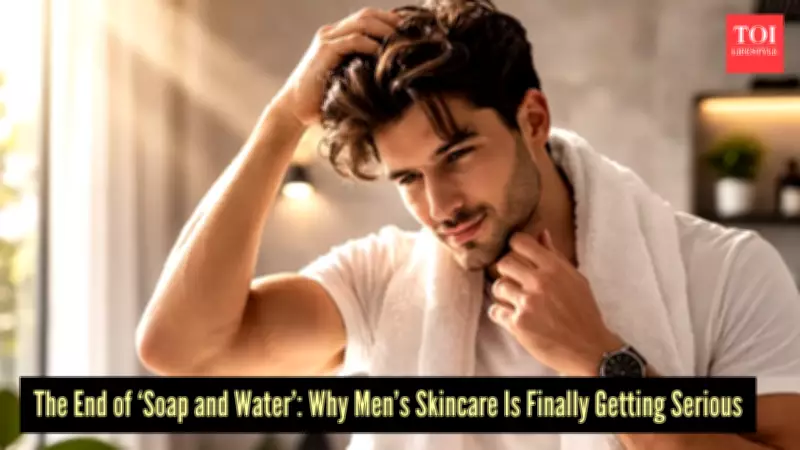
For decades, skincare was marketed almost exclusively to women, and men, especially in India, were often seen using a simple bar of soap with a splash of aftershave and perhaps a hair oil if needed. The idea of a man using sunscreen, moisturiser, and a simple cleanser was often dismissed as unnecessary and, worse, unmanly at times. But the narrative has changed now. From influencers to popular personalities, everyone is embracing men's skincare like never before. But what really changed?
The End of the ‘Soap and Water’ Era
The turning point came when grooming stopped being viewed as a luxury but as a necessity and a sign of self-care. The rise of influencer culture on social media mainly transformed how men think about appearance. Today’s consumers are far more informed about skincare ingredients, where the shift was gradually witnessed in the men’s grooming industry and saw a sudden boom. From a variety of face washes, serums, sunscreens, beard oils, and other anti-ageing products constructed and marketed separately for men’s skin, people understood the importance, and what were considered to be 'women's categories' soon evolved into a gender-inclusive industry.
Expert Insights on the Boom
To better understand the boom in the men's grooming segment, we spoke to Ruta Karve Misra, founder of INTOIT. She explained, “Men are increasingly aware of concerns like sun damage, pigmentation, dehydration, and premature ageing. They are not looking for complicated routines or overflowing bathroom shelves; they are looking for effective, straightforward solutions that fit naturally into their lifestyles. What was often interpreted as disinterest was simply a rejection of unnecessary complexity.”

She added, “The shift we are seeing today is also being driven by a broader change in how self-care is viewed. Younger consumers have redefined personal care, making conversations around fitness, nutrition, mental wellbeing, and skincare far more inclusive. At the same time, access to information has created a generation of consumers who ask smarter questions. They read ingredient labels, research formulations, follow experts, and expect transparency from brands. Skincare is no longer seen as a vanity category. It is increasingly viewed as an extension of overall health and wellbeing.”
Debunking Myths
Ruta Karve Misra also addressed long-standing myths: “The biggest myth has never been that men don't care about skincare. The reality is that they were waiting for a category that understood them. As the industry continues to evolve, the opportunity lies in simplifying skincare, building trust, and creating products that solve real problems. Because when brands stop telling consumers how they should care for themselves and start listening to how they actually live, meaningful change follows. And that is exactly why men's skincare is finally getting the attention it deserves.”
The End of the ‘Fairness Cream Era’
One of the most important cultural shifts in India has been moving away from just focusing on fairness-centric beauty standards. For years, men were promised just having lighter skin. But today's consumers are more inclined towards healthy, protected, and hydrated skin rather than chasing unrealistic complexion goals. The focus has now shifted from changing one’s skin colour to improving overall skin health. This was a move welcomed and promoted by modern skincare experts and not by money-minting brands.
What’s Next for Men’s Skincare?
The future of men’s skincare is likely to be less about gender and more about changing skin concerns. Consumers are choosing products based on whether they have sensitive skin, acne-prone skin, dry skin, or oily skin, rather than just labels ‘for men’ or ‘for women’. As awareness grows, skincare is now becoming what it should have been all along: a part of everyday health and hygiene.

