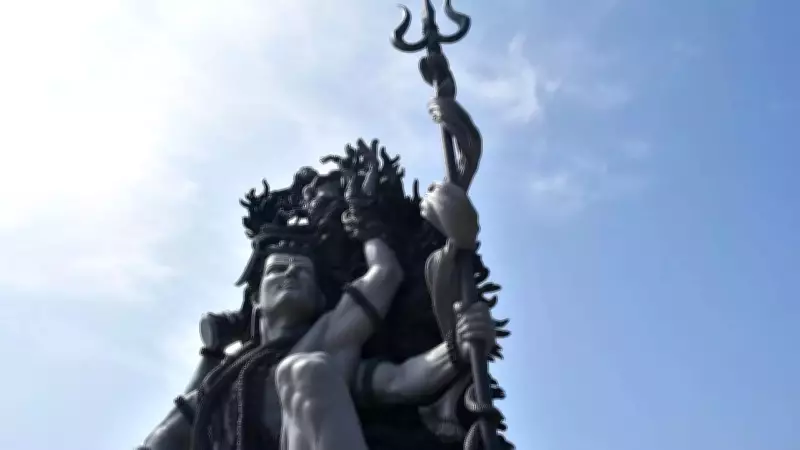
The Divine Forms of Lord Shiva: A Spiritual Exploration
Lord Shiva stands as one of the most revered deities in Hinduism, forming a crucial part of the divine trinity. This supreme god manifests in various forms to accomplish numerous spiritual objectives, with each avatar revealing a distinct facet of his divine nature. Whether acting as the creator, the destroyer, or the Guru of Gurus, these manifestations provide devotees with pathways to achieve their aims and attain profound spiritual enlightenment. Below, we explore ten significant spiritual manifestations of Lord Shiva, delving into their unique meanings and symbolic importance.
Nataraja: The Cosmic Dancer
In his Nataraja form, Lord Shiva is portrayed as the cosmic dancer engaged in the Tandava. This powerful manifestation represents the universe's eternal cycles of creation, preservation, and annihilation. The flames encircling the Nataraja statue symbolize the regeneration of the cosmos and the destruction of ignorance. Through this form, Nataraja teaches about the inevitability of change and the transformative potential of divine energy. Notably, in his Nataraj form, Lord Shiva subdued the demon Apasmara, who deceives and misleads humanity, highlighting his role as a protector of truth.
Kaal Bhairava: The Lord of Time and Death
As the name suggests, Kaal Bhairava is one of the most ferocious manifestations of Lord Shiva, revered as the Lord of time and death. This form inspires individuals to comprehend the deeper purpose of their lives and emphasizes the necessity of focusing on spiritual growth. Worshiping Kaal Bhairava aids in overcoming fear and gaining insight into the profound aspects of existence, guiding devotees toward a more enlightened path.

Ardhanarishvara: The Union of Masculine and Feminine
Lord Shiva in the Ardhanarishvara form symbolizes the beautiful union and fusion of masculine and feminine energies. Depicted as half-woman and half-man, united with Goddess Parvati, this figure represents the perfect balance of these complementary forces. It illustrates how creation and life are incomplete without the harmonious combination of Shiva, representing consciousness, and Shakti, symbolizing energy, thus highlighting the interdependence of all dualities.
Mahakaal: The Lord of Time and Destruction
Mahakaal, often referred to as the Lord of Time, embodies Shiva's destructive nature and his absolute control over time. This form is also viewed as a defender of dharma and a powerful protector of followers. Many devotees undertake pilgrimages to the Mahakaleshwar temple, dedicated to Lord Mahakaal, in hopes of witnessing his divine presence and seeking his blessings for protection and guidance.
Bhairava: The Fierce Protector
Bhairava stands as one of Lord Shiva's fierce manifestations, associated with both destruction and protection. Frequently depicted with a trident and a threatening expression, this avatar symbolizes the annihilation of fear, ego, and ignorance. Devotees who worship Bhairava gain courage, strength, and protection from negative forces, empowering them to face life's challenges with resilience.
Dakshinamurthy: The Ultimate Guru
Lord Dakshinamurthy is another manifestation of Lord Shiva, revered as the Guru or ultimate instructor. For those seeking wisdom, Lord Shiva in this form is the Guru of Gurus, depicted seated under a banyan tree. This avatar emphasizes the importance of self-realization and enlightenment, guiding seekers toward inner knowledge and spiritual awakening through silent teaching and profound insight.
Aghora: The Ascetic Destroyer
The ascetic form, Aghora, is regarded as the destroyer, symbolizing Shiva's transformative and austere character. Associated with cremation sites, this avatar highlights disengagement from the material world and acceptance of death as the ultimate reality. It encourages devotees to overcome fear and embrace the natural cycle of life and death, fostering a deeper understanding of existence.

Rudra: The Storm God
Rudra is the deadliest manifestation of Lord Shiva, often referred to as the storm god. As an early Vedic incarnation, Rudra represents the wild and fierce aspects of nature, associated with hunting, storms, and the wilderness. This form symbolizes the purifying force of destruction, which clears the way for growth and rebirth, reminding us of the necessary balance between creation and dissolution.
Pashupatinath: The Lord of All Living Beings
Pashupatinath is the manifestation of Lord Shiva as the Lord of all living things, demonstrating compassion for every creature. This avatar represents the interdependence of humans, animals, and the natural environment, inspiring people to value and coexist harmoniously with nature. In Nepal, Pashupatinath ji is worshipped as a guardian deity at the most well-known temple, attracting devotees from around the world.
Veerabhadra: The Warrior Form
Veerabhadra is another form of Lord Shiva as a warrior, born from his fury when his consort Sati burned herself alive. This fierce avatar symbolizes the power of dharma and righteousness, inspiring devotees to stand up against injustice and protect moral values. Through Veerabhadra, Lord Shiva teaches the importance of courage and ethical action in the face of adversity.