Archaeological Discovery in Krishnagiri Reveals Ancient Hero Stones
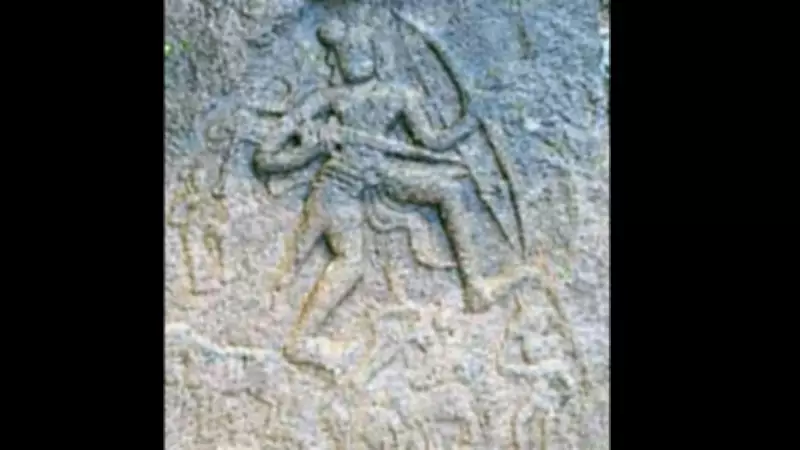
In a significant archaeological find, three hero stones dating back to the 10th and 12th centuries have been unearthed at Anandur in Krishnagiri district. The discovery was made during a recent field survey conducted jointly by the Krishnagiri Historical Research and Documentation Team, the District Government Museum, and the Tamil Nadu State Department of Archaeology.
Insights into Artistic Transition
Tamil Nadu Archaeological Research Centre secretary Govindaraj emphasized that this discovery provides valuable material for researchers to study the artistic evolution from the Nolamba style to the Chola style. According to him, the first two hero stones belong to the 10th century Nolamba period. One stone depicts the hero with his face turned sideways, while the other shows the hero facing forward, offering distinct representations from this early period.
Detailed 12th Century Chola Hero Stone
The third hero stone, dating to the 12th century CE, represents a more developed example of the Chola artistic style. This intricately carved stone presents a rich narrative scene:

- The hero stands prominently on a relief with two cows carved below his feet, suggesting he died in battle while recovering captured cattle
- A horse is depicted walking with its head lowered, adding to the scene's solemnity
- To the hero's right, a small female figure holds an umbrella, indicating his status as a leader
- Another warrior lies at the hero's feet, apparently pierced by a spear
- In the upper panel, two celestial women carry the dead hero to heaven, reflecting the ancient Tamil belief that warriors who die in battle attain heavenly status
Researchers believe the fallen leader might have killed two opponents before his own death, based on the scene's composition and symbolism.
Historical Significance and Research Team
Govindaraj described this 12th century hero stone as an important example of Chola period memorial art. The survey team included Historical Research and Documentation Team secretary Tamilselvan, teacher Balaji, Government Museum curator Sivakumar, research scholar Sneha, and other dedicated professionals who contributed to this significant archaeological documentation effort.
This discovery adds to the growing body of evidence about ancient Tamil warrior culture, memorial practices, and artistic development during the transition between the Nolamba and Chola periods in southern India.