In the vast tapestry of wildlife, a splash of pink stands out as nature's delightful surprise. These aren't creatures from fairy tales but real animals whose rosy hues have fascinating biological origins. From diets rich in pigments to unique genetic traits, their colour serves as camouflage, a mating signal, or a temperature regulator. Here, we spotlight five special pink animals that are captivating nature enthusiasts worldwide.
The Science Behind the Blush
The pink colouration in animals is rarely a simple paint job. It often results from complex interactions between diet, genetics, and environment. Many birds, for instance, derive their pink shades from carotenoids—pigments found in their food like shrimp and algae. For other creatures, blood vessels showing through thin skin or specialised skin cells create the effect. This colouration plays a critical role in their survival, aiding in everything from heat regulation to social communication.
Flamingos: The Iconic Pink Waders
Flamingos are the most recognisable pink animals on the planet. They grace shallow lakes and salt flats across Africa, Asia, and the Americas. Interestingly, they are not born pink. Baby flamingos are grayish-white, gradually turning rosy as they consume a diet packed with carotenoid-rich shrimp, algae, and crustaceans. In India, greater and lesser flamingo species are famous visitors to the salt flats of Gujarat. These social birds are known for their unique filter-feeding technique, where they turn their heads upside down in the water, and for building distinctive mud nests.

Roseate Spoonbills: Blush-Coloured Beauties
Glowing in soft pinks across the coasts of the southern United States, Central, and South America, the roseate spoonbill is a sight to behold. Adults sport blush-pink bodies with deeper, more vibrant magenta wings and shoulders. Their distinctive spoon-shaped bill is a specialised tool they sweep side-to-side in shallow waters to catch shrimp and small fish. Like flamingos, their pink colour comes from their crustacean-heavy diet. During breeding season, their feathers become especially shimmering, and males display brighter hues to attract mates, nesting in large, noisy mangrove colonies.
Galápagos Pink Iguana: A Rare Volcanic Gem
One of the rarest reptiles on Earth, the Galápagos Pink Iguana, was only discovered by scientists in 1986. It lives a secluded life on the rocky slopes of the Wolf Volcano on Isabela Island in Ecuador's Galápagos archipelago. With a striking mottled pink-and-black skin, fewer than 200 individuals are estimated to remain. Their diet consists mainly of cactus pads and insects. Scientists believe their unique pink skin may help with heat regulation in the harsh, sun-baked lava fields. This iguana is critically endangered, facing threats from invasive species and volcanic activity, leading to intense conservation tracking efforts.
Amazon River Dolphin: The Blushing Freshwater Giant
Cruising the murky waters of the Amazon and Orinoco river basins, the Amazon river dolphin, or boto, is South America's largest freshwater dolphin. They are born gray but develop a pink blush, especially on their bellies, as they age. The colour can intensify due to skin scratches from play or fighting, sun exposure, or increased blood flow. This pink hue is a mix of genetics and environmental factors. These intelligent dolphins use echolocation to navigate and hunt fish in the complex, flooded forests, playing a vital role in local folklore and ecology.
Pink Fairy Armadillo: The Desert's Shy Pink Knight
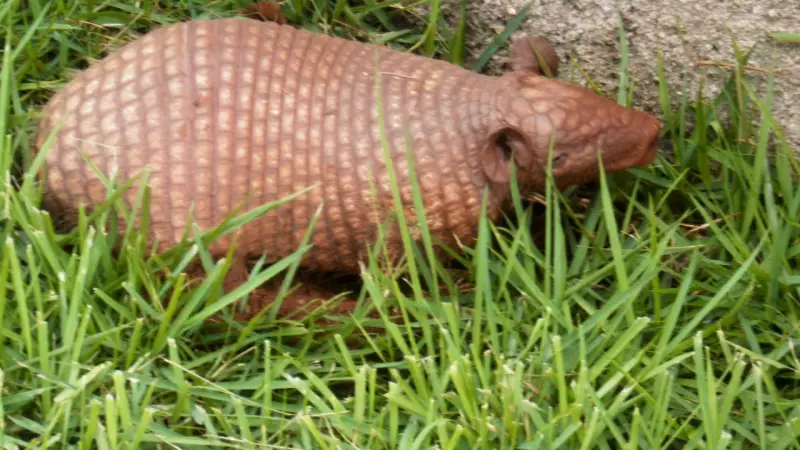
Hailing from the sandy plains of central Argentina, the pink fairy armadillo is the smallest armadillo species in the world, no bigger than a chipmunk. Its shell has a distinctive shimmering pink colour. This hue comes from blood vessels visible through its incredibly thin and delicate dorsal shell. A nocturnal and solitary creature, it spends most of its life burrowing underground, feeding on ants and larvae. Its elusive nature makes sightings rare, adding to its mythical, fairy-tale reputation. Sadly, habitat loss poses a significant threat to this unique mammal, already listed as one of the world's weirdest and most vulnerable.

Conservation and Cultural Spotlight
These pink animals are more than just visual marvels; they are important indicators of ecosystem health. The plight of the Galápagos Pink Iguana and the Pink Fairy Armadillo highlights the pressing issues of habitat destruction and climate change. Conversely, the successful spotting of flamingos in India's Gujarat is a testament to conservation efforts in wetland preservation. Their unique colours continue to inspire awe, reminding us of nature's incredible diversity and the importance of protecting these living gems for future generations.