7 Animals with Extraordinary and Rare Face Patterns in Nature
Nature's canvas is brimming with awe-inspiring and astonishing designs, many of which manifest in the remarkable facial patterns of animals. These intricate expressions serve vital functions such as communication, camouflage, and mating rituals. In some species, the facial designs are so distinct that researchers can differentiate individuals based solely on these unique markings. Here, we explore seven animals from across the globe that boast extraordinary and rare face patterns, showcasing the incredible diversity of the animal kingdom.
1. Mandrill: The World's Most Colorful Primate
The mandrill is widely regarded as the most colorful primate on Earth. Its facial expression features striking blue and red stripes, complemented by white spots and a distinctive golden beard. This vibrant coloration is not merely for show; it plays a crucial role in social communication and establishing dominance within troops. The bold patterns help mandrills convey emotions and status, making them a fascinating subject of study in primate behavior.
2. Tira the Polka Dot Zebra: A Genetic Marvel
Tira is a unique plains zebra that displays a polka dot facial expression instead of the traditional stripes. This rare genetic anomaly, known as pseudomelanism, is extremely uncommon and offers a glimpse into the genetic diversity of wildlife. Tira's face and body stand out dramatically compared to its striped relatives, highlighting how mutations can lead to extraordinary variations in nature.

3. Grey-Faced Sengi: A Contrast in Colors
The grey-faced sengi, a type of elephant shrew, derives its name from the characteristic grey markings on its face, which starkly contrast with its brightly colored fur. These facial markings are just one of the many features that distinguish this species from other sengis. The pattern likely aids in camouflage or species recognition, adding to the sengi's unique appeal.
4. Picasso Clownfish: Art in the Ocean
The Picasso clownfish is a distinctive variant of the orange clownfish, notable for its irregular white and black markings on the face and body. While these patterns are more commonly observed in captive-bred individuals than in wild populations, they are highly prized among marine enthusiasts. The irregular markings demonstrate the incredible variability within the species, showcasing nature's artistic flair.
5. Helmeted Hornbill: A Dramatic Display
The helmeted hornbill is one of the most striking birds globally, featuring a solid keratin casque atop its large bill. The skin around its eyes and throat is bare, with males displaying red hues and females showing pale tones. This dramatic facial structure is integral to mating displays, social interactions, and even aerial "bill-to-bill" combat, emphasizing its role in survival and reproduction.
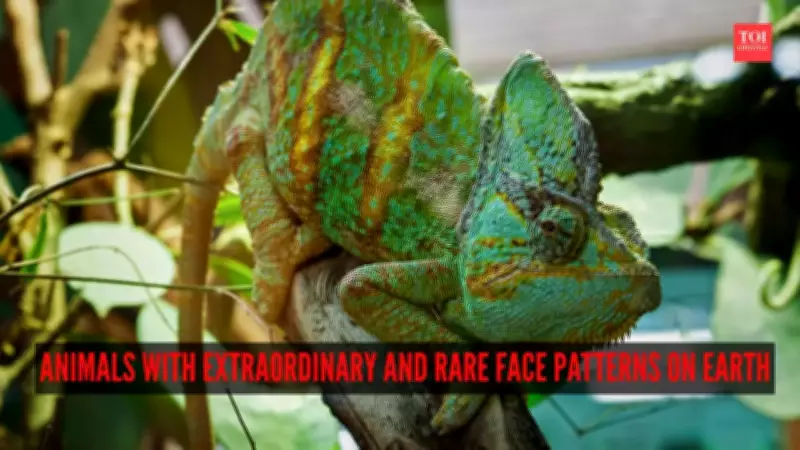
6. Panther Chameleon: A Kaleidoscope of Colors
Famous for its vibrant face, the panther chameleon can exhibit a range of colors, including green, blue, red, and orange. These colorful facial patterns are used for communication and thermoregulation, changing based on mood and environmental conditions. This adaptability makes the panther chameleon a master of expression in the animal world.
7. Red-Shanked Douc: A Primate Palette
The red-shanked douc, an Old World monkey, is known for its vividly colored face, featuring pale orange skin, white whiskers, and dark eye patches. These facial markings make it one of the most visually striking primates. Although the exact role of these colors is still under study, they are believed to aid in social recognition and communication among troop members.
The Significance of Facial Patterns in Wildlife
From tropical reefs to African savannahs and rainforests, the animal kingdom is replete with fascinating faces that defy imagination. These unusual patterns not only captivate human observers but also play critical biological roles. They serve purposes ranging from camouflage and predator avoidance to social communication and mate selection. The diversity in facial designs underscores the complexity of evolution and the endless creativity of nature.

In summary, the seven animals highlighted here—mandrill, polka dot zebra, grey-faced sengi, Picasso clownfish, helmeted hornbill, panther chameleon, and red-shanked douc—exemplify the extraordinary and rare face patterns found in nature. Each species offers a unique story of adaptation and beauty, reminding us of the wonders that await discovery in the wild.