8 Animals That Shed Their Skin in Surprising Ways: Nature's Remarkable Renewal Process
Skin shedding, known scientifically as ecdysis, might seem like an unusual concept at first glance, but it is a natural and common phenomenon for numerous living beings. This biological process serves as a vital mechanism for growth, development, and health maintenance, allowing animals to discard old or damaged skin, eliminate parasites, and rejuvenate themselves. While snakes are often the most recognized shedders, many other creatures engage in this fascinating practice, each with unique and surprising methods.
Beyond mere development, shedding is crucial for overall health. When an animal sheds its skin, it not only rids itself of harmful parasites but also emerges looking refreshed, remaining mobile and robust. Every species has its own distinctive approach to this process, making skin shedding an incredibly intriguing aspect of biology. The following list explores eight animals that shed their skin in the most unexpected and captivating ways.
Caterpillar
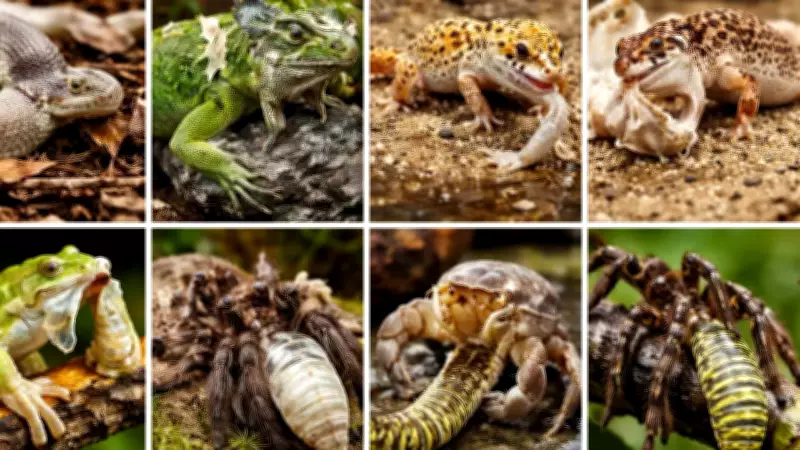
The caterpillar undergoes multiple molting phases during its growth, referred to as instar molting. In each instar stage, the caterpillar sheds its skin to accommodate further growth and development, preparing for the subsequent phase. This repetitive shedding ultimately leads to the formation of a pupa, from which either a butterfly or a moth will eventually emerge. This transformation highlights how shedding is integral to metamorphosis and life cycle progression.

Tarantula
Tarantulas shed their outer body covering along with some inner layers during the molting process. Typically, they molt while lying on their backs, appearing motionless or even dead during this vulnerable period. Once the shedding is complete, they are left with a soft, new skin and must wait for it to harden before resuming normal activity. This method underscores the delicate nature of their renewal process.
Crab
Crabs shed their external skeleton, or exoskeleton, to facilitate growth. They discard their rigid outer layer and develop a larger, new one. Immediately after shedding, their bodies become soft and defenseless against predators, but over time, the new covering toughens up. This cyclical shedding is essential for their continuous development and survival in aquatic environments.
Spider
Spiders undergo molting by shedding their entire exoskeleton. Unlike reptiles with flexible skin, spiders have a rigid outer covering that must be completely shed to allow for growth. Post-shedding, spiders remain soft until their new exoskeleton hardens, making them temporarily vulnerable. This process is a key part of their life cycle, enabling them to expand in size.
Frog
Frogs have a unique and efficient skin-shedding method. Instead of simply discarding their old skin, they pull it over their heads and consume it. This not only helps keep their skin healthy and free from bacteria but also recycles nutrients. Given that frogs rely on their skin for breathing and moisture absorption, this practice is vital for their respiratory and hydration needs.
Gecko
Geckos, a type of lizard, exhibit a particularly fascinating skin-shedding trait. They remove their skin using their mouths and then ingest it. This behavior serves dual purposes: it provides nourishment and eliminates any traces that could alert predators to their presence. Such adaptations showcase the clever survival strategies embedded in their biology.
Lizard
Lizards are another species that shed their skin, but unlike snakes, they do so in patches rather than a single piece. They have been observed consuming their shed skins, which helps conserve nutrients and avoid detection by predators. This piecemeal approach to shedding allows for continuous renewal without compromising their camouflage or safety.
Snake
Snakes are perhaps the most iconic animals associated with skin shedding. They shed in a complete, transparent layer that mirrors their body structure, enabling them to remove parasites and facilitate growth. Prior to shedding, their skin becomes dull and their eyes cloudy, signaling the impending renewal. This process is a testament to their ability to adapt and thrive through regular regeneration.

In summary, skin shedding is a remarkable biological process that varies widely across species, from insects to reptiles. Each animal's method reflects evolutionary adaptations that promote health, growth, and survival. By understanding these surprising ways, we gain deeper insights into the intricate workings of nature and the diverse strategies life employs for renewal and resilience.