Major Infrastructure Overhaul Planned for Ajanta and Ellora Caves
In a significant move to enhance the visitor experience at two of India's most iconic UNESCO World Heritage Sites, the Chhatrapati Sambhajinagar divisional administration has launched a comprehensive initiative to upgrade infrastructure and amenities at the Ajanta Caves and Ellora Caves. Divisional Commissioner Jitendra Papalkar has directed multiple government departments to collaborate urgently on resolving long-standing issues that affect both domestic and international tourists.
Addressing Transportation and Accessibility Challenges
During a recent high-level review meeting with officials from various departments and stakeholders, Papalkar emphasized the need for immediate action to make visits to these heritage sites more pleasant and secure. A primary concern identified was the insufficient pollution-free bus service operated by state transportation during peak tourist seasons along the critical four-kilometer stretch between the Ajanta T-Point and the base of the Ajanta Caves.
"Tourists frequently face the disappointment of having to return without seeing the caves due to inadequate transportation," Papalkar stated. "To eliminate this problem, we have instructed the state transportation department to deploy additional electric buses to ensure reliable service."

Furthermore, the Public Works Department has been tasked with urgently repairing damaged sections of the road from the T-Point to the cave base, while the Forest Department will conduct regular trimming of overhanging tree branches along the route to improve safety and visibility.
Enhanced Security and Basic Amenities
Security measures are being significantly bolstered with the installation of CCTV surveillance systems at key locations including the Ajanta T-Point Shopping Plaza and the Ajanta Guest House in Fardapur. These cameras will monitor activity to ensure tourist safety in these high-traffic areas.
Authorities have also been directed to guarantee the availability of drinking water and general-use water during the summer months at multiple facilities: the Ajanta View Point, Ajanta Tourist Rest House, Vihara Cafeteria, Ajanta Caves Cafeteria, and the Ajanta Visitor Center at the foothills. This addresses a critical need given the region's hot climate and high tourist footfall.
Ellora Caves Specific Improvements
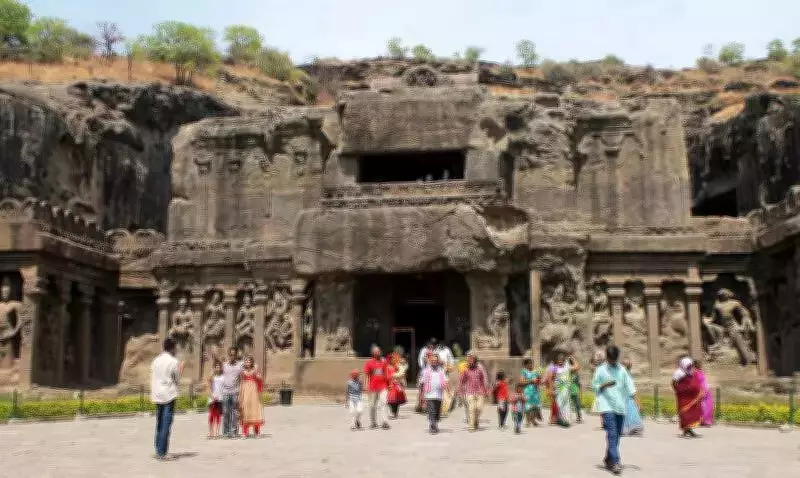
For the Ellora Caves complex, specific instructions have been issued to establish a police outpost within the premises to protect visitors from persistent hawkers. "The Police Department will set up this outpost to enhance security and manage vendor interactions," Papalkar explained.
Additionally, encroachments by street vendors along the route from the Ellora Caves to the Grishneshwar Temple will be removed, and an alternative road will be completed expeditiously to facilitate smoother traffic flow and reduce congestion.
Funding and Implementation
District Collector Deelip Swami confirmed that necessary funds for arranging drinking water, electricity, and road infrastructure within the Ajanta Caves complex will be allocated through the district planning and development committee. This financial backing ensures that the planned improvements can be implemented without delay.
The coordinated effort across departments—including transportation, public works, forest, police, and tourism—reflects a holistic approach to heritage site management. By addressing transportation gaps, security concerns, and basic amenities simultaneously, authorities aim to elevate the overall tourist experience while preserving the historical integrity of these magnificent cave complexes.
These initiatives come at a crucial time as India seeks to boost its cultural tourism sector. The Ajanta and Ellora Caves, renowned for their ancient Buddhist, Hindu, and Jain rock-cut monuments, attract thousands of visitors annually, and these upgrades are expected to significantly enhance their accessibility, safety, and comfort.