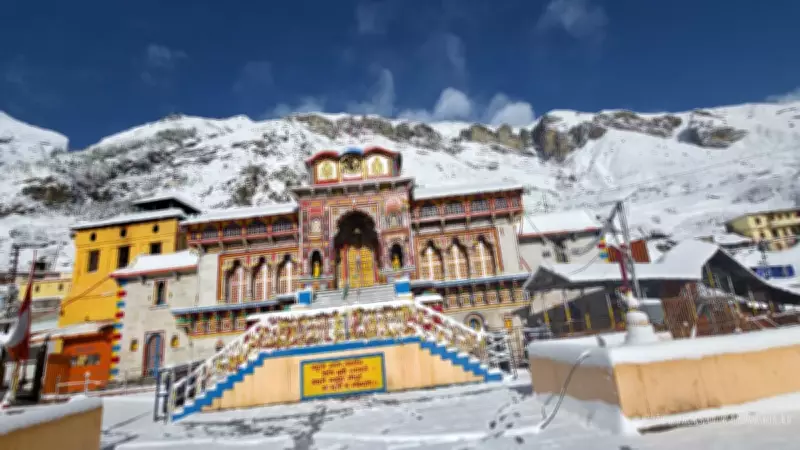
Badrinath Temple Draped in Snow as Uttarakhand Experiences Heavy Winter Weather
In a breathtaking display of nature's beauty, the revered Badrinath Temple in Uttarakhand has been completely enveloped in a thick blanket of snow following recent heavy snowfall in the region. Located in the Chamoli district, this ancient Hindu shrine has transformed into a mesmerizing white spectacle, captivating devotees and tourists alike with its serene winter charm.
Visuals of Snow-Covered Temple Surface Online
Stunning visuals of the snow-draped temple have surfaced across social media platforms and news outlets, showcasing the architectural marvel against a pristine white backdrop. The temple's intricate carvings and traditional design elements stand out dramatically against the fresh snowfall, creating picturesque scenes that have gone viral among netizens.
The snowfall has not only enhanced the temple's visual appeal but also highlighted the challenging weather conditions in the Himalayan region during this season. Local authorities have been monitoring the situation closely, ensuring the safety of the area while appreciating the natural beauty that has emerged.

Impact on Pilgrimage and Local Tourism
While the snowfall creates a visual feast, it also affects the pilgrimage season to Badrinath, which typically sees thousands of visitors annually. The temple, dedicated to Lord Vishnu, is one of the Char Dham pilgrimage sites and holds immense religious significance for Hindus worldwide.
The timing of this snowfall is particularly notable as it occurs during a period when weather patterns in the region are being closely watched by meteorological departments. Such events often influence travel plans and local economic activities dependent on tourism.
Geographical and Climatic Context
Chamoli district, where Badrinath is situated, is known for its rugged terrain and variable weather conditions. The area frequently experiences snowfall during winter months, but the extent and timing can vary significantly from year to year.
- The temple sits at an elevation of approximately 3,133 meters (10,279 feet) above sea level
- Snowfall in March is not uncommon but often draws attention due to its visual impact
- Local residents and temple authorities are accustomed to managing such weather events
- The snowfall contributes to the region's water resources as it melts during warmer months
Environmental experts note that such snowfall events are important for maintaining the ecological balance of the Himalayan region, though they also emphasize the need for sustainable tourism practices in sensitive areas like Badrinath.
Cultural and Spiritual Significance
Beyond its natural beauty, the snow-covered temple holds deep cultural and spiritual meaning for many. The contrast between the ancient stone structure and the fresh white snow creates a powerful visual metaphor that resonates with pilgrims and spiritual seekers.
- The temple remains an important destination despite seasonal weather challenges
- Local traditions incorporate weather patterns into religious observances
- The snowfall is often interpreted as a blessing or purification of the sacred site
- Photographers and nature enthusiasts find unique opportunities during such events
As the visuals continue to circulate online, they serve as a reminder of both the beauty and the power of nature in India's Himalayan regions. The Badrinath Temple, standing resilient against the winter elements, continues to inspire awe and devotion regardless of the season.