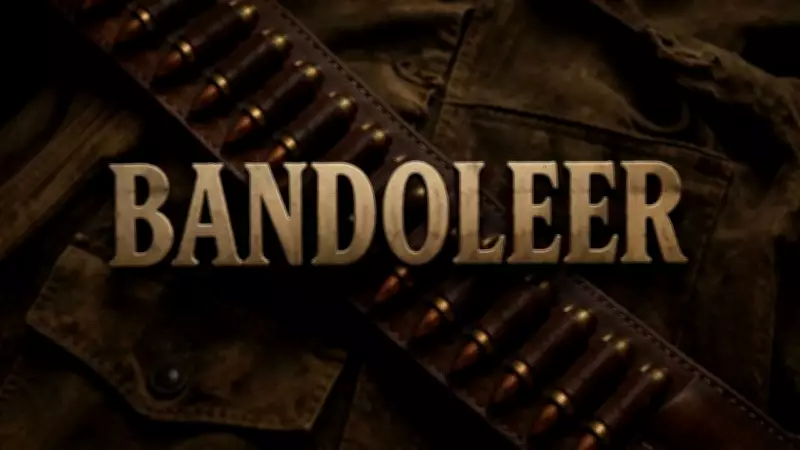
Bandoleer: More Than Just a Military Strap – A Cultural Icon
In the realms of military history and popular culture, certain items transcend their practical purposes to become powerful symbols. Imagine a soldier in full uniform or a rugged outlaw from an old Western film; often, a strap is worn diagonally across the chest, holding rows of ammunition. This is not merely a functional piece of equipment but a visual element that has evolved into a significant cultural icon over time. Known as a bandoleer, this unique gear serves dual roles in both real-world scenarios and artistic expressions.
What Is a Bandoleer and How Is It Used?
A bandoleer refers specifically to a belt or strap designed to be worn across the chest, typically used to carry ammunition for rifles or other firearms. Its primary function is to keep bullets readily accessible while allowing the wearer maximum mobility, making it essential in military and tactical operations. Beyond its utility, the bandoleer has carved out a niche in fashion and cinema, where it symbolizes action, adventure, and a rebellious spirit. From historical battlefields to modern movie sets, this item adds an authentic touch to costumes, enhancing characters' personas with a sense of readiness and drama.
Pronunciation and Linguistic Origins
The word bandoleer is pronounced as ban-duh-LEER, with the stress placed on the final syllable, "LEER." Phonetically, it is spelled /ˌbæn.dəˈlɪər/. Its etymology traces back to the French term bandoulière, meaning "shoulder strap," which itself derives from bande, translating to "band" or "strip." Introduced into the English language during the 16th century, it initially described straps used by soldiers to carry gunpowder. Over centuries, its usage expanded to encompass various military equipment and, eventually, its iconic appearances in films and fashion trends.

Practical Examples in Sentences
To understand how to use bandoleer in context, consider these examples:
- The soldier meticulously adjusted his bandoleer before advancing onto the battlefield, ensuring each cartridge was secure.
- For his role as a daring action hero, the actor donned a bandoleer to complete the rugged, adventurous look.
- A historical museum exhibit showcased antique weapons alongside a traditional bandoleer, highlighting its military heritage.
- In the classic Western film, the outlaw's intimidating appearance was amplified by the bandoleer slung across his chest.
Synonyms and Antonyms
Synonyms for bandoleer include:
- Ammo belt
- Cartridge belt
- Shoulder strap
- Ammunition strap
In contrast, antonyms relate to states of being unarmed or unprotected, such as:
- Unarmed
- Disarmed
- Defenceless
- Unprotected
This linguistic exploration underscores the bandoleer's role as a tool of preparedness versus vulnerability.
Cultural Impact and Modern Relevance
The bandoleer's journey from a practical military accessory to a cultural symbol is a testament to its enduring appeal. In fashion, it has been adopted by designers to evoke themes of strength and rebellion, often seen in avant-garde collections and streetwear. In cinema, it remains a staple for characters in action and adventure genres, contributing to visual storytelling by conveying readiness and danger. This evolution highlights how functional items can gain symbolic weight, resonating across different eras and mediums.
As we reflect on the bandoleer, it serves as a reminder of how history and pop culture intertwine, transforming everyday objects into icons that capture our imagination. Whether on a soldier or a silver screen hero, this chest strap continues to symbolize the blend of utility and artistry that defines human innovation.