World Heritage Day: Bats Illuminate Tughlaqabad Fort's Hidden Ecological Secrets
On World Heritage Day, the ancient, weathered walls of Tughlaqabad Fort in New Delhi experienced a remarkable revival, not merely through tales of the powerful Tughlaq dynasty but through the subtle flutter of wings concealed within its shadowy, cavernous chambers. In an exceptional collaborative effort, wildlife researchers and historians united for a heritage walk that seamlessly blended medieval architecture with the often-overlooked realm of urban wildlife, providing participants with a rare glimpse into the secretive lives of bats residing within this centuries-old monument.
A Collaborative Conservation Initiative
The walk was meticulously organized by a coalition of prominent conservation organizations, including WWF-India, the Nature Conservation Foundation (NCF), the Centre for Wildlife Studies (CWS), and Bat Conservation International. It was expertly led by bat researcher Rohit Chakravarty, heritage activist Vikramjit Singh Rooprai, and naturalist Nikhil John, ensuring a rich, interdisciplinary experience for all attendees.
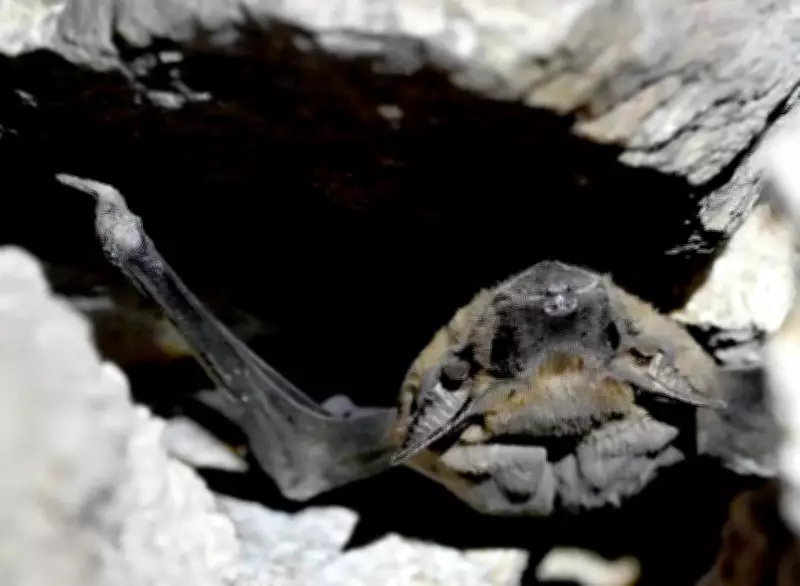
As visitors traversed the fort's crumbling gateways and bastions, they were immersed in historical narratives detailing the rise and fall of the Tughlaq dynasty. However, within the cool, dimly lit chambers, they encountered species seldom seen in the urban landscape of Delhi. Mouse-tailed bats, one of the 15 bat species documented in the city, were observed clinging to ceilings, while a solitary naked-rumped tomb bat added an element of discovery to the expedition.

Minimizing Disturbance for Wildlife Observation
Participants were guided in small, intimate groups, with ecologists employing red-filtered torches to minimize disturbance to the nocturnal inhabitants. This careful approach allowed for the observation of a fragile ecosystem thriving in these overlooked urban spaces, highlighting the delicate balance between human activity and wildlife preservation.
For Rohit Chakravarty, the walk served a dual purpose of raising awareness and promoting conservation. He emphasized bats as crucial contributors to the ecosystem, acting as natural pest controllers that reduce reliance on chemical pesticides. "It is a unique amalgamation of heritage and ecology. These protected monuments are also important habitats, and people need to observe wildlife with care and sensitivity," he stated, underscoring the interconnectedness of cultural and natural heritage.
Uncovering Forgotten Ecological Secrets
Vikramjit Singh Rooprai drew attention to the fort's intricate network of underground drains and tunnels, many of which were sealed during the British era. He suggested that these forgotten spaces might harbor additional ecological secrets, pointing to the untapped potential for further exploration and conservation efforts within historical sites.
The event coincided with International Bat Appreciation Day, which was celebrated a day earlier with the release of a fold-out publication detailing bat species in the Delhi-NCR region. A subsequent walk at Sunder Nursery introduced participants to bat detectors, enabling them to hear the otherwise inaudible sounds of nocturnal life, thereby deepening their understanding of these elusive creatures.
Broader Implications for Urban Conservation
This initiative not only enriched the World Heritage Day celebrations but also set a precedent for integrating ecological awareness into heritage tourism. By showcasing bats as vital components of urban ecosystems, the walk fostered a greater appreciation for wildlife conservation in densely populated areas, encouraging more sensitive and informed interactions with historical monuments.
The collaboration between historians and wildlife experts exemplifies a progressive approach to preserving both cultural and natural heritage, ensuring that future generations can appreciate the full spectrum of treasures hidden within India's historic sites.