Step into any theatre in Bengaluru on a typical evening, and you will be enveloped by a symphony of languages. Kannada, English, Hindi, and Bengali often intermingle, sometimes within a single performance. This rich, multilingual tapestry is not a recent trend but a fundamental part of the city's cultural identity, cultivated over decades by passionate artists, receptive audiences, and nurturing performance spaces.
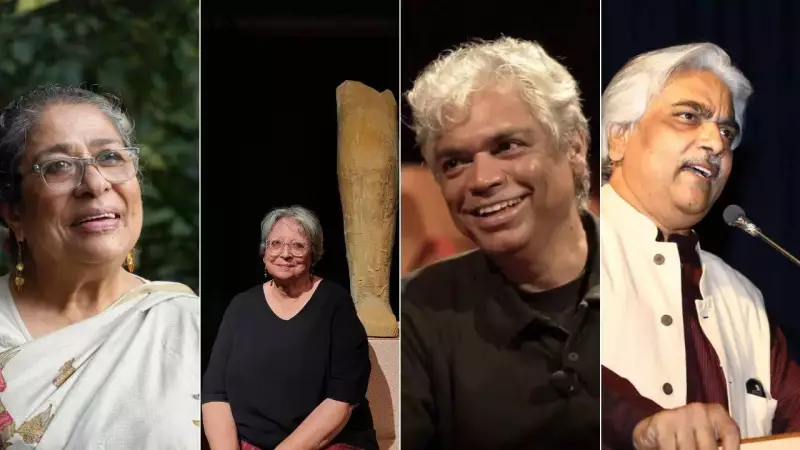
Veteran theatre practitioners Prakash Belawadi, Arundhati Nag, Arundhati Raja, and Zafer Mohiuddin reflect on the journey of Bengaluru's theatre scene, exploring what makes it unique and how it has adapted to changing times while preserving its core spirit.
The Golden Era: When Theatre Was the Main Spectacle
Prakash Belawadi recalls a period when theatre occupied a central role in Bengaluru's social life. "Before the early 1980s, there was no television, and cinema was one of the few other entertainments. Theatre was considered a major art form," he states. Theatre makers enjoyed national recognition, critics held significant sway, and directors were regarded as public intellectuals. While cautioning against romanticising the past, Belawadi notes that productions were seriously analysed, reviews were regular, and festivals drew large, eager crowds because live performance was a primary cultural window.

Arundhati Raja echoes this sentiment, remembering the vibrant energy of the 1980s and 1990s. "Theatre festivals would run to packed houses every single day," she says. She points out that today, factors like hectic traffic, demanding work schedules, and a plethora of entertainment options make such collective commitment more challenging to achieve.
The Shift to Audience-Driven Performance
A significant change, according to Prakash Belawadi, is in the nature of support. "Earlier, theatre was often supported by the establishment—governments or institutions. Now, support tends to be more ideological and partisan," he explains, citing his own preference to avoid government sponsorship. However, this shift has also ushered in a new freedom. "Theatre is free now. Audiences are willing to pay for what they find meaningful," he asserts.
He highlights the success of his production Parva, which saw packed houses in both Kannada and English, with Kannada shows selling out at ticket prices once deemed unthinkable. "As long as we rely on our audiences, we can do the theatre we want. Depend too much on sponsorship, and theatre becomes cautious, safe, and repetitive," Belawadi concludes.
Multilingualism: The City's Theatrical Backbone
Bengaluru's linguistic diversity on stage is a direct reflection of its history, says Prakash Belawadi. "Kempegowda, the founder of Bengaluru, wrote a Yakshagana in Telugu. The city has always been multilingual." This inherent openness continues to define its theatre. He believes that if a national theatre festival featuring 15 languages were held in Bengaluru, each language would find its audience, citing past examples like full houses for Punjabi Nagamandala and long-running English plays like Copenhagen.
"We should be proud of this city. Multilingual theatre enriches us—understanding other cultures sharpens our own sensibilities," he emphasises. Arundhati Nag agrees, calling India's linguistic diversity a "huge wealth." For her, multilingual theatre is not a passing trend but a natural continuation of India's age-old storytelling traditions, where epics are constantly reimagined across cultural lines.
The Crucial Role of Affordable Spaces and Engaged Audiences
The growth of theatre in Bengaluru is inextricably linked to the availability of performance venues. Arundhati Nag remembers the transformative impact of Ranga Shankara opening two decades ago. "Suddenly, there was an affordable space. New groups were born—soon there weren't enough stages for them all," she recalls. This shortage spurred the creation of alternative, intimate venues across the city. "Affordable spaces gave birth to new groups, and that's beautiful to see," Nag adds.

Arundhati Raja, a founder of Jagriti Theatre, notes how such spaces altered performance styles. "Jagriti isn't a proscenium stage. The audience is very close—actors can feel them. This pushed performers to move away from heavy sets and exaggerated styles. Small gestures and facial expressions began to matter more," she explains.
Zafer Mohiuddin, a Hindi theatre practitioner with over 40 years in Bengaluru, stresses the ongoing need for more affordable auditoriums. "We need at least five to ten halls with a 300–500 capacity in areas like Koramangala, HSR, and Yelahanka. Theatre people are ready, but halls are unaffordable," he says, crediting Ranga Shankara for sustaining the ecosystem but calling for "four Ranga Shankaras in different corners of Bengaluru."
This ecosystem is sustained by one of Bengaluru's greatest assets: its audience. "Audiences here are refreshing and deeply involved," says Arundhati Raja, noting that even international performers frequently praise Bengaluru for having among the most engaged audiences. This curiosity and willingness to experiment with language, form, and ideas have remained a constant through the city's evolution.
Preserving Craft and Camaraderie in a Changing Landscape
As the scene evolves, veterans share thoughtful concerns. Arundhati Nag worries about the dilution of foundational craft. "Gesture, diction, clarity of speech—these matter. Good acting isn't just looking casual," she says, hoping younger artists use technology wisely without forgetting theatre's core: live human presence.
Zafer Mohiuddin speaks of unwavering commitment. "You can't vanish midway because a short-term opportunity comes along. Dedication is what keeps theatre alive," he states. Despite challenges, optimism prevails. Arundhati Raja observes, "Bengaluru has always found ways to adapt. Theatre reflects society—and society here is constantly evolving."
What ultimately sets Bengaluru's theatre community apart, all four agree, is its collaborative, non-hierarchical spirit. "People act across groups," says Arundhati Nag. "You'll see the same actors at Ranga Shankara, Jagriti, Bangalore Little Theatre, and elsewhere. There's respect and collaboration." Actors often participate not primarily for fees but to make meaningful work happen. Zafer Mohiuddin, who has mentored generations, sees theatre first and foremost as a space for learning and passion, much like learning a classical instrument. While many still turn to film or television for livelihood, he notes a heartening trend of young artists choosing to remain rooted in theatre, driven by dedication to the art form.