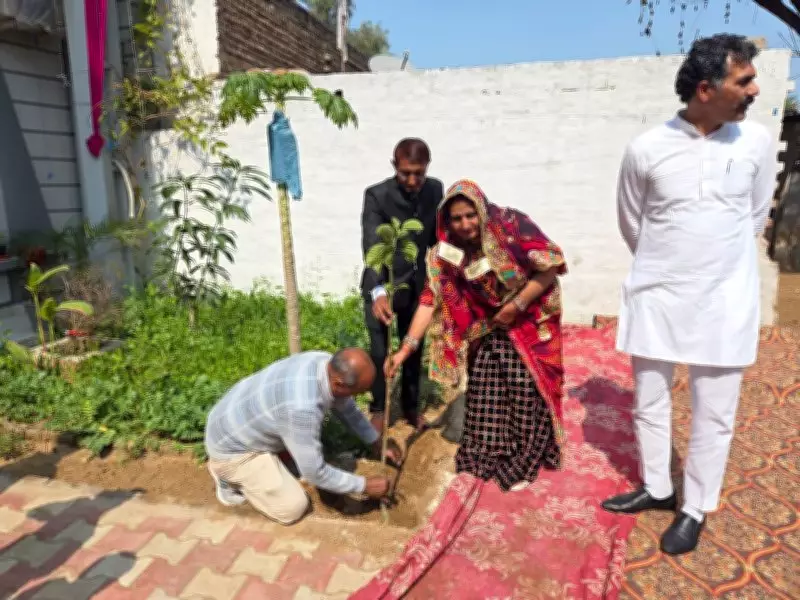
Bhiwani's Bhat Ceremony Embraces Eco-Friendly Tradition with Sapling Gifts
In a remarkable departure from conventional customs, a Bhat ceremony in Bhiwani, Haryana, has captured attention by substituting traditional gold gifts with saplings. This innovative approach not only honors cultural heritage but also champions environmental consciousness, setting a new precedent for community celebrations.
Redefining Rituals with Green Initiatives
The Bhat ceremony, a significant post-wedding ritual in many Indian communities, typically involves the bride's family presenting gold ornaments to the groom's relatives. However, in this Bhiwani event, organizers opted for a sustainable alternative, distributing various saplings to attendees. This shift aims to reduce the environmental impact associated with gold mining and promote greenery in urban and rural areas.
Key highlights of the ceremony include:

- Replacement of gold items with diverse plant saplings, such as neem, peepal, and fruit trees.
- Emphasis on long-term ecological benefits over material wealth.
- Engagement of local communities in tree-planting drives post-ceremony.
Community Response and Environmental Impact
Attendees and organizers have praised the initiative for its forward-thinking approach. By integrating environmental themes into cultural practices, the ceremony fosters awareness about sustainability issues. Experts note that such efforts can inspire similar changes in other regions, potentially reducing carbon footprints and enhancing green cover.
"This ceremony demonstrates how traditions can evolve to address contemporary challenges," remarked a local environmental activist. "Gifting saplings instead of gold not only conserves resources but also leaves a lasting legacy for future generations."
Broader Implications for Haryana and Beyond
The Bhiwani event aligns with broader environmental campaigns in Haryana, where initiatives like tree plantation drives and waste management programs are gaining traction. By blending cultural rituals with eco-friendly practices, it highlights the potential for grassroots movements to drive meaningful change.
As climate concerns escalate globally, such innovations in traditional ceremonies offer a model for combining heritage with sustainability, encouraging other communities to adopt similar green practices in their celebrations.