Bigfoot Sightings Surge in Northeast Ohio: Multiple Reports Spark Legend Revival
For decades, tales of mysterious creatures lurking in North American forests have captivated the public imagination. Now, a recent cluster of reports from northeast Ohio has thrust the legendary Bigfoot back into the spotlight, with multiple eyewitness accounts emerging from wooded communities between Akron and Youngstown over several days in early March.
The Current Wave of Ohio Bigfoot Encounters
According to Bigfoot enthusiasts who meticulously track such reports, numerous sightings were recorded in Portage County and surrounding areas of northeast Ohio. Communities including Mantua, Garrettsville, and Streetsboro featured prominently in eyewitness descriptions that painted a consistent picture of large, hairy figures moving through forests, along roadsides, and even near residential backyards.
Witnesses described the creatures as towering between six and ten feet tall with dark hair and long arms, matching the classic description of the elusive Sasquatch. In one particularly dramatic account, a driver traveling near the Tinkers Creek area reported that a tall, lean creature crossed the road directly in front of her vehicle. She claimed the figure was brown in color and tall enough to reach the roofline of her car, causing her to be too frightened to turn back.

Other reports described large figures moving through wooded trails or making strange sounds in forested areas late at night. One witness even reported that her family's German shepherd began "shaking with fear" after encountering something large outside their home. Because the reported creatures varied in height and color, some Bigfoot enthusiasts believe the sightings could involve more than one individual, with some suggesting the possibility of a small group moving through the region.
Understanding the Bigfoot Phenomenon
Bigfoot, also known as Sasquatch, is a legendary creature said to inhabit forests across North America. Typically described as a large, ape-like animal walking upright on two legs, witnesses often report it as extremely tall, heavily built, and covered with dark hair. Common characteristics include:
- Height ranging from six to ten feet
- Long arms and broad shoulders
- Large human-like footprints
- A strong musky odor reported by some witnesses
Despite these consistent descriptions, reports vary widely in details such as color, behavior, and body shape, adding to the mystery surrounding these alleged encounters.
Historical Context and Scientific Perspectives
Stories about large forest-dwelling beings existed long before the modern name "Bigfoot" became popular. Many Indigenous communities in North America have oral traditions describing powerful hairy beings living in remote forests. The modern legend gained wider public attention in the mid-twentieth century when large footprints were discovered at construction sites in northern California, with newspaper coverage helping popularize the term.
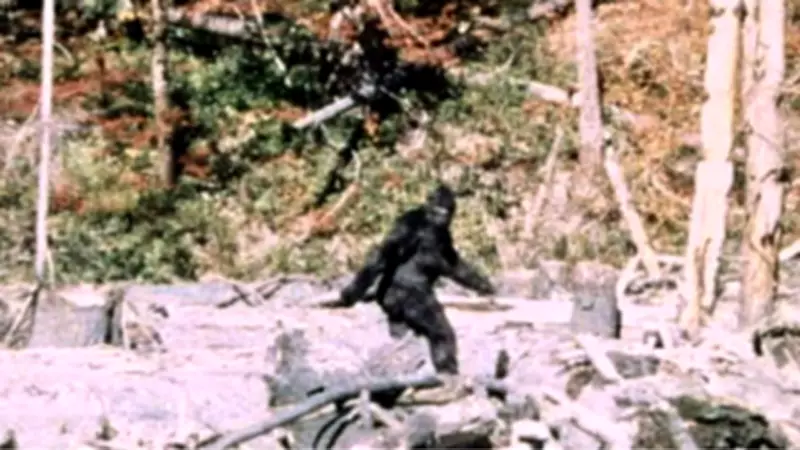
One of the most debated pieces of Bigfoot evidence remains the Patterson-Gimlin film recorded in 1967 in California. The footage shows a large, hairy figure walking through a forest clearing and briefly glancing toward the camera. Supporters argue that the creature's body proportions and walking pattern appear unusual for a person wearing a costume, while critics maintain it's likely a hoax involving someone in a suit.
Most scientists and wildlife experts emphasize there is no credible scientific evidence proving Bigfoot's existence. Researchers note that if a large unknown primate species lived in North American forests, there would likely be stronger physical evidence such as bones, clear DNA samples, or verified photographs—none of which have been conclusively documented. When alleged hair samples have been analyzed in laboratories, they typically turn out to belong to known animals like deer or bears.

Why Sightings Continue Despite Lack of Evidence
Researchers who study folklore and human perception suggest several reasons why Bigfoot reports persist even without scientific proof. Large animals such as bears can appear human-like when standing upright, and in dim light or dense forests, it can be difficult to judge the true size or identity of a moving animal. Cultural influence also plays a significant role—with Bigfoot deeply embedded in popular culture, unusual wilderness experiences are sometimes interpreted through that lens.
Occasionally, hoaxes contribute to the legend, with pranksters admitting to creating fake footprints or staged sightings. Social media can amplify this effect—when reports begin circulating online, other witnesses may become more likely to share similar experiences. Cryptozoologists sometimes refer to sudden bursts of sightings in one location as a "cryptid flap," meaning a brief period when multiple reports appear within a small geographic area.
The Cultural Significance and Ongoing Mystery
Some researchers argue that Bigfoot stories hold cultural value even if the creature itself doesn't exist. Anthropologists note that legends about mysterious beings living in remote landscapes appear in many cultures worldwide, often reflecting how humans understand wilderness environments and unexplained events. Wildlife scientists also point out that investigating unusual sightings sometimes leads to useful ecological observations about animals and habitats.
For now, the recent Ohio sightings remain unverified eyewitness reports without confirmed photographs, clear footprints, or other physical evidence. Still, this cluster of encounters has revived public fascination with one of North America's most enduring legends. Whether these reports ultimately prove to be misidentified animals, exaggerations, or stories shaped by folklore, the idea of Bigfoot continues to capture imagination and curiosity. The vast, mysterious forests of North America ensure such legends will likely continue to live on through stories like these.