

Bihar Government to Preserve Prehistoric Rock Paintings in Jamui for Research
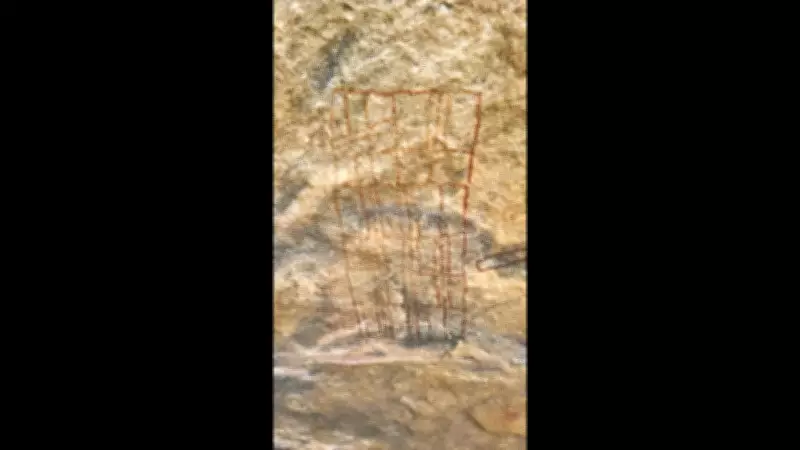
The Bihar state government has announced plans to preserve and protect a significant collection of prehistoric rock paintings discovered in the Giddheshwar hills of Jamui district. These ancient artworks, which date back to the Neolithic period, will be made available to scholars for in-depth research and analysis, aiming to uncover their historical and cultural significance.
Discovery and Survey Efforts
A detailed survey of the rock paintings was conducted by a team led by Divisional Forest Officer (DFO) Tejas Jaiswal and Patna Museum curator Ravi Shankar Gupta. The team, comprising forest officials from the Jamui division, meticulously examined all the paintings found in the Giddheshwar hills. They emphasized the urgent need for proper scientific preservation to prevent deterioration and ensure these artifacts remain intact for future generations.
Gupta revealed that these rock paintings, spanning from the Neolithic, Chalcolithic, and early historic periods (approximately 10,000-2,000 BCE), were initially discovered in 2022 during an archaeological survey under his direction. The findings were identified in rock shelters nestled within the dense forests of the Giddheshwar hills, highlighting the area's historical importance as a habitat for early humans.

Historical Significance and Artistic Details
Jayadeo Mishra, former head of the ancient Indian history and archaeology department at Patna University, provided insights into the paintings. He explained that they belong to a period when human societies were transitioning to farming and dairying practices. The artworks primarily utilize red ochre to depict a variety of subjects, including human figures, animals, birds, trees, plants, and geometric line drawings. Notable motifs include sun and circle designs, reflecting the artistic expressions and daily life of prehistoric communities.
Mishra further noted that these paintings are part of a broader prehistoric tradition in Bihar, with similar findings reported in regions like Kaimur and Nawada. The sites suggest that early humans used these rock shelters for shelter and created art during their leisure time, offering a glimpse into their social and cultural activities.
Future Research and Preservation Plans
The state government has committed to continuing archaeological investigations into these rock paintings. Gupta stated that further research will be conducted to shed more light on their historical context and significance. This initiative aims to not only preserve the physical artifacts but also to enhance our understanding of Bihar's rich prehistoric heritage.
By making these paintings accessible to scholars, the government hopes to foster detailed studies that could reveal new insights into early human life in the region. The preservation efforts are expected to include measures to protect the sites from environmental damage and unauthorized access, ensuring their longevity for academic and public interest.






