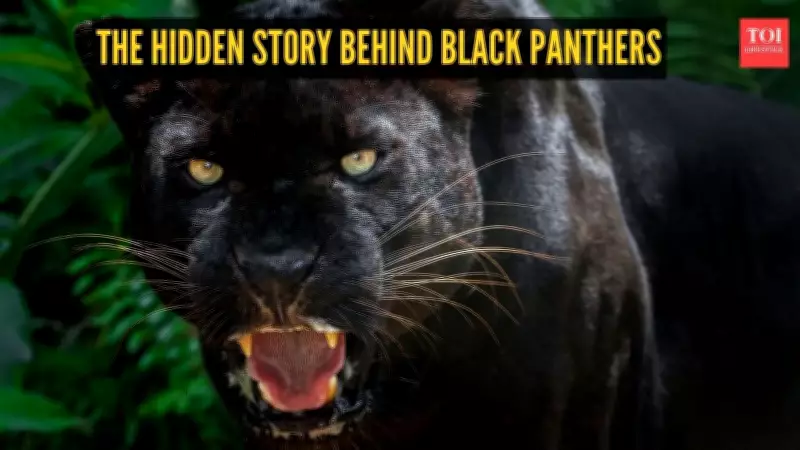
Every few months, a photograph of a black panther makes the internet stop for a moment. A dark figure emerges from the shadows. The eyes catch the light. The image spreads rapidly, followed by the same questions: How rare are they? Where do they live? And what exactly is a black panther? The answer catches many people off guard.
Despite the name, a black panther is not a separate species of big cat. In fact, one of the world's most recognizable wild animals is also one of its most misunderstood. Behind that striking appearance is a story of genetics, survival, and adaptation that has fascinated wildlife experts for decades. Here are five facts that reveal what makes black panthers so remarkable.
The name doesn't tell the whole story
Many people assume black panthers belong to a species of their own. They don't. The term is used for leopards and jaguars that have an unusually dark coat. In Africa and much of Asia, black panthers are generally leopards. Across Central and South America, they are usually jaguars. The animal itself isn't different from its relatives. What sets it apart is its appearance.

Their spots are still there
At first glance, their fur appears completely black. Look carefully under sunlight, however, and another detail begins to emerge. The familiar rosette-shaped markings seen on leopards and jaguars remain visible beneath the dark pigmentation. These subtle patterns are one of the reasons black panthers continue to intrigue wildlife photographers and researchers alike.
A rare genetic trait gives them their colour
Their appearance is the result of melanism, a genetic condition that causes an increased production of dark pigment. Scientists believe this trait may be beneficial in dense forests, where blending into low-light surroundings can offer an advantage while moving through vegetation or stalking prey. What appears unusual to us may actually serve a practical purpose in the wild.
They are masters of staying unseen
Black panthers are not built around speed alone. Their greatest strength is patience. They rely on stealth, careful timing, and their ability to move quietly through their surroundings. Often, prey has little idea a predator is nearby until it is too late. That combination of power and precision has helped big cats remain among nature's most successful hunters.
A sighting is something few people forget
Even in regions where black panthers are known to exist, encounters are uncommon. They tend to avoid human activity and are exceptionally difficult to spot in thick vegetation. Their dark colouring only adds to the challenge. That's why a single image captured in the wild can generate excitement among wildlife enthusiasts around the world.
Images: Canva (for representative purposes only)
About the Author: The TOI Lifestyle Desk is a dynamic team of dedicated journalists who, with unwavering passion and commitment, sift through the pulse of the nation to curate a vibrant tapestry of lifestyle news for The Times of India readers. At the TOI Lifestyle Desk, we go beyond the obvious, delving into the extraordinary. Consider us your lifestyle companion, providing a daily dose of inspiration and information. Whether you're seeking the latest fashion trends, travel escapades, culinary delights, or wellness tips, the TOI Lifestyle Desk is your one-stop destination for an enriching lifestyle experience.