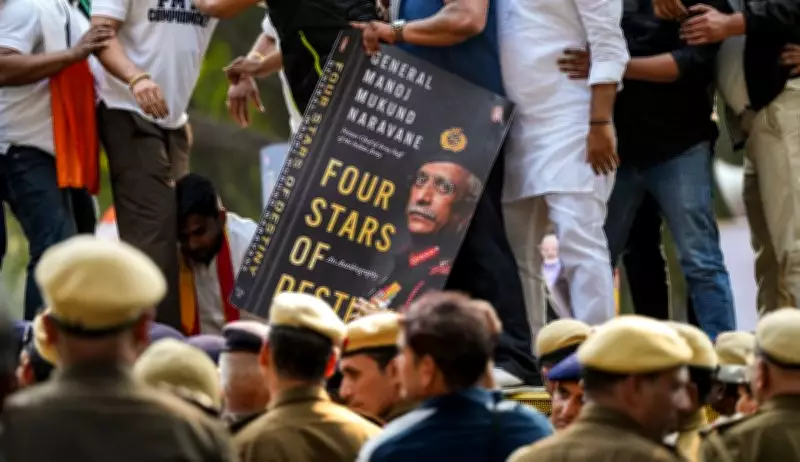
The Complex Debate on Book Bans: Censorship, Culture, and Freedom
In recent years, the issue of book bans has sparked intense debate across the globe, raising critical questions about freedom of expression, cultural sensitivity, and the role of censorship in modern society. This phenomenon involves the removal or restriction of books from libraries, schools, or public access, often driven by concerns over content deemed inappropriate, offensive, or politically sensitive. As societies grapple with these challenges, the implications for literary freedom and democratic values come under scrutiny.
Historical Context and Modern Manifestations
Book bans are not a new phenomenon; they have a long history rooted in efforts to control information and shape public discourse. In the past, such bans were often imposed by authoritarian regimes or religious institutions to suppress dissenting views or controversial ideas. Today, the landscape has evolved, with bans frequently emerging from community-led initiatives, educational policies, or government regulations aimed at protecting certain values or groups. This shift reflects broader societal tensions between preserving cultural norms and embracing diverse perspectives.
Key Arguments For and Against Book Bans
Proponents of book bans argue that they are necessary to shield vulnerable audiences, such as children, from harmful or explicit content. They emphasize the importance of maintaining moral standards and preventing the spread of ideas that could incite violence or discrimination. For instance, books with themes of hate speech or graphic violence are often targeted to uphold community safety and harmony.

On the other hand, opponents contend that book bans infringe upon fundamental rights to free speech and intellectual exploration. They warn that such measures can lead to a slippery slope of censorship, stifling creativity and limiting access to important historical or social narratives. Critics also point out that bans often disproportionately affect marginalized voices, reinforcing existing power structures and hindering progress toward inclusivity.
Impact on Society and Culture
The effects of book bans extend beyond individual readers to shape broader cultural and educational landscapes. In schools, for example, restrictions on certain texts can limit students' exposure to diverse viewpoints, potentially hindering critical thinking and empathy development. Libraries and publishers may face economic and logistical challenges when complying with bans, affecting the availability of literature for the public.
Moreover, book bans can influence national and global conversations about identity, history, and politics. By silencing specific narratives, they risk creating gaps in collective understanding and perpetuating misinformation. This dynamic highlights the delicate balance between regulation and freedom, as societies strive to navigate complex issues without compromising democratic principles.
Case Studies and Global Perspectives
Around the world, book bans take various forms, reflecting local cultural and political contexts. In some countries, governments impose strict controls on literature to enforce ideological conformity, while in others, grassroots movements drive bans based on community values. Examining these cases reveals patterns of how censorship intersects with issues like religion, ethnicity, and gender, offering insights into the universal struggle for literary autonomy.
Moving Forward: Solutions and Considerations
Addressing the challenges posed by book bans requires a nuanced approach that respects both individual freedoms and societal concerns. Potential solutions include:

- Promoting Dialogue: Encouraging open discussions between stakeholders, such as educators, parents, and authors, to find common ground on contentious content.
- Implementing Rating Systems: Developing clear guidelines or age-appropriate ratings for books, similar to those used in film and media, to help readers make informed choices.
- Supporting Diverse Voices: Investing in platforms that amplify underrepresented perspectives, reducing the need for bans by fostering a more inclusive literary ecosystem.
Ultimately, the debate on book bans underscores the ongoing tension between protection and expression. As technology and globalization continue to reshape how we access information, finding sustainable ways to uphold freedom while addressing legitimate concerns will remain a critical task for policymakers, educators, and citizens alike.