Holi 2026: Celebrating the Triumph of Good Over Evil Across India
Holi stands as one of the most vibrant and widely celebrated Hindu festivals in India, marked by immense enthusiasm and fervor nationwide. This colorful festival symbolizes the victory of good over evil, bringing communities together in a joyous display of unity and happiness. Celebrated on the Purnima Tithi in the month of Phalguna, Holi in 2026 will be observed on March 4, with preparations and regional traditions adding depth to the festivities.
The Unique Braj Holi: A 10-Day Extravaganza
The Holi celebration in the Braj region, encompassing areas like Mathura, Vrindavan, Barsana, and Gokul, is renowned for its distinctive and engaging 10-day festival. These sacred locations hold historical significance as the childhood haunts of Lord Krishna, attracting not only domestic devotees but also international visitors eager to experience the magic of Holi. The Braj Holi offers a glimpse into rich cultural heritage through a series of unique events.
Braj Holi 2026: Detailed Calendar and Events
The Braj Holi festivities for 2026 commence on February 24 and conclude on March 5, featuring a diverse array of traditional celebrations. Below is the schedule highlighting key events:

- February 24, Tuesday: Laddu Mar Holi at Sriji Temple, Barsana
- February 25, Wednesday: Barsana Lathmaar Holi
- February 26, Thursday: Nandgao Lathmaar Holi at Nand Bhawan
- February 27, Friday: Phoolon wali Holi or Rangbhari Ekadashi at Banke Bihari, Vrindavan, and Mathura Temple Holi at Krishna Janmabhoomi
- March 1, Sunday: Gokul Chhadimaar Holi at Raman Reti
- March 2, Monday: Widow Holi at Gopinath Temple, Vrindavan
- March 3, Tuesday: Holika Dahan at Vishram Ghat and Dwarikadhish
- March 4, Wednesday: Rangwali Holi or Dhulandi
- March 5, Thursday: Dauji ka Huranga at Dauji Temple, Baldev
Signature Traditions of Braj Holi
Each event in the Braj Holi calendar carries its own unique charm and cultural significance:
- Laddu Holi in Barsana: Celebrated at the Radha Rani temple, this sweet tradition involves participants playfully showering each other with laddus (sweets), creating a delightful and sugary celebration.
- Lathmar Holi in Barsana and Nandgaon: An exclusive Braj tradition where women engage in a playful mock battle, hitting men with sticks while men defend themselves with shields, symbolizing camaraderie and fun.
- Phoolon Wali Holi in Vrindavan: This gentle version of Holi eschews synthetic colors in favor of flowers and petals, offering a fragrant and eco-friendly alternative that highlights the region's natural beauty.
- Widow Holi in Vrindavan: A progressive celebration that breaks age-old taboos by inviting widows to participate in color play, promoting inclusivity and challenging traditional restrictions.
- Rangbhari Ekadashi: A spiritually significant day when devotees offer gulal (colored powder) to Lord Krishna in temples, marking the onset of colorful festivities.
- Holika Dahan: On the eve of Holi, bonfires are lit across the region, representing the burning of evil and the triumph of righteousness, accompanied by prayers and rituals.
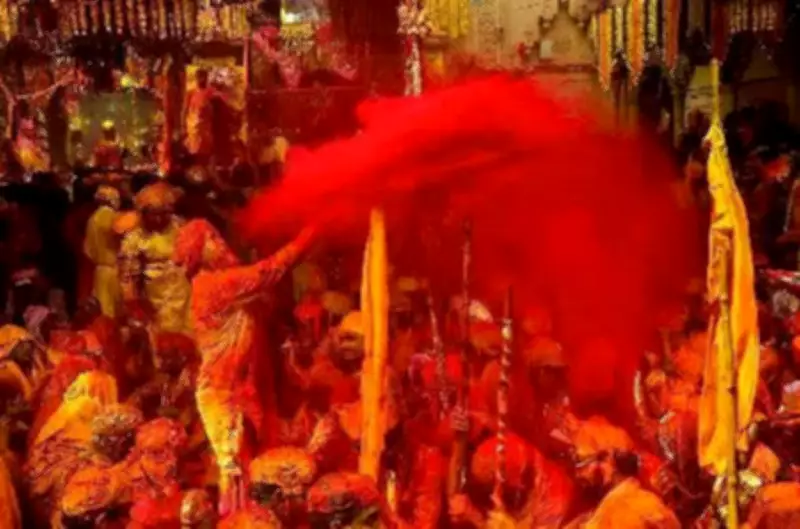
- Rangwali Holi: The main day of celebration, where streets come alive with vibrant gulal, devotional music, and bhajans, transforming Mathura and Vrindavan into a kaleidoscope of joy and devotion.
The Braj Holi of 2026 promises to be a mesmerizing experience, blending spiritual depth with exuberant celebrations. From the playful Laddu Holi to the transformative Widow Holi, these traditions not only entertain but also reinforce cultural values and social harmony. As Holi approaches, the anticipation builds for this spectacular festival that continues to captivate hearts across the globe.