Bukhara's Cutlery Policy Ignites Social Media Debate on Tradition and Choice
A seemingly simple dining experience at Delhi's iconic restaurant Bukhara has evolved into a widespread social media discussion about cultural practices, personal preferences, and the boundaries of tradition in modern dining spaces. The conversation began when a startup founder shared his unexpected encounter with the restaurant's approach to cutlery, revealing deeper questions about how establishments balance heritage with customer comfort.
The Viral Dining Anecdote That Started It All
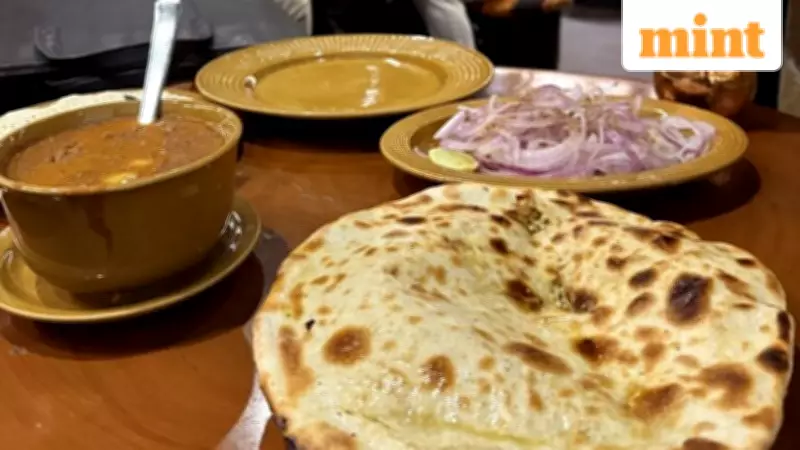
Jasveer Singh, founder of Knot Dating, took to social media platform X to describe his recent visit to the celebrated North Indian eatery, renowned for its rustic ambiance and traditional style of serving food meant to be eaten by hand. According to Singh's account, when he requested cutlery during his meal, the restaurant manager politely informed him that only spoons were permitted at the establishment.
The situation took an interesting turn when the manager, perhaps sensing hesitation, casually mentioned that several former U.S. presidents—including Bill Clinton, Barack Obama, and Donald Trump—had all dined at Bukhara using their hands during their visits. Singh interpreted this additional information as a form of subtle "reverse pressure" rather than a straightforward explanation of restaurant policy.

"Asked for cutlery at Bukhara. Manager said sir spoon is allowed here—then casually added Clinton, Obama, Trump ate by hand here. Rest is up to you," Singh wrote in his post, adding a tongue-in-cheek remark that the moment felt like being asked, "Tum kya America se aaye ho?" (Are you from America?).
Social Media Weighs In: Tradition Versus Imposition
The post quickly gained significant traction online, with users passionately debating whether Bukhara's stance represented a celebration of cultural heritage or an unnecessary imposition on diners' preferences.
Some social media users found the restaurant's approach clever and appropriate. "Hahaha reverse psychology definitely works," commented one user, while another pointed out practical considerations: "You can't eat naan with a spoon. Just like you can't eat burger with a spoon. It's just common sense."
A third user shared broader observations about the restaurant's service culture: "Bukhara's waiters have had—for decades—much more attitude than most of their illustrious, genuinely accomplished diners! It is the only restaurant I have enjoyed showing some of them their place more than once."
However, other participants in the discussion expressed concerns about pressuring diners. One user wrote: "It's okay. I think restaurants don't need to be so Nazi about imposing how diners eat. Imagine going to China, Korea or Japan and restaurants refusing Indians spoons and fork and imposing chopsticks."
The Broader Cultural Conversation
This episode has resonated widely because it touches upon a familiar urban dilemma in contemporary India: where does cultural authenticity end and individual choice begin? For countless Indians, eating with hands represents more than just a dining method—it's second nature, deeply rooted in tradition, and often considered an integral part of the culinary experience.
Simultaneously, modern dining establishments, particularly in cosmopolitan cities like Delhi, increasingly cater to diverse preferences and international sensibilities. This creates natural tension between preserving traditional practices and accommodating varied customer expectations.
Bukhara, which has hosted numerous global leaders and celebrities over several decades, has built its reputation not just on exceptional North Indian cuisine but also on proudly maintaining its distinctive style of service. This approach is frequently highlighted as a marker of authentic Indian culinary heritage, creating an experience that many patrons specifically seek out.
The restaurant's mention of former U.S. presidents dining there without cutlery adds another layer to the discussion, suggesting that even world leaders have embraced this aspect of Indian dining culture during their visits.

This incident illustrates how everyday dining experiences can spark meaningful conversations about cultural identity, globalization's impact on local traditions, and the evolving nature of hospitality in a rapidly changing society.
This report is based on user-generated content from social media platforms. The information presented has not been independently verified by editorial sources.