Centre Greenlights Major Archaeological Excavations Across Tamil Nadu
The Government of India has officially sanctioned archaeological excavations at eight prominent sites in the southern state of Tamil Nadu. This significant decision is poised to unlock new insights into the region's ancient history and cultural legacy, with excavations set to commence under the supervision of the Archaeological Survey of India (ASI).
Focus on Uncovering Historical Artifacts and Structures
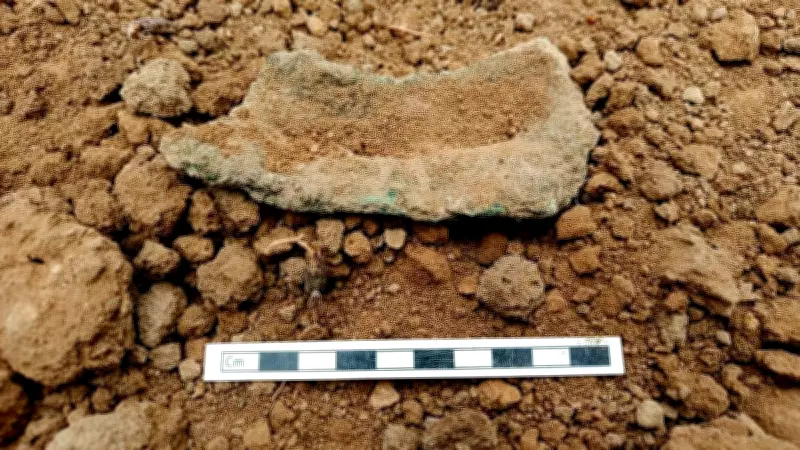
The approved sites span various districts in Tamil Nadu, each selected for its potential to yield valuable historical artifacts, inscriptions, and structural remains. These excavations aim to systematically explore layers of soil and sediment to retrieve objects that can shed light on past civilizations, trade routes, and societal practices in the region.
Key objectives include:

- Documenting and preserving archaeological findings for future research.
- Enhancing public awareness and appreciation of Tamil Nadu's heritage.
- Contributing to academic studies and historical narratives.
Implications for Cultural Heritage and Tourism
This initiative is expected to have a positive impact on cultural heritage conservation and tourism in Tamil Nadu. By uncovering and preserving historical sites, the excavations could attract scholars, historians, and tourists, thereby boosting local economies and fostering a deeper connection with the state's past.
Experts believe that these efforts will not only enrich India's archaeological record but also promote sustainable heritage management practices.
Collaborative Efforts and Future Prospects
The excavations will involve collaboration between central and state authorities, ensuring that all activities adhere to established archaeological protocols and environmental guidelines. Future phases may include additional sites based on preliminary findings and ongoing assessments.
As work progresses, updates on discoveries and their historical significance will be shared with the public, highlighting Tamil Nadu's role in India's broader cultural tapestry.