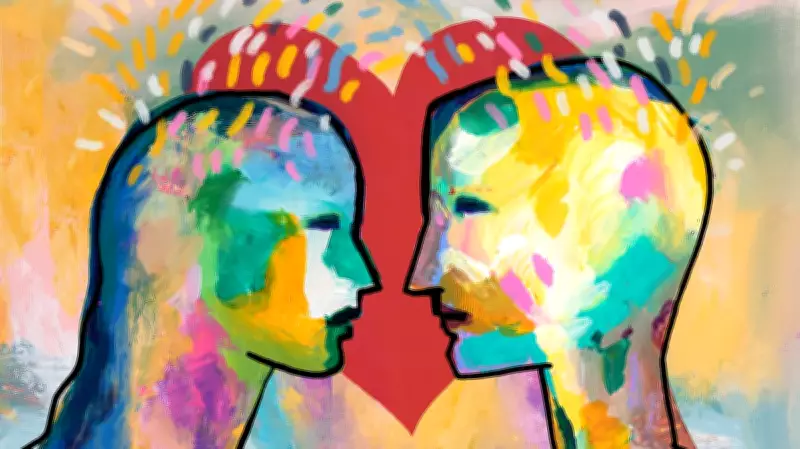
In a world where connections are increasingly digital and fast-paced, the concept of love is undergoing a profound transformation. The traditional map of love, once drawn with clear lines of courtship, marriage, and lifelong partnership, is now being redrawn with more fluid and diverse pathways. This article delves into the changing dynamics of love and relationships, exploring how individuals navigate affection, commitment, and intimacy in contemporary society.
The Evolution of Romantic Love
Historically, love was often intertwined with social and economic considerations. Marriages were alliances, and romance was a luxury afforded by the few. However, the 20th century witnessed a shift toward love as a personal choice, driven by emotional fulfillment. Today, the map of love is even more complex, influenced by technology, globalization, and evolving gender roles.
Digital Love and Dating Apps
The rise of dating apps has revolutionized how people meet and form connections. Swipe culture offers an abundance of choices, but it also raises questions about the depth of relationships. While some find lasting love through apps, others experience a paradox of choice, where endless options lead to commitment phobia. The digital landscape has created new norms, such as ghosting and breadcrumbing, which challenge traditional notions of courtship.

Redefining Commitment
Modern relationships are no longer confined to the binary of single or married. Many opt for cohabitation, open relationships, or polyamory, seeking emotional connections without conventional labels. The concept of 'friends with benefits' has become mainstream, blurring the lines between friendship and romance. This redefinition of commitment reflects a broader societal acceptance of diverse relationship structures.
Cultural and Generational Shifts
Attitudes toward love vary across cultures and generations. In many parts of Asia, arranged marriages coexist with love marriages, blending tradition and modernity. Meanwhile, younger generations prioritize personal growth and career stability, often delaying marriage. The map of love is not universal; it is shaped by cultural norms, economic factors, and individual aspirations.
The Role of Emotional Intelligence
As relationships become more nuanced, emotional intelligence plays a crucial role. The ability to communicate, empathize, and manage conflict is essential for navigating the complexities of love. Workshops and therapy are increasingly sought to build these skills, highlighting a shift toward intentional relationship-building.
Conclusion
Charting the map of love today requires embracing ambiguity and respecting individuality. There is no single path to happiness; instead, the journey is personal and ever-evolving. By understanding the forces shaping modern love, we can better navigate its challenges and celebrate its diverse expressions.