Chinese New Year 2026: A Time for Spiritual Renewal and Releasing Negativity
As the Lunar New Year approaches, towns across the globe are set to be painted in vibrant red hues, with celebrations just around the corner. This year, Chinese New Year will commence on February 17, 2026, and continue through March 3, 2026. Beyond the festive joy and renewal, this occasion holds deep spiritual significance, rooted in ancient rituals designed to release past negativity and usher in prosperity. These practices, derived from Taoist philosophy and folk beliefs, offer a powerful reset for individuals and families, helping them shed emotional baggage, stagnant energy, and misfortunes from the previous year.
Pre-Festival Deep Cleaning: Sweeping Away Negativity
One of the foremost rituals preceding the New Year is a thorough house cleaning, known as dà sǎo chú. This practice involves sweeping away dust, which symbolically removes negativity, bad fortune, and trapped qi, or life energy. Families meticulously scrub every corner of their homes before New Year's Eve, aiming to expel hardships such as debts or conflicts. By creating a clean and open space, this ritual paves the way for positivity and prosperity to flow in, setting a fresh start for the year ahead.
Kitchen God Ascension: Seeking Karmic Forgiveness
Another vital ritual for renewal involves the ascension of the Kitchen God, Zao Jun. On the 23rd day of the 12th lunar month, families clean their altars and offer sweets to this deity. By burning a paper effigy, they symbolically release family flaws accumulated over the year, seeking karmic forgiveness. This act is believed to help in shedding past negativity and inviting new cosmic energy, fostering a sense of spiritual cleansing and renewal as the New Year dawns.

Bathing Rituals: Purifying the Aura
A simple yet effective method to purify and cleanse the aura is taking a bath with pomelo leaves or herbs. This ritual, historically tied to the rarity of baths, washes away personal negativity, akin to spiritual exfoliation. By refreshing the body and aura, it prepares individuals for the new cycle, allowing them to enter the New Year with a cleansed and revitalized spirit, free from the burdens of the past.
Discarding the Old on the Sixth Day: Banishing Poverty
According to ancient texts, the sixth day of the New Year, known as "Horse Day," involves throwing out festival garbage to banish the "Ghost of Poverty." This metaphorical act discards poverty and strife, symbolizing the release of financial and emotional hardships. By physically removing old items, families aim to let go of negativity and make room for abundance and harmony in the coming year.
Red Decorations and Fireworks: Warding Off Evil Spirits
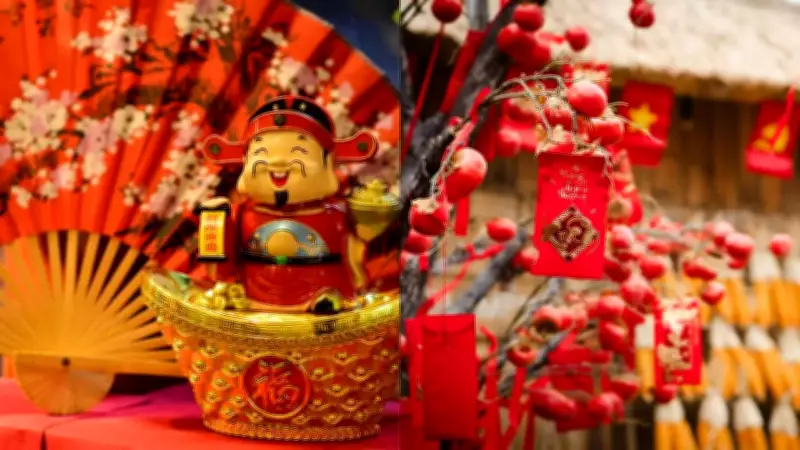
Hanging red lanterns and couplets, along with setting off explosive fireworks, plays a crucial role in shattering lingering evil spirits, such as the mythical beast Nian. The vibrant energy of red transmutes fear into joy, inviting positive qi into homes and communities. These decorations and sounds are not just festive elements but powerful tools for cleansing negativity and fostering a joyful, prosperous atmosphere for the New Year.