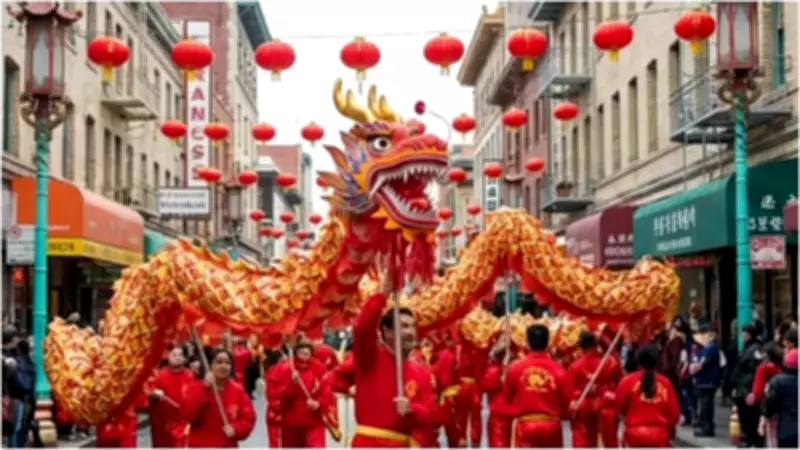
Chinese Lunar New Year Taboos: Cultural Beliefs for Luck and Prosperity
People worldwide eagerly anticipate the Chinese Lunar New Year, a time symbolizing new beginnings, wealth accumulation, and renewal. This vibrant festival is celebrated with family gatherings, lavish meals, and cherished traditions. However, cultural taboos play a significant role, as many believe that certain actions during this period can influence their luck for the entire year. These taboos, though varying slightly across families and regions, share common themes aimed at fostering prosperity and harmony.
Key Taboos and Their Origins
Here are some of the most observed taboos during the Chinese Lunar New Year and the reasons behind them:
- Avoid Cleaning or Sweeping on New Year's Day: Traditionally, it is believed that cleaning on the first day of the Lunar New Year might "sweep away" money and good fortune. To prevent this, many families thoroughly clean their homes before New Year's Eve, making space for positive energy and blessings to enter.
- Refrain from Lending or Borrowing Money: People avoid financial transactions, as lending or borrowing money is thought to lead to debt at the start of the year. This taboo stems from concerns that such actions could trigger ongoing financial struggles in the months ahead.
- Steer Clear of Conflicts and Harsh Words: It is considered inauspicious to engage in fights, yelling, or using offensive language. During the initial days of the new year, families strive to maintain peace, exchanging kind words to promote harmony and goodwill.
- Prevent Breaking Glass or Dishes: Accidentally breaking objects is viewed as a sign of impending bad luck. In some cultures, if a break occurs, reciting positive affirmations is recommended to counteract the negative omen.
- Avoid Getting a Haircut on New Year's Day: Most people refrain from cutting their hair, fearing it could diminish their good luck or wealth. Consequently, many schedule haircuts before the New Year to adhere to this belief.
- Do Not Wear White or Black Clothing: In Chinese culture, black and white are associated with mourning and death. Instead, wearing red and other bright colors is encouraged, as they symbolize happiness, good fortune, and prosperity.
- Take Medicine Only When Necessary: Historically, taking medicine on New Year's Day was thought to invite illness throughout the year. While this is a symbolic belief, experts emphasize that medical needs should never be ignored for the sake of tradition.
Cultural Significance and Modern Adaptations
These customs are not merely superstitions; they are deeply rooted in cultural traditions and symbolic meanings. Experts note that such practices reflect values like family unity, financial prudence, and positive thinking. In contemporary times, many families selectively follow these taboos, blending old traditions with new practices to create personalized celebrations. This adaptability highlights the enduring relevance of the Chinese Lunar New Year as a time for reflection, connection, and hope for a prosperous future.