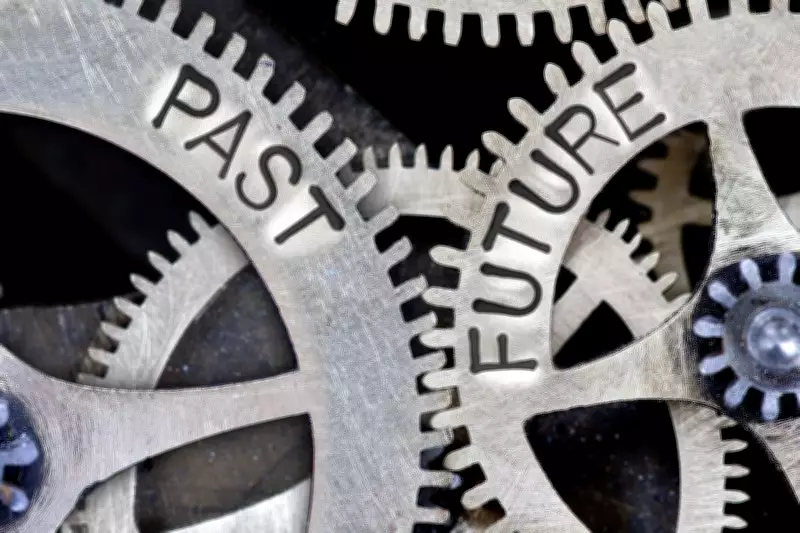
Unravelling the Past: How Chronology Unlocks Causation in Indian History
In the vast and intricate tapestry of Indian history, the establishment of precise timelines and chronological sequences serves as a fundamental key to unlocking the deeper understanding of causation and interconnected events. This analytical approach goes beyond mere date-memorization, delving into how the order of historical occurrences directly influences and explains the causal relationships that have shaped the subcontinent's narrative over millennia.
The Critical Role of Chronological Frameworks
Chronology in Indian history is not just about listing events in a linear fashion; it is about constructing a coherent framework that reveals the cause-and-effect dynamics between periods, movements, and societal transformations. By meticulously arranging historical data—from the Indus Valley Civilization to the Vedic Age, the Mauryan and Gupta Empires, the Delhi Sultanate, Mughal rule, and the British colonial era—historians can identify patterns, triggers, and consequences that might otherwise remain obscured.
For instance, understanding the chronological progression from the early medieval period to the Delhi Sultanate helps explain the socio-political shifts that led to the consolidation of Islamic rule in North India. Similarly, placing the Bhakti and Sufi movements within their specific time contexts illuminates how they influenced religious syncretism and cultural integration, setting the stage for later developments.

Chronology as a Tool for Causal Analysis
The application of chronology enables historians to move beyond descriptive accounts to analytical interpretations of causation. By examining events in sequence, researchers can trace how economic policies, such as those during the Mughal era, directly impacted agricultural practices and trade networks, which in turn affected social structures and political stability. This method highlights the interconnectedness of factors like climate changes, technological advancements, and foreign invasions, showing how they collectively drove historical change.
Moreover, chronology aids in debunking myths and correcting historical inaccuracies. For example, by establishing accurate timelines for the construction of temples and forts, scholars can better assess the cultural and political motivations behind these projects, revealing insights into ruler ideologies and regional power dynamics. This precision is crucial for understanding complex episodes like the Indian Rebellion of 1857, where a detailed chronological account helps unravel the multifaceted causes, from economic grievances to political discontent.
Challenges and Innovations in Historical Chronology
Despite its importance, establishing a reliable chronology for Indian history presents significant challenges due to fragmented records, diverse sources, and regional variations. Historians must navigate through:
- Archaeological evidence, such as inscriptions and artifacts, which provide tangible but often incomplete data.
- Literary sources, including ancient texts and chronicles, which may contain biases or chronological ambiguities.
- Oral traditions and folklore, which offer cultural insights but require careful cross-referencing with other evidence.
Recent advancements in technology, such as radiocarbon dating and digital archives, have revolutionized chronological studies, allowing for more accurate dating and the integration of multidisciplinary approaches. These innovations enable a more nuanced analysis of causation, linking events across different spheres—economic, social, political, and cultural—to paint a comprehensive picture of India's historical evolution.
Implications for Modern Historical Understanding
The emphasis on chronology in Indian history has profound implications for contemporary scholarship and public awareness. By clarifying causal relationships, it fosters a deeper appreciation of how past events have shaped present-day India, from its political institutions to its cultural diversity. This approach encourages critical thinking and a move away from simplistic narratives, promoting a more holistic and evidence-based understanding of the nation's heritage.

In educational contexts, teaching history through a chronological lens helps students grasp the continuity and change over time, enhancing their ability to analyze historical processes and their outcomes. For policymakers and cultural practitioners, insights gained from chronological analysis can inform decisions related to heritage conservation, historical research, and national identity formation.
Ultimately, unravelling the past through chronology is not just an academic exercise; it is a vital endeavor that enriches our comprehension of causation in Indian history, offering valuable lessons for the future. By meticulously piecing together the timeline of events, we gain a clearer vision of the forces that have driven India's journey through the ages, highlighting the enduring relevance of historical inquiry in understanding human societies.