Crows in Hindu Mythology: Spiritual Messengers Between Worlds
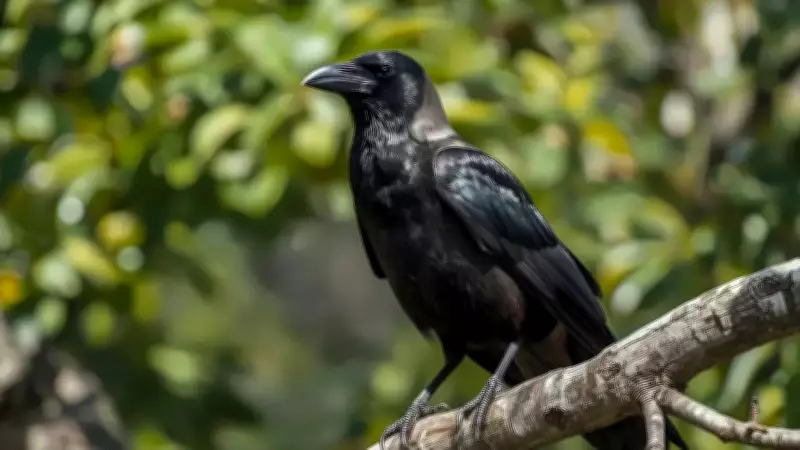
While crows are often perceived negatively in many cultures, symbolizing darkness and death, Hindu mythology and Vedic traditions present a profoundly different perspective. These intelligent birds are revered as sacred connectors between the living world and the spiritual dimension of Pitru Loka, the ancestral realm. This deep spiritual significance transforms the crow from a mere bird into a vital participant in rituals and karmic cycles.
Why Are Crows Linked to Ancestors?
In Hindu culture, crows hold a position of reverence, particularly during important rituals such as Shraddha and Pitru Paksha. Their distinctive black plumage is not seen as ominous but rather as a symbol of the unseen spiritual dimension that exists beyond ordinary perception. The omniscient cawing of crows is believed to act as a bridge across karmic cycles, carrying offerings and messages from the living to ensure ancestral peace and blessings for descendants. This connection underscores the crow's role as a mediator between generations.
Messengers from Pitru Loka
According to Vedic traditions and ancient texts, crows are thought to embody the souls of departed ancestors. It is believed that after death, these forebears arrive in the form of crows to partake in Pinda daan, the ritual offering of rice balls during ancestral rites. The acceptance or refusal of this offering by a crow carries significant spiritual weight. If a crow eats the offering, it signals the satisfaction and contentment of the ancestors. Conversely, refusal serves as a warning of unresolved karma, urging the living to perform further remedies to address these spiritual imbalances.

Ancestral Souls and Family Bonds
Crows are considered vahanas, or vehicles, for Pitri, the ancestral spirits, as they temporarily enter the material plane. Ancient scriptures like the Garuda Purana describe how gatherings of crows at shraddh sites are often drawn by deep family bonds and spiritual connections. This presence reinforces the idea that crows are not random visitors but purposeful participants in maintaining familial and spiritual continuity across lifetimes.
Shani Dev and the Karmic Connection
Crows are intricately linked to Saturn, known as Shani Dev in Hindu astrology, representing discipline, karma, and transformation. Feeding crows on Saturdays is a common practice believed to mitigate Shani dosha, resolve pitri dosha, and address ancestral curses that may cause delays or misfortune in life. This act fosters humility and service, aligning with the karmic principles of balance and spiritual growth. By honoring crows, individuals seek to harmonize their karmic debts and invite positive transformations.
Family Unity and Protective Guides
The presence of crows during family meals or festivals is often interpreted as a sign of ancestral approval, reinforcing lineage continuity and unity. In Ramayana lore, crows are depicted as warning figures, alerting characters to dangers and thus mirroring their role as protective guides. They are seen as vigilant watchers over family prosperity and health, ensuring that ancestral blessings flow smoothly to the living generations.
Ritual Benefits and Spiritual Practices
Honoring crows in Hindu mythology is believed to clear blockages related to progeny, wealth, and harmony. Daily offerings of grains or water to crows accumulate punya, or spiritual merit, preventing doshas and inviting pitri blessings. These practices are considered especially potent during Amavasya, the new moon day, when the connection to the ancestral realm is strongest. By engaging in these rituals, devotees aim to maintain a harmonious relationship with their ancestors, ensuring ongoing spiritual support and guidance.