Debate Intensifies: Why Are Hindus Restricted from Entering Madrasas?
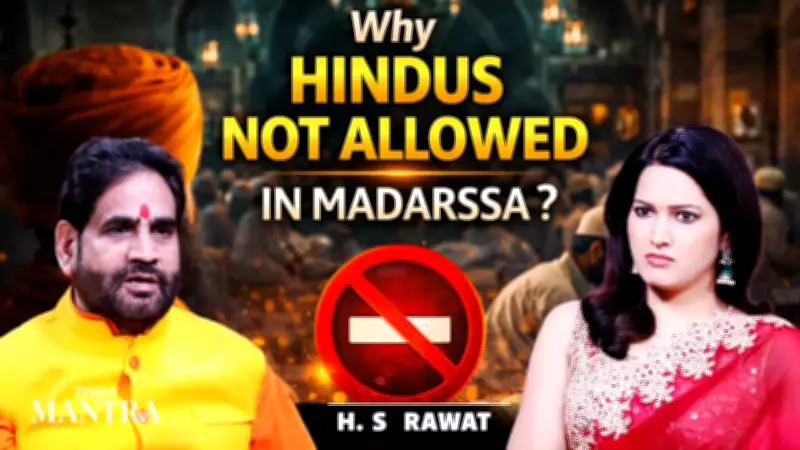
A thought-provoking and intense debate has emerged in India, focusing on the longstanding practice that restricts Hindus from entering madrasas. In a detailed discussion, H. S. Rawat shares multiple perspectives, delving into the roots of this tradition and addressing common misunderstandings.
Exploring Religious Education and Traditions
The conversation highlights how madrasas, as Islamic educational institutions, are deeply intertwined with religious teachings and cultural practices. Rawat explains that these institutions often prioritize Islamic studies, including Quranic recitation and Islamic law, which are tailored for Muslim students. This specialization has historically led to exclusivity, raising questions about accessibility for non-Muslims.
Key viewpoints discussed include:

- The role of madrasas in preserving Islamic heritage and identity.
- Concerns over potential cultural or religious clashes if Hindus were admitted.
- Historical precedents that have shaped current policies and norms.
Addressing Misunderstandings and Raising Questions
Rawat emphasizes that this topic is often clouded by misconceptions. Many assume the restriction is purely discriminatory, but the debate reveals more nuanced reasons, such as:
- Educational focus: Madrasas are designed for Islamic instruction, which may not align with Hindu religious curricula.
- Community dynamics: Fears of disrupting the learning environment or causing discomfort among students.
- Legal and administrative frameworks: Existing regulations that govern religious institutions in India.
This discussion raises critical questions about inclusivity, awareness, and the need for interfaith dialogue. It challenges whether such practices hinder communal harmony or if they are necessary for maintaining religious integrity.
Aim for Understanding, Not Division
The debate is framed as a sensitive issue aimed at fostering understanding rather than creating division. Rawat calls for open dialogue between Hindu and Muslim communities to bridge gaps and promote mutual respect. He suggests that increased awareness and education about each other's traditions could pave the way for more inclusive practices in the future.
In summary, this intense debate sheds light on a complex aspect of India's religious landscape, encouraging viewers to reflect on the balance between tradition and inclusivity in educational settings.