After Hours Event in Delhi Creates Vibrant Fusion of Art and Celebration
Long after traditional gallery hours had ended, QLA in Mehrauli transformed into a dynamic cultural hub as the After Hours event unfolded. This unique evening seamlessly blended serious art discourse with festive celebration, creating an immersive experience that captivated attendees.
A Night of Music, Dance and Cultural Exchange
Hosted collaboratively by Dhoomimal Gallery and Gallery Silver Scapes, the gathering attracted an impressive crowd of over seven hundred distinguished guests. What began as an art event quickly evolved into one of Delhi's most animated cultural nights of the season, featuring continuous music, spirited dancing, and lively conversation that extended well into the early morning hours.
Far from a conventional gallery affair, the evening carried the energetic momentum of a genuine after-hours party. DJs established a vibrant tempo that permeated the venue, while guests flowed freely throughout the space. The dance floor remained in constant motion throughout the night, creating an atmosphere of celebration and connection.

Serious Scholarship Meets Social Celebration
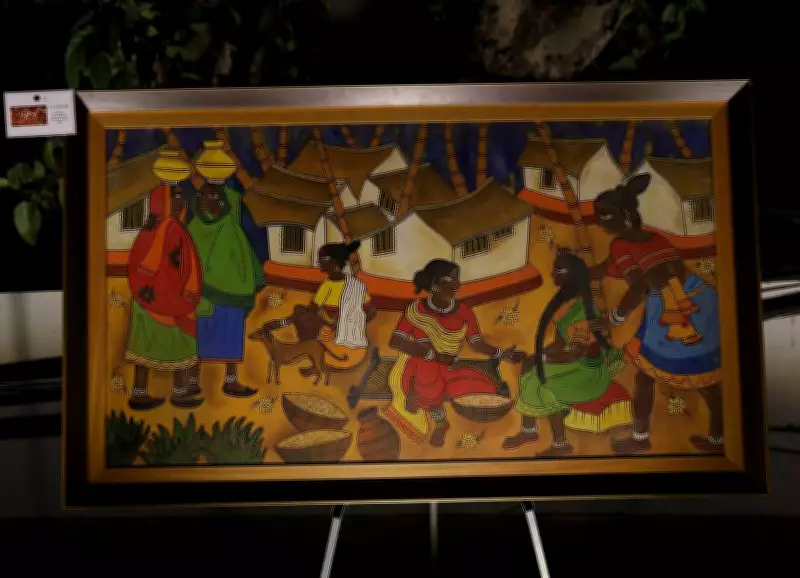
Beneath the sociable surface, the event maintained a substantial curatorial foundation with a focused exploration of Indian modernism through two significant artists. The works of Abdulrahim Appabhai Almelkar and Akkitham Narayanan provided the intellectual core around which the evening revolved.
The gathering also served as the official launch for Almelkar: The Resurrection – Letters & Lines of a Master, edited by Archana Khare-Ghose. This landmark publication represents a comprehensive examination of the artist's life, philosophical approach, and artistic practice through multiple lenses.
The book incorporates critical essays, valuable archival materials, and personal correspondence that offer unprecedented insight into Almelkar's creative world. Particularly revealing are his letters to his guru Hiralal Khatri, which provide rare glimpses into the spiritual and intellectual foundations supporting his artistic output.
Academic Context and Artistic Contrast
Scholarly contributions from experts including Rehaman Patel and Deepak Kannal situate Almelkar's practice within broader discussions about rural modernity, decolonial aesthetics, and institutional history. These essays reference works held in prestigious collections like the National Gallery of Modern Art, providing important institutional context.
In deliberate contrast, Akkitham Narayanan's abstract works introduced a more contemplative visual language to the evening. His canvases, shaped by sacred geometry and metaphysical inquiry, offered a quieter counterpoint to the event's energetic atmosphere. Narayanan's physical presence at the gathering allowed for direct engagement between artist and audience.
Diverse Gathering of Cultural Luminaries
The guest list reflected the remarkable breadth of India's contemporary cultural ecosystem. Attendees included prominent figures from multiple creative spheres, creating a rare intergenerational convergence of talent and influence.
Notable participants included Suhel Seth, Ajitabh Bachchan, Chetan Seth, and senior modernist Akkitham Narayanan himself. The artistic community was well represented by figures such as Jatin Das, Biman Das, M. Pravat, and Manish Pushkale.
The fashion and design world contributed significant presence through Bina Ramani, designers Rohit Gandhi and Aachal Jaipuria, along with Sonu Wassan, Atul Wassan, Manu Mansheet, and Samar Singh Jodha. This diverse assembly mingled freely with collectors, diplomats, curators, and emerging art practitioners throughout the evening.
Organic Exchange Over Structured Spectacle
The event unfolded with a natural ease that encouraged genuine exchange rather than manufactured spectacle. Guests moved fluidly between close examination of artworks, animated discussion about modernist principles, and participation in the celebratory atmosphere.
After Hours demonstrated convincingly that modernist legacies need not remain confined within institutional walls. When scholarly engagement circulates alongside music, movement, and shared pleasure, these artistic traditions become not only intellectually accessible but vibrantly alive in contemporary consciousness.

The success of this innovative format suggests new possibilities for cultural programming that bridges the perceived gap between serious scholarship and social celebration, creating spaces where art becomes part of lived experience rather than distant observation.