Delhi's Analogue Awakening: The Vinyl Revival Gains Momentum
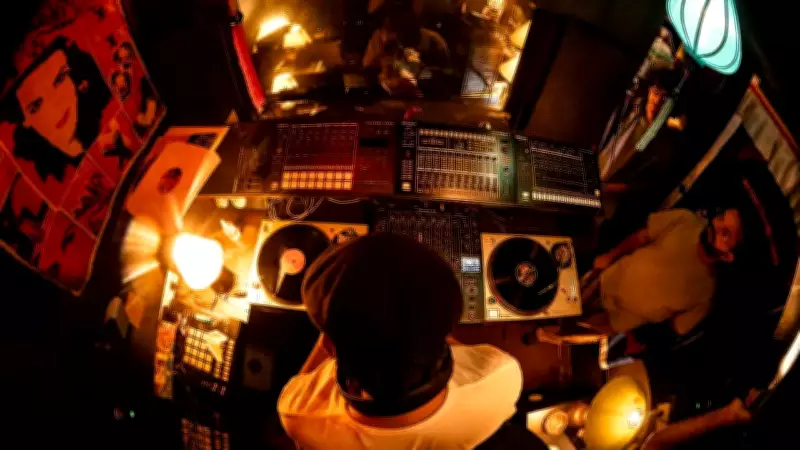
In the heart of India's capital, a quiet revolution is unfolding as Delhi embraces the warm, textured sound of vinyl records. Across the city, art spaces, cafes, and dedicated vinyl bars are becoming hubs for enthusiasts seeking to reconnect with music in a more intentional, communal way. This movement represents a deliberate shift away from the passive, algorithm-driven listening habits of the digital age toward curated, analogue experiences that celebrate music as a complete artistic statement.
The Rise of Intentional Listening Sessions
Vinyl listening sessions in Delhi are designed as sanctuaries for slow, attentive engagement with music. Unlike the fragmented experience of streaming playlists, these gatherings encourage participants to listen to entire albums from start to finish, discovering the narrative arc and artistic vision behind the work. Kunal Singh Chhabra, founder of the vinyl bar Genre, emphasizes this transformation: "Vinyl listening sessions bring back intentional listening. In today's world, music has become passive background noise. These formats demand attention—you must sit with the sound, appreciate the track arrangement, and truly engage. When shared in a room with others, it becomes a collective experience."
These sessions prioritize curation over volume, mood over spectacle. As Chhabra notes, "It's about how music is curated, the atmosphere of the room, and how the night unfolds naturally." Attendees like Rohan Basu, a business analyst who recently visited Siyah Arthouse, appreciate this approach: "Here, you experience albums as cohesive works, not just individual tracks. It reminds you that music has structure, flow, and purpose."

Beyond Nostalgia: The Appeal of Analogue Authenticity
While nostalgia plays a role, Delhi's vinyl enthusiasts are driven by a deeper appreciation for the analogue experience. Utkarsh J, a Delhi-based DJ, explains: "It's a blend of nostalgia and genuine love for analogue sound. Vinyl offers a physical connection that streaming can't match. In India, records are evolving from mere media to cherished collectibles, reflecting a move toward more intentional, culture-forward experiences."
Nishant Mittal, music archivist and owner of Digging In India, a vinyl record store, adds: "Nostalgia isn't the only factor. It's about owning a tangible piece of music and the superior sound quality vinyl delivers, especially with a good system. The imperfections, pauses, and silences between tracks make it feel like you're spending quality time with the music."
Curation and Community: The Soul of Delhi's Vinyl Scene
At the core of this revival is meticulous curation that reintroduces listeners to the artistry behind albums. In an era dominated by algorithmic suggestions, the narrative of an album often gets lost. Utkarsh highlights this: "Artists craft specific storylines through their tracklists, but listeners usually only hear the hits. At sessions, we provide context and play 'deep cuts' that reveal the album's soul, helping people notice nuances they might have missed."
Nishant takes a thematic approach: "My sessions aren't limited to one album. I curate around broader themes, like Indian jazz or disco's impact on India's musical landscape." This thoughtful curation extends to unique collaborations, such as those by Navya Misran, co-founder of Kitaab Club, which hosts literature-themed vinyl sessions. "We pair records with books to create an immersive, analogue experience. For example, when reading Toni Morrison's The Bluest Eye, we played Ella Fitzgerald and Roberta Flack. It's about enhancing community-focused engagement with music and literature."
A Shift in Delhi's Music Culture
Delhi has long celebrated a vibrant music culture, but Kunal Chhabra observes a gap: "For years, options were limited to loud clubs or concerts—both performance-driven. There was little space for slower, layered experiences. A vinyl bar redefines what a music experience can be. Delhi's crowd is receptive but needs the right setting. Play a Nusrat track in a club, and it might feel out of place; on vinyl in the right space, it clicks. People aren't just craving nostalgia—they want music that feels thought-through."

This sentiment is echoed by attendees like Devoshree Mukherjee, a professor: "My vinyl journey began with curiosity, not nostalgia. Attending a session felt like slowing down and being truly present with music." Ritika Singh, an architect, adds: "Vinyl demands patience. I love giving music the time it deserves, rather than treating it as background noise."
The Future of Analogue Listening in Delhi
From Kishore Kumar and Pink Floyd to contemporary acts like Peter Cat Recording Co, Delhi's vinyl scene spans genres, uniting music lovers across generations. DJs like Akasha, a vinyl collector for over two decades, contribute to this diversity: "I started buying records because some house music was only available on vinyl. It's a vast ocean of sound, and I play records to share those discoveries."
As vinyl listening sessions continue to proliferate, they are fostering a community that values authenticity, curation, and shared experience. This analogue revival in Delhi is not merely a trend but a meaningful cultural shift toward intentional listening, proving that in a digital world, the physical and communal aspects of music still hold profound appeal.