Eid al-Fitr 2026: A Comprehensive Guide to the Festival of Breaking the Fast
Eid al-Fitr, one of the most significant festivals in the Islamic calendar, is anticipated to fall around March 21, 2026, based on lunar calculations. This joyous occasion marks the conclusion of Ramadan, the holy month of fasting, prayer, and reflection observed by Muslims worldwide. The exact date is subject to the sighting of the crescent moon, which determines the Islamic lunar months, adding an element of anticipation to the celebrations.
Spiritual Significance and Meaning of Eid al-Fitr
The term Eid al-Fitr translates to "Festival of Breaking the Fast," symbolizing the end of a period of spiritual discipline and self-restraint. It is a time for Muslims to express gratitude to Allah for the strength and patience granted during Ramadan. The festival emphasizes themes of:
- Charity (Zakat al-Fitr): Before the Eid prayers, Muslims are obligated to give a specific amount of charity to the needy, ensuring everyone can partake in the festivities.
- Forgiveness and Reconciliation: It is customary to seek forgiveness from others and mend strained relationships, fostering community harmony.
- Prayer and Reflection: Special congregational prayers, known as Salat al-Eid, are held in mosques or open grounds, followed by sermons that reinforce Islamic teachings.
Global Traditions and Celebrations
Eid al-Fitr is celebrated with diverse customs across different cultures, yet common elements unite Muslims globally. Key traditions include:

- Eid Prayers: Communities gather for morning prayers, often wearing new or traditional attire, such as kurta-pajamas or sherwanis in India.
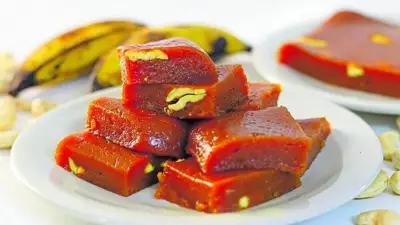
- Feasting and Sweets: After a month of fasting, families enjoy elaborate meals. In South Asia, dishes like sheer khurma (a vermicelli pudding) and biriyani are staples, while dates and sweets are shared widely.
- Gift-Giving (Eidi): Elders give money or gifts, called Eidi, to children, symbolizing blessings and joy.
- Social Gatherings: Visits to relatives and friends are common, with communities organizing fairs and events to celebrate together.
Eid al-Fitr in India: A Blend of Culture and Devotion
In India, with its rich Islamic heritage, Eid al-Fitr is celebrated with great fervor, particularly in cities like Delhi, Hyderabad, Lucknow, and Mumbai. The festival showcases a unique blend of religious devotion and cultural traditions:
- Historical Mosques: Iconic sites such as Delhi's Jama Masjid and Hyderabad's Mecca Masjid attract large crowds for prayers.
- Local Customs: In regions like Kashmir and Kerala, local delicacies and traditional music add regional flavors to the celebrations.
- Community Initiatives: Many organizations host charity drives and food distributions, emphasizing the spirit of giving inherent to Eid.
As Muslims worldwide prepare for Eid al-Fitr 2026, the festival serves as a reminder of unity, compassion, and spiritual renewal. Whether through prayers, feasts, or acts of kindness, it continues to be a cornerstone of Islamic culture, bringing communities together in celebration and reflection.