El Salvador's Giant Mona Lisa Mural Made from 100,000 Recycled Bottle Caps
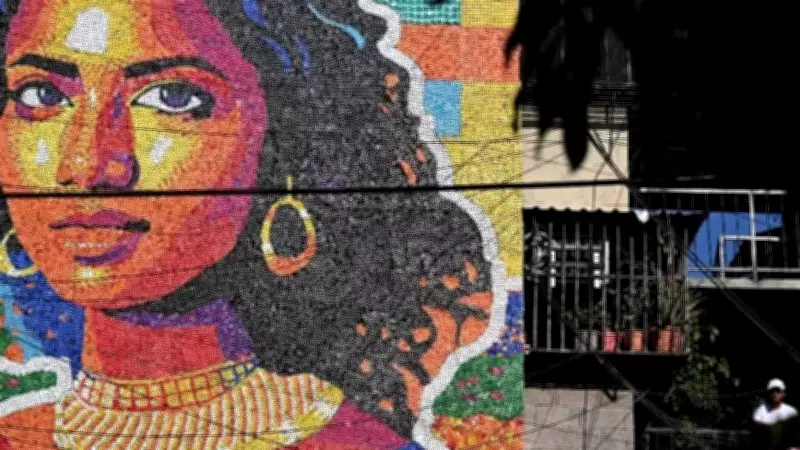
A stunning new interpretation of the Mona Lisa has emerged in El Salvador, but this is no ordinary replica of Leonardo da Vinci's masterpiece. Towering at 13 meters, this vibrant mural now graces a building in Zacamil, a working-class neighborhood of San Salvador, and it's crafted entirely from recycled plastic bottle caps, adding a bold and playful twist to the iconic image.
A Community Effort in Art and Sustainability
This artwork is more than just a visual spectacle; it's a powerful statement about community, creativity, and environmental redemption. Residents of Zacamil actively participated in the project, spending months collecting, washing, and sorting the plastic caps from trash. Their collective effort transformed ordinary waste into something extraordinary, fostering a sense of pride and purpose in an area once troubled by gang activity.
The Artist Behind the Latin American Mona Lisa
The creative mind behind this mural is Venezuelan artist Óscar Olivares, aged 29, who has previously painted murals in countries like Venezuela, Mexico, Saudi Arabia, and Italy. Olivares describes his work as a "Latin American Mona Lisa," emphasizing that it's not merely a portrait but a reinterpretation with distinct cultural elements. He intentionally gave the figure Latin features, including black hair, a colorful dress, earrings, and a necklace, with her gaze slightly in profile for a piercing effect.

Experts note that the piece draws inspiration from pointillism, influenced by artist Paul Signac, but incorporates a modern twist through the use of plastic materials. According to reports from the AFP News Agency, this mural is recognized as the world's tallest bottle-cap artwork, showcasing innovation in urban art.
Transforming Trash into Hope and Identity
Approximately 100,000 plastic caps were salvaged from garbage to create this mural, with each cap symbolizing a story and the hands that touched it. Olivares highlights that in the past, graffiti often served to mark territory, but now, urban art like this represents something deeper—pride, creativity, and hope. He aims for a dual impact: encouraging viewers to see the Mona Lisa in a new light and to reconsider plastic waste as a valuable resource for artistic expression.
This vibrant creation not only brings color and optimism to the Zacamil community but also pays tribute to Salvadoran women, reimagining a classic with a local identity. It stands as a testament to how art can inspire change, turning discarded items into a focal point of beauty and attention.