Rongali Bihu Festivities in Upper Assam Dampened by Elections and Unseasonal Rain
As Assam eagerly anticipates Rongali Bihu, the vibrant essence of the state's premier festival remains notably subdued in Dibrugarh and various upper Assam districts. The convergence of recent assembly elections and relentless unseasonal rainfall over the past month has compelled locals to navigate a complex mix of political enthusiasm and adverse weather conditions, thereby postponing the customary pre-festive bustle.
Traditional Celebrations and Current Challenges
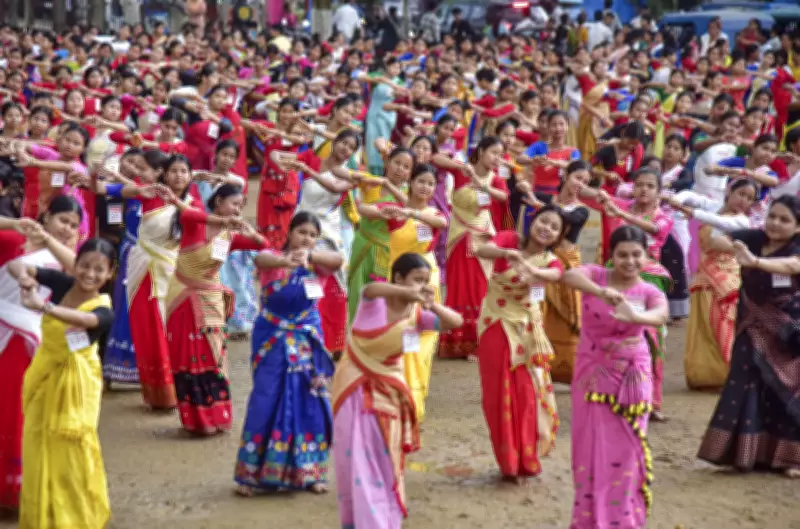
Rongali Bihu, also referred to as Bohag Bihu, signifies the Assamese New Year and the commencement of the harvest season. Traditionally, this festival explodes with energy through Husori performances, lively Bihu dances, indulgent feasting on pitha and traditional sweets, and communal gatherings beneath the open sky. Markets typically overflow with fresh agricultural produce, cattle fairs attract throngs of visitors, and villages resonate with the melodic sounds of flutes and drums. However, in key upper Assam hubs such as Dibrugarh, Tinsukia, and Jorhat, the anticipated festive tempo has yet to fully materialize.
Impact of Assembly Elections on Festive Preparations
The assembly elections, conducted on April 9, significantly absorbed the region's collective energy. Campaign rallies, intensive door-to-door canvassing, and last-minute voter mobilization efforts overshadowed the essential preparations for Bihu. Bhagirath Baruah, a textile trader operating in Dibrugarh's pucca bazar, highlighted the stark contrast: "Ordinarily, by this time, the market would be bustling with shoppers purchasing gamosas, mekhela chadors, and new attire for their families. This year presents a very different scenario. The election consumed all our resources—time, energy, and attention. With Bihu merely three days away, the festive atmosphere remains elusive. Sales have plummeted by approximately 60% compared to the previous year, as people are gradually recovering from post-election fatigue."

For local shopkeepers, the delayed onset of the festive rush has become a source of considerable financial anxiety. The days leading up to Rongali Bihu are traditionally among the most commercially lucrative periods of the year across Assam, with sales of traditional attire, jewellery, sweets, and gifts typically reaching their annual zenith. This year, however, many merchants are clinging to hope for a last-minute surge in the remaining days. One shopkeeper expressed cautious optimism: "We remain hopeful. The Assamese community holds Bihu too dear to allow it to pass quietly. Perhaps all the festivities will be compressed into the final two days."
Disruptions Caused by Unseasonal Rainfall
Compounding the subdued mood is the persistent spell of unseasonal rain that has battered upper Assam for nearly a month. This inclement weather has not only disrupted outdoor preparations and rehearsals for Bihu dance programs but has also discouraged shoppers from venturing out and dampened the enthusiasm of community organizers planning open-air events. Jiten Das, a renowned Bihu exponent from Dibrugarh, lamented: "The continuous drizzle has saturated both our fields and our spirits. We have been unable to initiate proper Husori practice sessions. While rain during Bihu is considered auspicious in folklore, this prolonged downpour is unprecedented. Our traditional dances require open courtyards, not waterlogged puddles."
A young Bihu dancer from Dibrugarh echoed these concerns: "We have attempted to conduct rehearsals for our Bihu dance group, but the rain has posed significant challenges. The ground is extensively waterlogged, and maintaining high morale becomes arduous when the weather persistently refuses to cooperate. We are fervently hoping for clearer skies before the 15th."
Hope Amidst Adversity
Despite the delayed commencement and ongoing challenges, residents of upper Assam maintain a resilient hope that the festive spirit will intensify in the coming days. The deep-rooted cultural significance of Rongali Bihu, coupled with the community's enduring passion for celebration, suggests that the festival may yet reclaim its traditional vibrancy, even if on a condensed timeline.