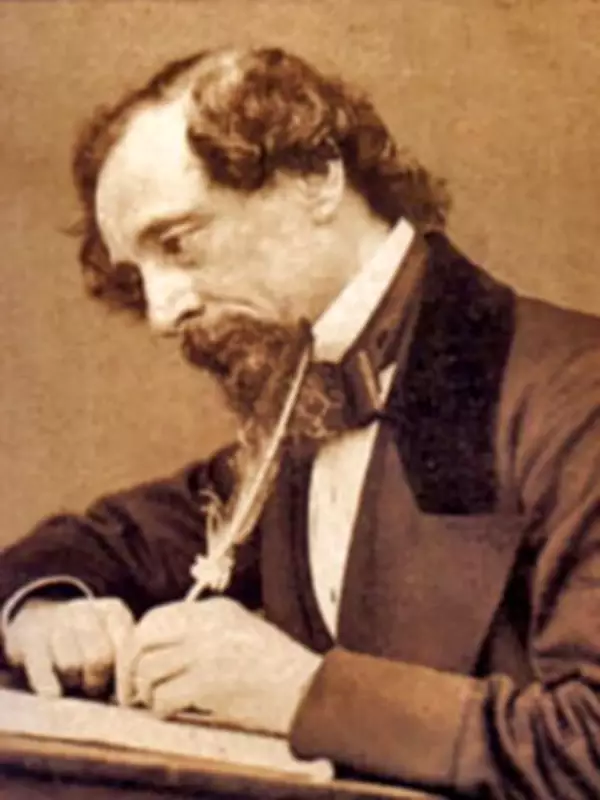
Essential Charles Dickens Novels Everyone Should Read
Charles Dickens, the iconic 19th-century English author, has left an indelible mark on world literature with his vivid characters, social commentary, and compelling narratives. His works continue to resonate with readers across generations, offering insights into human nature and societal issues. This guide highlights the essential Charles Dickens novels that everyone should read to appreciate his literary genius.
Oliver Twist (1837-1839)
Oliver Twist is one of Dickens's most famous novels, telling the story of an orphan boy navigating the harsh realities of Victorian England. The novel introduces memorable characters like the cunning Fagin and the innocent Oliver, while critiquing social injustices such as child labor and poverty. Its themes of resilience and morality make it a timeless classic that remains relevant today.
David Copperfield (1849-1850)
Often considered Dickens's most autobiographical work, David Copperfield follows the life of its protagonist from childhood to adulthood. The novel explores themes of personal growth, friendship, and love, with characters like the eccentric Mr. Micawber and the villainous Uriah Heep. Its rich storytelling and emotional depth have cemented its status as a must-read for literature enthusiasts.

Bleak House (1852-1853)
Bleak House is a complex novel that intertwines multiple narratives to critique the English legal system and social stratification. Through characters like Esther Summerson and the mysterious Lady Dedlock, Dickens exposes the corruption and inefficiency of the courts. Its intricate plot and satirical tone make it a challenging yet rewarding read for those interested in social issues.
Hard Times (1854)
Set in the industrial town of Coketown, Hard Times focuses on the dehumanizing effects of utilitarianism and industrialization. The novel contrasts the rigid philosophies of characters like Thomas Gradgrind with the imaginative world of Sissy Jupe. Dickens's critique of a society driven solely by facts and figures remains poignant in today's data-driven world.
Great Expectations (1860-1861)
Regarded as one of Dickens's masterpieces, Great Expectations tells the story of Pip, an orphan who dreams of becoming a gentleman. The novel explores themes of ambition, class, and redemption, with unforgettable characters like the eccentric Miss Havisham and the convict Magwitch. Its compelling narrative and moral lessons have made it a staple in literary education worldwide.
A Tale of Two Cities (1859)
Set against the backdrop of the French Revolution, A Tale of Two Cities is a historical novel that contrasts the cities of London and Paris. It delves into themes of sacrifice, resurrection, and social upheaval, with the famous opening line: "It was the best of times, it was the worst of times." Its dramatic plot and emotional intensity make it a gripping read for history and literature buffs alike.
Why Read Charles Dickens Today?
Dickens's novels offer more than just entertainment; they provide a window into the social and economic challenges of the Victorian era, many of which echo in contemporary society. His ability to blend humor, pathos, and social critique ensures that his works remain essential for understanding human experiences. By reading these novels, one can gain insights into:
- The impact of industrialization on society.
- The struggles of the poor and marginalized.
- The complexities of human relationships and morality.
- The enduring power of storytelling to effect change.
In conclusion, diving into the essential Charles Dickens novels is a rewarding journey for any reader. From the streets of London to the courtrooms of Bleak House, his stories continue to captivate and educate, making them a must-have in every literary collection.