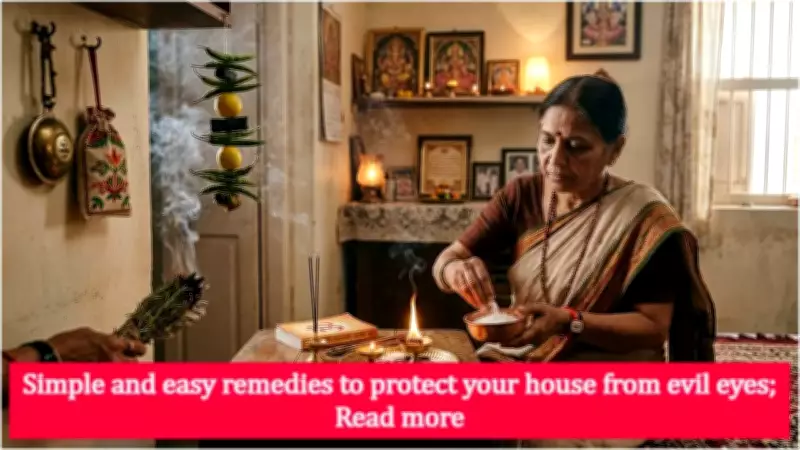
Ancient Beliefs Meet Modern Stress: Combating the Evil Eye with Traditional Home Rituals
For centuries, across India and numerous cultures worldwide, the concept of the "evil eye" has persisted as a deeply held belief. This notion suggests that negative energy, often stemming from jealousy or ill intentions, can bring misfortune. While modern science has yet to validate the existence of such metaphysical forces, a significant portion of the global population continues to employ age-old remedies and spiritual practices to safeguard their homes from perceived harm.
In today's fast-paced world, where holistic health awareness is rising and stress levels are often elevated, discussions around spiritual protection and energy cleansing within domestic spaces have gained renewed prominence. Many individuals turn to these rituals not only to repel the evil eye but also to restore a sense of tranquility and balance to their living environments.
1. Salt Rituals for Purification and Cleansing
Salt is widely regarded as a potent agent for dispelling negative energies. A common practice involves placing bowls of rock salt in room corners or near entryways. These are typically replaced on a weekly basis to ensure their continued efficacy. Additionally, mopping floors with salt water is another prevalent method believed to purify the energetic atmosphere of a home.

2. The Purifying Power of Camphor and Incense
Burning incense or camphor sticks is thought to cleanse the air of stagnant or harmful energies. Followers of this practice often report that the aromatic smoke, combined with the devotional aspect of the ritual, fosters a deeper spiritual connection and induces a calming effect. Many families incorporate daily prayers alongside camphor burning to maintain positive vibrations.
3. The Classic Totka: Lemon and Green Chili Charms
In many Indian households, a string of lemons and green chilies adorns the front door. This traditional totka (home remedy) is believed to act as a barrier, preventing negative forces and energies from entering the home. The items are usually refreshed weekly to sustain their protective qualities.
4. Herbal Smudging for Energetic Clearance
Smudging, the practice of burning herbs like sage or traditional Indian options such as loban and sambrani, has seen a surge in popularity in recent years. The smoke produced is said to clear out negative or stagnant energy, revitalizing the home's atmosphere. This method bridges ancient traditions with contemporary wellness trends.
5. Protective Symbols and Talismans
Many people display sacred symbols, nazar battu (often represented as black dolls), or evil eye charms on doors or within their homes. These objects are trusted to offer protection against unseen harm and to deflect malicious thoughts, serving as constant guardians of domestic peace.
6. Daily Prayer and Spiritual Engagement
Regular spiritual activities, including prayer, mantra chanting, or listening to devotional music, are considered foundational for cultivating a harmonious home environment. It is widely believed that a space imbued with positive spiritual energy naturally repels negativity and fosters well-being.
7. The Importance of Order and Cleanliness
Maintaining a neat and organized home is not only aesthetically pleasing but is also thought to enhance mental clarity and emotional stability. A clean environment is seen as less hospitable to negative energies, promoting a sense of control and serenity.
Balancing Faith with Practical Wellness
Experts in psychology and wellness suggest that while these traditional practices may lack scientific backing for their metaphysical claims, they can offer significant psychological benefits. Engaging in such rituals may provide a sense of agency, reduce anxiety, and enhance overall mental well-being. However, it is crucial to integrate them with evidence-based health strategies, including:

- Maintaining a balanced diet and regular exercise
- Employing stress-reduction techniques like meditation
- Fostering strong social connections and community ties
Whether rooted in ancient tradition or adapted for modern life, these practices continue to help countless families feel secure and content in their homes. As cultural beliefs evolve, the desire to protect one's domestic sanctuary from perceived threats remains a powerful and enduring aspect of human experience, blending spirituality with the universal quest for peace and safety.