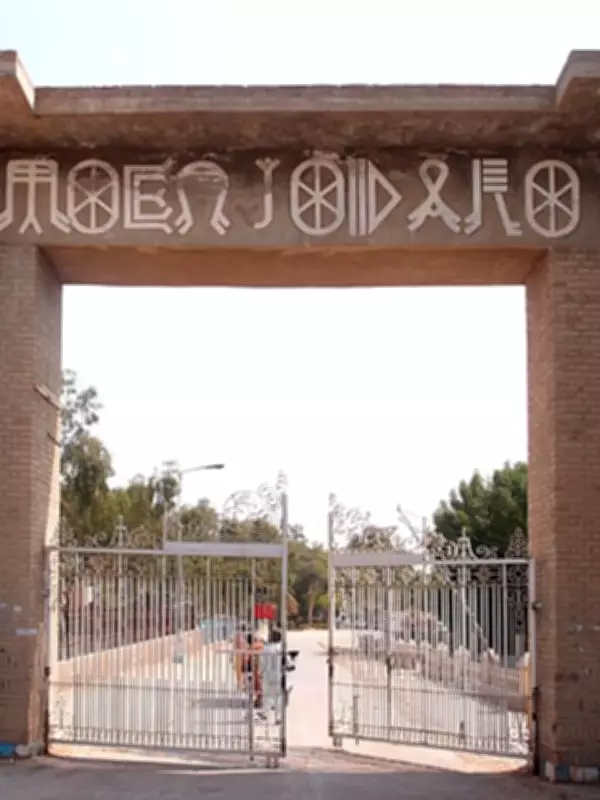
Unveiling the Treasures of the Indus Valley Civilization
The Indus Valley Civilization, one of the world's oldest urban cultures, flourished around 3300-1300 BCE in what is now modern-day India and Pakistan. This ancient society left behind a wealth of artifacts that provide invaluable insights into its sophisticated lifestyle, artistry, and technological advancements. Archaeologists have unearthed numerous objects that stand as testaments to the civilization's ingenuity and cultural richness.
Most Famous Artifacts Discovered
Among the myriad finds, several artifacts have gained iconic status due to their historical significance and exquisite craftsmanship. These objects not only highlight the artistic skills of the Indus people but also offer clues about their social and religious practices.
- The Dancing Girl: A bronze statuette found in Mohenjo-daro, depicting a young girl in a dynamic pose. This artifact is celebrated for its lifelike representation and is considered a masterpiece of ancient Indian art.
- Pashupati Seal: A steatite seal discovered in Mohenjo-daro, featuring a figure seated in a yogic posture surrounded by animals. It is often interpreted as a proto-Shiva representation, indicating early religious beliefs.
- Great Bath of Mohenjo-daro: A large public water tank that showcases the civilization's advanced urban planning and engineering skills, possibly used for ritual purification.
- Indus Script Seals: Numerous seals with undeciphered inscriptions and animal motifs, such as the unicorn seal, which are key to understanding the civilization's trade and administrative systems.
- Terracotta Figurines: Various clay models of humans, animals, and carts that provide insights into daily life, clothing, and transportation methods of the time.
Significance and Legacy
These artifacts are crucial for historians and archaeologists piecing together the story of the Indus Valley Civilization. They reveal a society with a high degree of organization, artistic flair, and technological prowess, rivaling contemporary civilizations like Mesopotamia and Ancient Egypt. The objects also underscore India's deep-rooted cultural heritage, influencing later Indian traditions and art forms.

Preservation efforts continue to protect these invaluable relics, with many housed in museums across India and the world, allowing the public to connect with this ancient past.