In a significant boost to preserving India's tribal heritage, the country's first fully digital museum dedicated to tribal freedom fighters is set to open its doors in January. Located in Tajangi, near the popular tourist spot Lammasingi in Andhra Pradesh's Alluri Sitarama Raju district, the museum's construction has been accelerated to meet a Sankranti deadline.
A Technological Tribute to Tribal Valour
The museum is a pioneering project, leveraging cutting-edge technology to narrate the stories of indigenous resistance. It will employ Visual Effects (VFX), interactive screens, and QR codes to create an immersive experience for visitors. The aim is to vividly portray the history of the struggle against British rule, led by legendary figures such as Alluri Sitarama Raju and his followers Gam Gantam Dora and Mallu Dora.
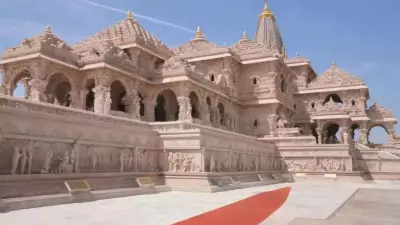
The building's architecture itself is a tribute, with its facade designed as an exhibit inspired by Alluri Sitarama Raju's revolutionary fight against the British Army in the 1920s. The entire 21-acre complex is a holistic cultural hub, featuring not just the museum but also a tribal haat (local market), themed gardens, an amphitheatre, a resort, and a themed restaurant.

Project Inspection and Timelines
Recently, the principal secretary of the tribal welfare department, MM Naik, conducted a site inspection. He directed the contractors and local authorities to complete all pending works within the next 45 days to ensure the museum is ready for its public unveiling. This push comes after the project, which began four years ago, faced some legal hurdles and delays in fund sanctions.
An officer involved with the museum works highlighted its broader vision, stating, "It will serve as a global centre for tribal culture, valour, and history." The displays are planned to cover centuries of tribal resistance, including pivotal events like the Rampa Rebellion that spanned from 1839 to 1848.
Four Zones of Tribal History
The museum's narrative will unfold across four distinct thematic zones, designed to take visitors on a chronological journey:
- The Pre-British Era Zone: This section will exhibit the traditional community life and social structures of tribal societies before colonial intervention.
- The British Intervention Period: It will focus on the changes in tribal lifestyle due to colonial rule and the subsequent revolts and uprisings that defined this era.
- The Post-Independence Zone: This part will showcase the recent conditions and developments in the lives of tribal communities in Andhra Pradesh after India gained independence.
Once operational, the Tribal Freedom Fighters Museum at Tajangi is poised to become a landmark destination, offering a powerful, tech-driven insight into the often-overlooked chapters of India's freedom struggle led by its indigenous heroes.