Doctors of the Wild: How Animals Master Natural Medicine
In the vast expanse of nature, humans are not the sole practitioners of healing. Across diverse ecosystems, animals have developed remarkable strategies to treat ailments, combat infections, and ensure survival through a behavior known as zoopharmacognosy. This fascinating field reveals how instinct, evolutionary adaptation, and learned behaviors enable creatures to utilize plants, insects, and minerals as natural remedies without access to doctors or pharmacies.
The Science Behind Animal Self-Medication
Zoopharmacognosy combines elements of zoology and pharmacology, illustrating how animals instinctively select specific substances to address health issues. This behavior is not random but often deliberate, shaped by millions of years of evolution. Scientists study these practices to gain insights into animal cognition, social learning, and potential applications for human medicine, highlighting the interconnectedness of all life forms in maintaining health.
Five Remarkable Examples of Animal Medicine
Let’s explore five animals that exemplify the art of self-care in the wild, showcasing their unique approaches to healing.

- Chimpanzees: Bitter Leaves for Parasite Control
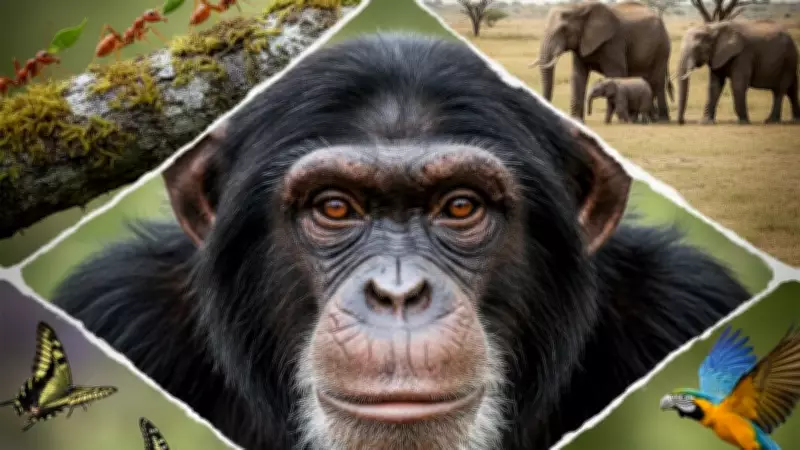
Chimpanzees in Africa have been observed chewing the bitter leaves of Vernonia amygdalina when ill, despite avoiding them when healthy. These leaves possess antiparasitic and antibacterial properties, effectively combating intestinal parasites and infections. This deliberate selection suggests a sophisticated understanding of medicinal plants, offering one of the earliest documented cases of animal self-medication. - Monarch Butterflies: Medicating the Next Generation
Monarch butterflies take a proactive approach by medicating their offspring. When infected with parasites, females lay eggs on milkweed plants with higher medicinal qualities. Milkweed contains chemicals that inhibit parasite growth in caterpillars, boosting survival rates. This behavior demonstrates an evolutionary strategy focused on disease management across generations, even if it doesn’t cure the adult butterfly. - Ants: Natural Antibiotics and Quarantine Practices
Ant colonies, prone to disease due to dense populations, incorporate tree resin into their nests for its antimicrobial properties, reducing bacteria and fungi. Additionally, infected ants self-isolate to prevent disease spread, mirroring human quarantine methods. These actions highlight how social insects use collective and individual strategies to maintain colony health. - Elephants: Social Learning and Medicinal Knowledge
Elephants exhibit advanced medicinal practices, such as eating specific plants during pregnancy or digestive distress. In Kenya, pregnant elephants consume leaves from trees traditionally used by local women to induce labor, indicating not only plant recognition but also timing and social transmission of knowledge across generations through observation and learning. - Birds: Precision Grooming with Ants
Many bird species engage in anting, rubbing ants onto their feathers or sitting on anthills to release formic acid, which kills parasites like lice and mites. Some birds even crush ants to control acid release, showcasing precise grooming habits. This behavior underscores how birds adapt natural resources for hygiene and health maintenance.
Implications for Science and Conservation
The study of zoopharmacognosy not only deepens our understanding of animal behavior but also holds potential for human medicine, such as discovering new natural remedies. Conservation efforts benefit by recognizing how animals rely on specific plants and habitats for health, emphasizing the need to protect biodiversity. As research continues, these wild doctors remind us of the intricate balance in nature and the wisdom embedded in animal instincts.