Five Spiritual Meanings Behind Lighting a Diya During Prayer
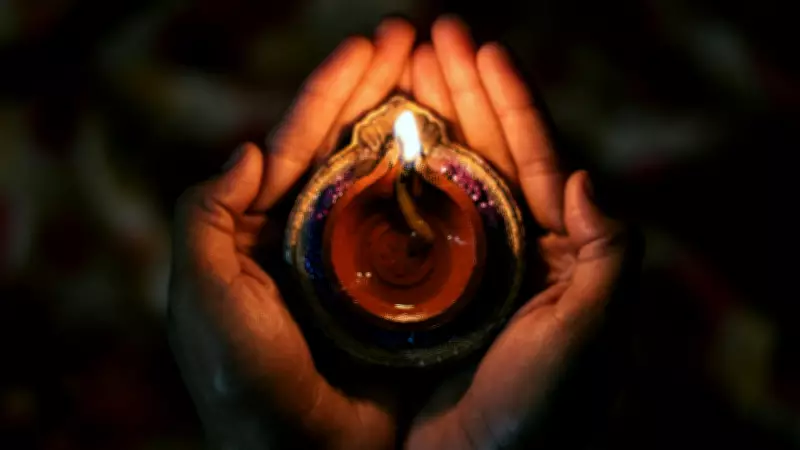
In the quiet moments of early morning or evening, a simple ritual unfolds in many households across India. Someone carefully pours oil into a small clay lamp, adjusts the cotton wick, and strikes a match to bring the flame to life. As the diya burns steadily, its soft glow illuminates the room, creating an atmosphere of calm and introspection. This seemingly ordinary act carries deep spiritual significance that transcends mere routine.
Lighting a diya before prayer serves as a powerful pause in daily life, helping practitioners gather their thoughts and turn inward for reflection. Found in both temples and home shrines, the diya represents multiple layers of symbolism connected to knowledge, devotion, discipline, and personal growth. Here are five profound meanings commonly associated with this ancient practice.
Light as the Victory of Knowledge Over Ignorance
For centuries, Hindu spiritual teachers have employed light as a metaphor for knowledge and darkness as a symbol of ignorance. The diya makes this philosophical concept tangible and visible. Lighting a lamp before prayer extends beyond creating physical visibility—it represents a personal commitment to clarity and understanding.

The flame invites worshippers to shift from confusion to focused attention, serving as what might be called a minimal curriculum for spiritual life: pay attention, recognize where you feel lost, and consciously move toward greater understanding. This transformation from darkness to light mirrors the journey from ignorance to enlightenment.
The Flame as a Symbol of the Soul
Observe a diya closely, and you'll notice the single, dependable motion of its flame. It rises steadily, maintains its form, and resists being shaped by the vessel that contains it. This behavior becomes a powerful image of the atman or soul—the inner self that spiritual traditions describe as remaining constant even as the physical body and external circumstances change.
For many practitioners, watching the lamp's steady burn provides a way to quiet passing worries and connect with a deeper sense of continuity. The flame's unwavering nature reminds them of the eternal aspect of consciousness that persists beyond temporary concerns.
The Wick and Oil as Lessons in Letting Go
The physical components of the lamp carry their own symbolic weight. The wick represents the ego, while the oil symbolizes the passions that feed that ego—such as greed, anger, and attachment. As the lamp burns, these materials transform into pure light, creating a simple yet exact metaphor for spiritual practice.
Just as the flame steadily consumes the wick and oil, spiritual growth involves the gradual transformation of lesser qualities into something clearer and more luminous. The ritual teaches that this transformation isn't sudden or violent but rather a slow, consumptive process that requires patience and persistence.
Lighting the Lamp as an Invitation to the Sacred
The diya also serves to mark a change of purpose for a space. Lighting the lamp transforms an ordinary area into a sacred shrine set apart for spiritual practice. In many households, the diya functions as a form of kind hospitality, signaling readiness for prayer and meditation.
This illuminated space becomes dedicated to focused attention, prayerful speech, and deep listening. In this context, the flame operates less like a practical tool and more like a doorway—an opening that allows practitioners to transition from mundane concerns to spiritual reflection.
A Daily Reminder to Tend One's Inner Light
Finally, the practice of lighting a diya disciplines attention through regular commitment. Just as the lamp requires oil and shelter to keep burning, any cultivated habit of mind needs consistent tending. Lighting a diya becomes a small daily contract with oneself: for a few minutes each day, stop, look inward, and care for your spiritual well-being.
The ritual doesn't guarantee instant awakening but offers a steady invitation to return to spiritual practice. It creates a reliable rhythm that supports long-term personal growth and self-awareness.

The diya remains a small object with expansive meanings. It asks nothing extravagant—only that individuals take a moment to turn from noise and busyness to notice what steadies them. In countless homes, this small, habitual pause marks where enduring spiritual practice begins, connecting generations through a flame that symbolizes both ancient wisdom and personal transformation.