The Journey of Folk Songs Across Generations
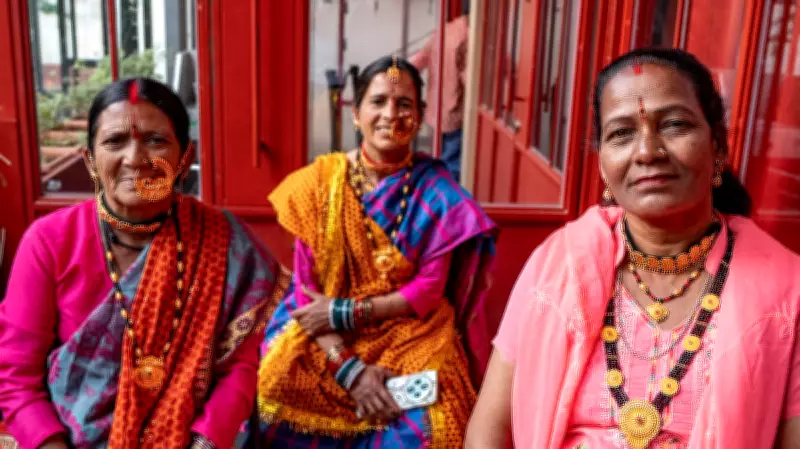
Folk songs have always been more than mere melodies; they are the living narratives of communities, carrying stories, emotions, and traditions across time. In India, these songs travel beyond the threshold of homes and villages, reaching new audiences and adapting to changing times. The preservation and revival of folk music have become crucial in an era of rapid globalization.
Oral Traditions and Cultural Identity
For centuries, folk songs have been passed down orally, with each generation adding its own nuances. This oral tradition ensures that the essence of the community's identity remains intact. Songs of harvest, marriage, festivals, and daily life are not just entertainment but a repository of collective memory. They reflect the joys, sorrows, and struggles of ordinary people.
Modern Adaptations and Revival
In recent years, there has been a resurgence of interest in folk music, thanks to artists who blend traditional tunes with contemporary styles. Fusion bands and solo performers are taking folk songs to global platforms, making them accessible to younger audiences. Festivals dedicated to folk music, such as the Rajasthan International Folk Festival, showcase the richness of this heritage.

Challenges in Preservation
Despite this revival, many folk traditions face the risk of extinction. Urbanization, migration, and the dominance of commercial music have led to a decline in the number of practitioners. Efforts by cultural organizations and government initiatives aim to document and promote these songs. Digital archives and online platforms are now being used to record and share folk music, ensuring it reaches a wider audience.
The Role of Technology
Technology plays a dual role in the preservation of folk songs. While it can dilute authenticity, it also offers tools for documentation and dissemination. Social media, streaming services, and dedicated websites allow folk artists to share their work without intermediaries. This democratization of music helps keep the tradition alive.
Conclusion
Folk songs are not just echoes of the past; they are vibrant expressions of culture that continue to evolve. By embracing both tradition and innovation, we can ensure that these melodies travel beyond the threshold of time, enriching future generations. The journey of folk music is a testament to the enduring power of human creativity and community.