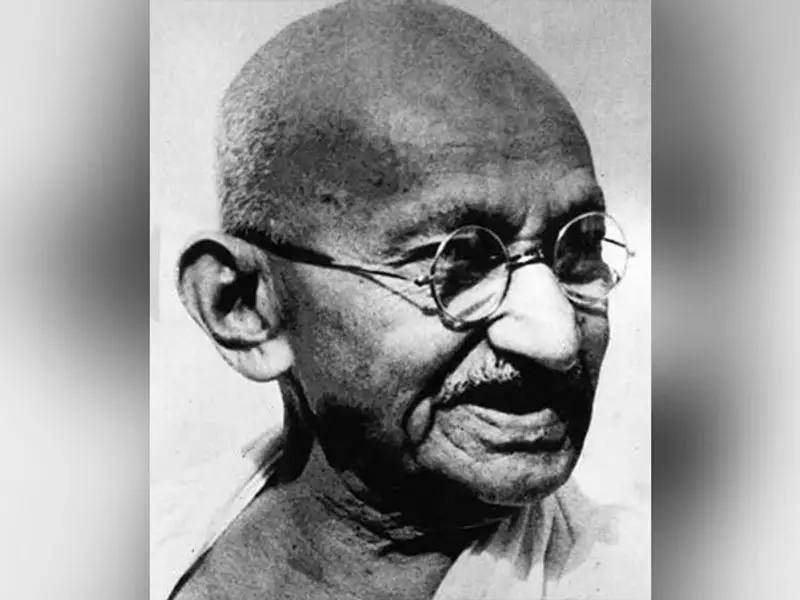
Gandhi's Enduring Fascination with Cartoons and Satire: A Visual Chronicle of His Ideals
Mahatma Gandhi, the revered leader of India's independence movement, shared a profound and often overlooked connection with the world of cartoons and satire. This relationship was not merely incidental but played a significant role in shaping his public persona and disseminating his core philosophies to a broader audience. Throughout his life, Gandhi demonstrated a keen appreciation for the power of visual media, recognizing its ability to convey complex ideas in an accessible and engaging manner.
The Role of Cartoons in Gandhi's Public Image
Cartoons served as a vital tool in crafting Gandhi's image both within India and on the global stage. Artists and caricaturists frequently depicted him in various forms, from a humble, loincloth-clad figure to a symbol of unwavering resistance against colonial rule. These visual representations helped humanize Gandhi, making his message of non-violence and self-reliance relatable to the masses. Moreover, satirical cartoons often highlighted the contradictions and hypocrisies of British colonial policies, aligning with Gandhi's own critiques and bolstering the nationalist cause.
Gandhi himself was known to engage with these artistic portrayals, sometimes using them as a means of self-reflection and public discourse. He understood that satire could be a powerful instrument for social commentary, capable of challenging authority and sparking dialogue without resorting to aggression. This alignment with his principle of Ahimsa (non-violence) made cartoons a natural ally in his struggle for justice and freedom.

Satire as a Medium for Communicating Truth
Beyond mere imagery, satire played a crucial role in Gandhi's communication strategy. He often employed wit and irony in his writings and speeches, a tactic that resonated with the satirical nature of cartoons. By embracing humor and critique, Gandhi could address sensitive issues and confront opponents in a manner that was both pointed and palatable. This approach allowed him to maintain a moral high ground while effectively challenging the status quo.
The use of satire also reflected Gandhi's belief in truth and transparency. Just as cartoons strip away pretenses to reveal underlying truths, Gandhi's satirical elements aimed to expose the realities of colonial exploitation and social injustice. This method not only educated the public but also fostered a sense of collective awareness and empowerment among Indians.
Legacy and Contemporary Relevance
Gandhi's engagement with cartoons and satire has left a lasting legacy in Indian culture and political discourse. Today, visual media continues to be a potent force in shaping public opinion and holding power to account, echoing the principles Gandhi championed. His example reminds us of the importance of creative expression in social movements and the enduring power of humor as a tool for change.
In an era dominated by digital media, the lessons from Gandhi's relationship with cartoons are more relevant than ever. They underscore the value of using art and satire to communicate ideals, challenge injustices, and inspire action, all while adhering to the tenets of non-violence and truth that defined his life's work.