Gen Z's Weekend Spirituality: Bhajan Clubbing Takes Center Stage
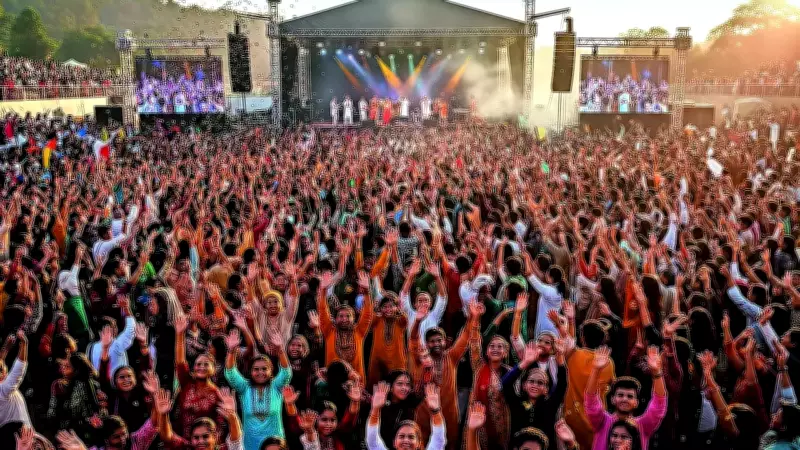
In a notable cultural shift, the weekends of Generation Z are increasingly marked by spiritual pursuits rather than traditional social outings. Young people are now frequently seen at bhajan clubbing events and devotional jamming sessions, where groups gather in serene, incense-filled environments to chant and sing together. This movement represents a departure from the usual cafe or nightclub scenes, highlighting a growing desire for meaningful connections and inner peace.
The Rise of Spiritual Concerts on Social Media
Social media platforms are overflowing with videos showcasing youth at kirtan concerts and chanting circles, making devotional music a viral sensation. From celebrity appearances at spiritual events to online clips of young individuals vibing to bhajans, this trend has captured widespread attention. To delve deeper into this phenomenon, insights were gathered from prominent figures like Radhika Das, a London-based kirtan artist, and event organizers who are witnessing this transformation firsthand.
Craving Authenticity in a Noisy World
Radhika Das explains that Gen Z's turn towards bhajan clubbing stems from a deep-seated need for something genuine. "Gen Z has grown up amidst endless noise, content, comparison, and hustle culture, yet they feel more disconnected than ever," he says. Spiritual gatherings offer a unique sense of presence and belonging, where chanting together fosters participation over performance, eliminating hierarchies and creating a shared vibrational experience. This allows young people to feel seen without the pressure to impress.

Traditional bhajan gatherings have cultural roots, but bhajan clubbing modernizes this devotion with contemporary elements like sound systems, lighting, and production. "The atmosphere feels familiar to young people, enabling movement, dance, and expression alongside static sitting. The setting may have evolved, but the intention remains spiritual," Radhika adds. He credits social media for revitalizing spirituality, making sacred sounds part of everyday life and shifting devotional music from temples to digital timelines.
Reinterpreting Tradition for Modern Lifestyles
Raghav and Prachi, known as the Backstage Siblings, run a popular jamming community that has gained traction online. Their videos, captioned 'kaise hogi clubbing if this is our vibe', feature groups of youngsters enjoying bhajans. Raghav notes that bhajan clubbing challenges the notion that devotion is reserved for later life stages. "The trend is about reinterpreting tradition to align with Gen Z's lifestyle. Previously, devotional music was often associated with parental outings, but now it's become a cool social activity with friends," he shares.
These sessions blend bhajans, chants, Sufi songs, Kabir dohas, and even Bollywood soft songs, creating an outing equivalent to clubbing or partying. "When 100 people sit together singing, it offers a moment to disconnect and experience collective devotion," Raghav explains. Their events, which have sold out in cities like Mumbai, Dubai, and Singapore, attract a 70% Gen Z audience, with tickets often gone within 24 hours. This surge is partly due to a detox from the overconsumption of intoxication-centric events.
Event Industry Adapts to Growing Demand
The rising popularity of devotional music is reshaping event curation. Mohit Bijlani, Founder of Team Innovation Cultural, observes that organizers are increasingly including devotional artists in their lineups to cater to youth preferences. "By blending traditional music with contemporary styles, we engage a broader demographic seeking relevance in entertainment. The primary age group ranges from late teens to early 40s," he says.
Deepak Chaudhary, Founder and MD of Eva Live in Mumbai, echoes this sentiment, noting the growth in the concert economy. "Today's youth is grounded and desires authentic experiences. Artists like Krishna Das and the Backstage Siblings are leading this movement, and if more artists emerge, it won't just be a trend. We're focusing heavily on bringing in artists from India and abroad to meet this demand," he states.

Personal Experiences Highlight Positive Change
Ameira Punvani, a Lucknow resident who attended a Krishna Das concert alongside Virat Kohli and Anushka Sharma, describes the trend as a call for positive transformation. "The energy was meditative and electric, offering a sense of calm and collective connection. It's less about religion and more about finding joy and peace through rhythm and devotion," she remarks.
Twinkle, a 27-year-old from Kolkata who participated in a Backstage Siblings' jamming session, views it as a refreshing change. "Unlike cafes or nightclubs, these sessions provide peace of mind. They're a detox after a workweek, fostering belonging and combating social media isolation. Plus, parents are thrilled about this trend, making it an easy choice for weekends," she adds.
This spiritual subculture is not merely a passing fad but a meaningful shift towards wellness and community, driven by Gen Z's search for authenticity in a fast-paced world.