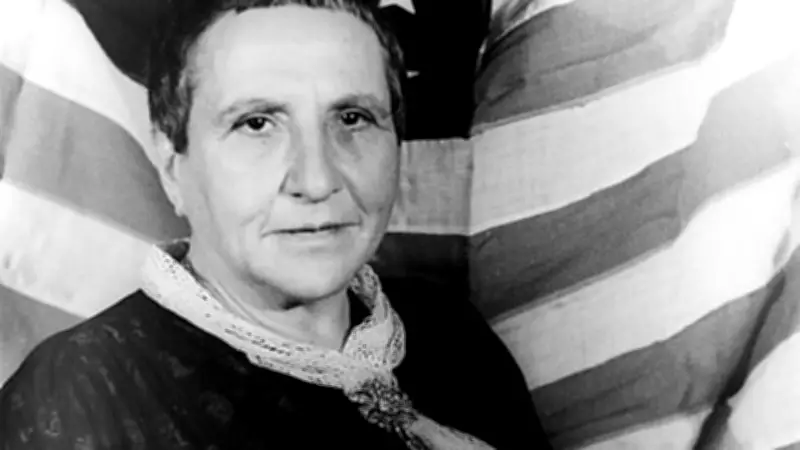
Gertrude Stein: The Pioneering Force Behind Modernist Art and Literature
Gertrude Stein, an American writer and art collector, stands as a towering figure in the cultural landscape of the early 20th century. Her life and work were instrumental in shaping the avant-garde movements that redefined art and literature, making her a central character in the story of modernism.
Early Life and Move to Paris
Born in 1874 in Allegheny, Pennsylvania, Stein moved to Paris in 1903, where she would spend most of her adult life. This relocation marked the beginning of her profound influence on the arts. Settling in the city's vibrant Left Bank, she established a salon that became a legendary hub for intellectuals, artists, and writers.
The Legendary Paris Salon
Stein's home at 27 rue de Fleurus transformed into a cultural epicenter, hosting weekly gatherings that attracted luminaries such as Pablo Picasso, Henri Matisse, and Ernest Hemingway. Her salon was not just a social venue but a crucible for artistic innovation, where ideas were exchanged and new movements like Cubism and Modernism were nurtured.

As a writer, Stein challenged conventional narrative structures with her experimental prose. Works like "Three Lives" and "The Autobiography of Alice B. Toklas" showcased her unique style, characterized by repetitive phrases and stream-of-consciousness techniques. Her writing pushed the boundaries of language, influencing generations of authors and earning her a place as a pioneer of literary modernism.
Art Collection and Patronage
Beyond her literary achievements, Stein was a visionary art collector. Alongside her brother Leo, she amassed an impressive collection of modern art, including early works by Picasso and Matisse. Her patronage provided crucial support to emerging artists, helping to launch careers and solidify the foundations of modern art.
Legacy and ImpactGertrude Stein's legacy extends far beyond her lifetime. Her salon fostered a community that revolutionized art and literature, while her writings continue to inspire contemporary authors. As a cultural icon, she exemplified the spirit of innovation and collaboration that defined the early 20th century avant-garde.
In summary, Gertrude Stein's multifaceted role as a writer, collector, and host made her an indispensable figure in the development of modern culture. Her influence resonates in today's artistic and literary circles, cementing her status as a true pioneer of the modernist era.