Goa's Archaeological Museum Unveils Centuries of History Through 40 Artefacts
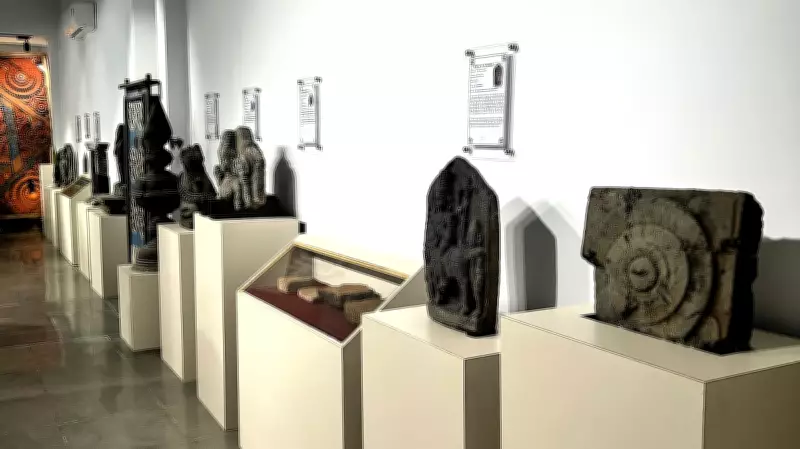
The Museum of the Centre for Archaeological Studies in Goa stands as a remarkable repository of history, housing an impressive collection of around 40 artefacts that span an extensive period from the 6th to the 17th century. This museum offers a unique window into Goa's rich and diverse past, showcasing objects that tell stories of ancient civilizations, cultural exchanges, and historical transitions over more than a millennium.
The Significance of the Collection
What makes this museum particularly extraordinary is not merely the antiquity of its objects, but the compelling narrative behind their acquisition. The collection was assembled through years of patient and dedicated effort by renowned historian Dr Rohit Phalgaonkar and his diligent students. Their meticulous work involved extensive fieldwork, research, and preservation efforts across various sites in Goa, ensuring that these historical treasures were carefully documented and protected for future generations.
The artefacts themselves represent a wide range of materials and purposes, including stone sculptures, inscriptions, pottery fragments, and architectural elements. Each piece provides valuable insights into the social, religious, and economic life of different periods in Goa's history, from early medieval times through the Portuguese colonial era.

Dr Rohit Phalgaonkar's Contribution to Goa's Heritage
Dr Rohit Phalgaonkar's role in this endeavor cannot be overstated. As a dedicated historian and educator, he has spent decades studying Goa's archaeological heritage, combining academic rigor with practical fieldwork. His approach involved not only discovering and collecting artefacts but also training students in proper archaeological methods, creating a legacy of knowledge preservation that extends beyond the museum walls.
The museum serves as both an educational resource and a cultural landmark, allowing visitors to connect with Goa's layered history through tangible objects. The chronological arrangement of artefacts helps illustrate the continuity and change in Goan society over centuries, highlighting influences from various dynasties and colonial powers that shaped the region.
Preserving Goa's Cultural Legacy
This collection represents a crucial effort in safeguarding Goa's cultural heritage against the threats of urbanization, environmental degradation, and neglect. By bringing these artefacts together in a dedicated museum space, Dr Phalgaonkar and his team have created a centralized location for study and appreciation, making historical knowledge accessible to researchers, students, and the general public alike.
The museum's existence underscores the importance of archaeological preservation in understanding regional identities and historical narratives. It stands as a testament to what can be achieved through sustained academic commitment and community engagement in heritage conservation.